


 DOJ Grand Jury Investigates UAW President Shawn Fain Ahead of Union Election
  SK Hynix Soars 13% in Nasdaq Debut After Record $26.5 Billion IPO
  Morgan Stanley Says China’s Reusable Rocket Progress Poses Long-Term Challenge to SpaceX
  TSMC Q2 Revenue Surges 36% as AI Chip Demand Powers Growth Ahead of Earnings
  SK Hynix Prices Record U.S. ADR Offering at $149 After $200 Billion Investor Demand
  Mastercard Explores Sale of Majority Stake in UK Payments Firm Vocalink: Report
  Morgan Stanley Names Marks & Spencer Top European Retail Pick, Sees Strong Upside
  OpenAI Executive Fidji Simo to Step Down Amid Health Challenges Ahead of IPO
  Apple Sues OpenAI, Former Employees Over Alleged Trade Secret Theft
  Oppenheimer Sees CNH Industrial as Top 2026 Agriculture Stock Pick on Dealer Consolidation Strategy
  Elon Musk Says Anthropic Leads AI Race as Claude Models Challenge OpenAI
  Paramount-Warner Bros. Discovery Merger Faces Lawsuit From 12 States
  Goldman AM Sees Strong Buyout Opportunities in Japan, South Korea and Australia
  Samsung to Launch First Yongin Chip Plant by 2029 as South Korea Speeds Up Semiconductor Hub
  Australia Flags Child Safety Gaps at Apple, Meta, Google Over Online Sexual Extortion
  SoftBank Corp Partners With Sierra to Expand AI Customer Support Across Japan
  Muji Owner Ryohin Keikaku Stock Soars After Raising Full-Year Earnings Forecast


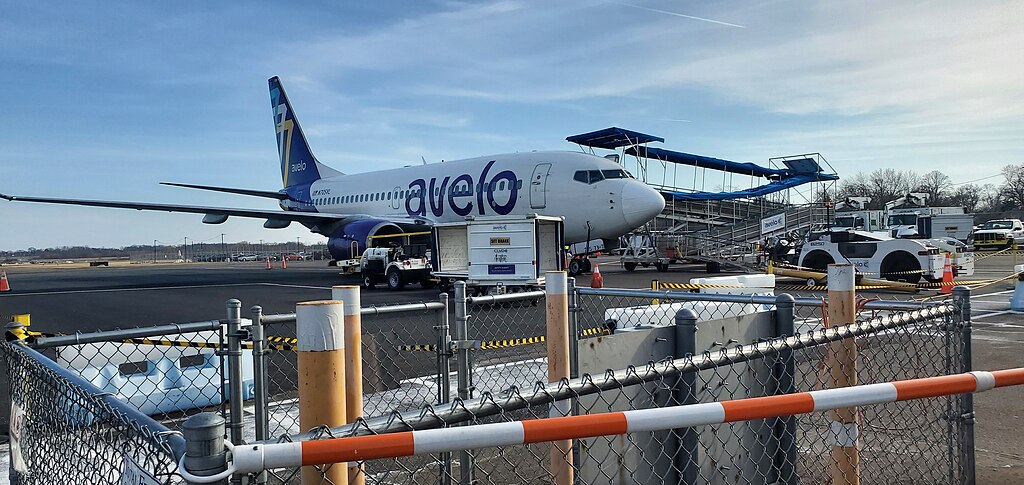
Avelo Airlines, a Texas-based low-cost carrier, announced that it will end its deportation flight operations for the U.S. Department of Homeland Security (DHS) by late January, citing high operational costs and logistical complexity. The airline will also shut down its Mesa, Arizona base on January 27, marking the end of its short-lived charter-only deportation flight program.
The decision represents a major shift for Avelo, which had previously described the DHS contract as “too valuable not to pursue.” Despite early expectations that the agreement would provide stable and predictable revenue, the airline said the program ultimately failed to meet financial and operational expectations.
In a statement, an Avelo spokesperson explained that while the deportation flight initiative delivered short-term benefits, it did not generate enough consistent revenue to offset the complexity and expenses involved. The Mesa base housed three aircraft dedicated exclusively to deportation flights, according to an internal company memo earlier reported by Reuters.
Avelo signed the DHS contract in April of last year to transport migrants to detention facilities both within and outside the United States. The agreement drew criticism and backlash from customers, advocacy groups, and some employees, who opposed the airline’s involvement in deportation operations. Calls for boycotts followed, though Avelo has stated that these actions did not materially impact its core business.
The charter operation was separate from Avelo’s scheduled commercial service, which continues to expand. The airline reported carrying a record 2.6 million passengers in 2025, representing an 11% year-over-year increase. This growth highlights Avelo’s continued focus on its low-cost commercial routes despite the challenges faced by its government charter business.
By exiting the deportation flight program and closing its Arizona base, Avelo appears to be refocusing its strategy on passenger travel and operational simplicity. The move underscores the financial and reputational risks airlines can face when entering specialized government contracts, even when initial revenue projections appear attractive.
As Avelo Airlines looks ahead, the company is expected to concentrate on expanding its commercial network while maintaining cost discipline in a competitive U.S. airline market.







