


 Middle East War Rattles Global Markets as Oil Tops $100 and Dollar Surges
  Asian Currencies Stay Muted as Dollar Holds Firm Amid Iran Uncertainty
  Gold Prices Climb as Middle East Ceasefire Talks Stir Market Optimism
  Trump Tariffs Show Minimal Economic Impact but Boost Federal Revenue, Study Finds
  WTO Reform Talks Begin in Cameroon Amid Global Trade Tensions
  U.S. Stock Futures Steady as Iran Reviews U.S. Ceasefire Proposal
  Bank of Japan Eyes April Rate Hike Despite Inflation Dip, ING Says
  Iran-Israel Missile Strikes Continue Amid Mixed Signals on U.S.-Iran Diplomacy
  Australia's Inflation Eases in February but Core Pressures Persist
  Gold Prices Surge on U.S.-Iran Ceasefire Reports
  Japan Eyes Oil Futures Intervention to Stabilize Yen Amid Middle East Crisis
  Wall Street Slides as Iran War Uncertainty, Oil Surge, and AI Fears Rattle Markets
  Oil Prices Climb as Iran Reviews U.S. Peace Proposal Amid Middle East Tensions
  Asian Stocks Gain Amid Iran Conflict Uncertainty
  Australia-EU Free Trade Deal Signed After Years of Negotiations
  Bank of Japan Officials Signal Continued Interest Rate Hikes Amid Inflation Concerns
  Oil Prices Rebound as Iran Denies U.S. Talks, Middle East Tensions Persist


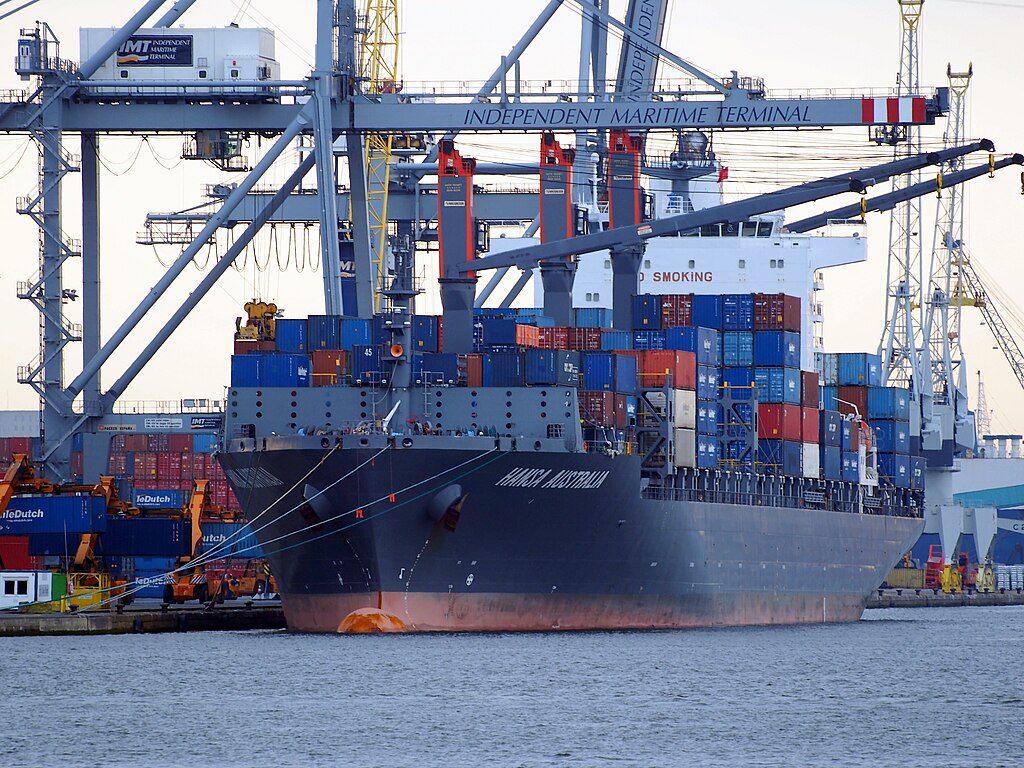
Australia’s trade balance narrowed in December as a surge in imports outpaced sluggish exports, reflecting weak demand from China. The trade surplus fell to A$5.09 billion, down from A$6.56 billion in November, missing expectations of A$6.79 billion, according to data from the Australian Bureau of Statistics.
Exports edged up just 1.1%, a steep decline from November’s 4.8% rise. The slowdown was driven by reduced shipments of metals, machinery, and port products, as demand from China—Australia’s top trading partner—remained weak amid U.S. tariff tensions, fragile domestic sentiment, and a struggling property sector. Beijing’s aggressive stimulus measures, implemented since September, have shown diminishing returns, failing to boost demand significantly.
Meanwhile, imports surged 5.9% month-over-month, accelerating from a 1.7% rise in November. The jump was fueled by higher demand for overseas consumer goods, including textiles, clothing, and footwear, alongside a rise in capital goods imports. Stronger local demand contributed to the widening gap between imports and exports, weighing on Australia’s trade surplus.
With China’s economic struggles persisting, Australia’s export sector faces ongoing headwinds, while increased domestic consumption continues to drive import growth. The latest trade data underscores the challenges ahead for Australia’s economy as global trade conditions remain uncertain.













