


 BOJ Flags Import Costs and Yen Shocks as Persistent Inflation Risks
  Fed Unveils Stablecoin Rules Under GENIUS Act
  BlackRock’s Rick Rieder Favors Bonds Over Stocks as Treasury Yields Surge
  Asian Stocks Fall as Oil Surge, Bond Yields and AI Concerns Hit Markets
  Central Banks Could Buy 20,000 Tonnes of Gold: BofA
  Japanese Yen Retreats as Dollar Rises Ahead of Fed, BOJ Rate Decisions
  U.S. Stock Futures Fall as Iran, Oil and AI Risks Rattle Markets
  U.S. Stock Futures Steady as AI, Rate Concerns Weigh
  Trump Eyes $54 Billion South Korean Investment in Alaska LNG
  ECB May Stop Rate Hikes After December, Capital Economics Says
  Asian Currencies Weaken as Dollar, Oil Prices Rise
  Yen Sinks as BOJ Rate Hike Fails to Impress Markets


 Add as a preferred source on Google
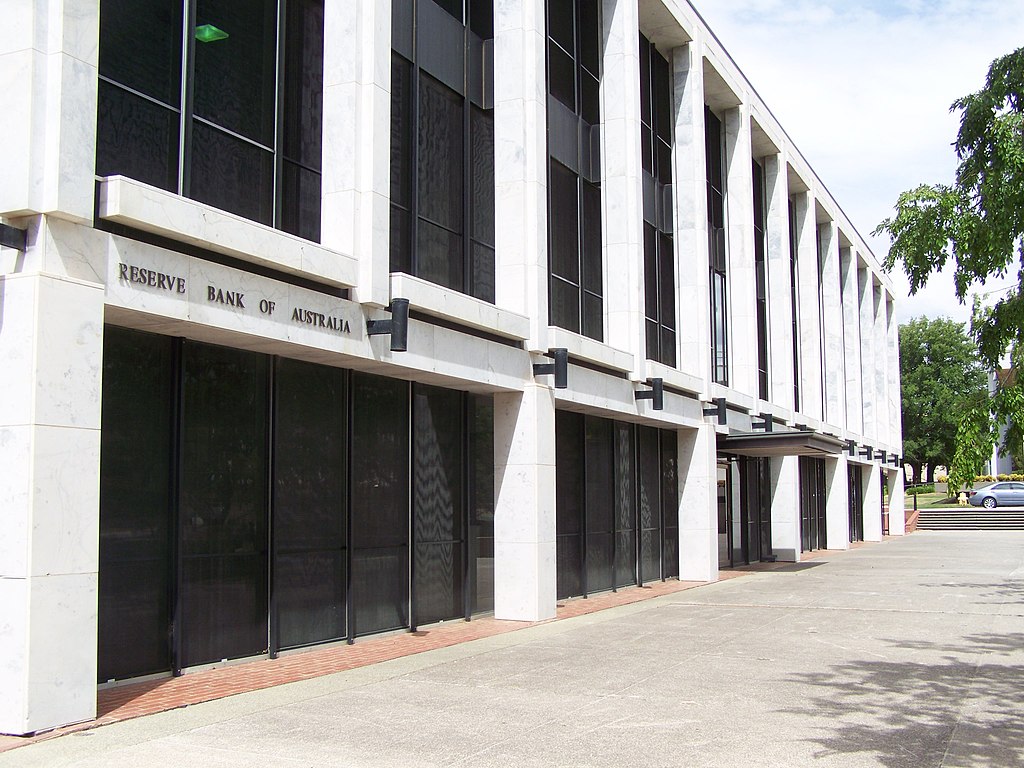
Australia’s central bank is closely monitoring U.S. tariff developments, as global economic uncertainty grows, according to Reserve Bank of Australia (RBA) Deputy Governor Andrew Hauser. Speaking at a Sydney event on Wednesday, Hauser noted that while the full impact of U.S. trade measures on Australia remains unclear, the RBA is paying close attention to the ripple effects these tariffs may have on global and domestic economic conditions.
His comments follow the RBA’s surprise decision on Tuesday to keep interest rates steady at 3.85%, a move that caught markets off guard. The central bank said most board members preferred to wait for more data to confirm whether inflation is on a sustained downward trend before making any changes to monetary policy.
Hauser acknowledged that Australia has not yet experienced a significant decline in business and household sentiment, unlike the more negative outlook seen in the United States and parts of Europe. He emphasized, however, that the current level of global uncertainty—fueled by tariff tensions, inflation volatility, and geopolitical instability—warrants a cautious approach.
The RBA’s stance reflects a broader wait-and-see strategy, as policymakers assess both domestic economic signals and external threats, including the evolving trade landscape shaped by Washington’s tariff actions. Analysts suggest that any significant escalation in U.S. tariffs could weigh on global trade flows, with knock-on effects for export-driven economies like Australia.
With inflation still above target and interest rates already elevated, the central bank is walking a fine line between tightening too much and missing early signs of economic softening. Hauser’s remarks underscore the importance of remaining flexible and data-driven in a time of heightened global risk.







