


 DEEPX Partners with Hyundai to Power Next-Gen AI Robots Ahead of IPO
  CATL Stock Hits Record High After Q1 2025 Earnings Surge
  CSN's Cement Unit Sale Could Exceed $2 Billion as Global Giants Circle
  OpenAI's $20 Billion Cerebras Deal Signals Massive AI Infrastructure Push
  Netflix Q2 Profit Warning Sends Shares Tumbling as Reed Hastings Exits
  Federal Judge Dismisses DOJ Lawsuit Attempting to Block Hawaii's Climate Case Against Oil Giants
  AEVEX Raises $320 Million in IPO Amid Surging Defense Sector Demand
  Uber Bets Big on Autonomous Vehicles with $10 Billion Commitment
  Iran War Drives Asia's Plastic Crisis — and a Green Packaging Boom
  Tesla's Terafab: AI Chip Factory Eyes Taiwan's Semiconductor Talent
  Anthropic Nears $800 Billion Valuation as Investor Confidence Surges
  Federal Agencies Secretly Test Anthropic's AI Despite Trump Administration Ban
  ASML Raises 2026 Revenue Outlook as AI Chip Demand Surges
  NiSource Signs Long-Term Energy Deals with Alphabet and Amazon to Power Indiana Data Centers
  Samsung Races to Deliver Next-Gen HBM4E Memory Samples to Nvidia
  Japan to Subsidize Sony's Image Sensor Plant in Kumamoto with $380 Million
  Amazon in Advanced Talks to Acquire Globalstar in Starlink Rivalry Move


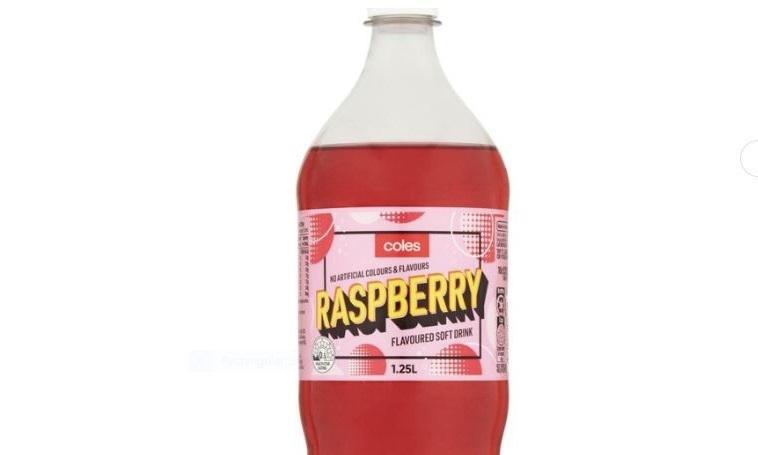
Aussies hoping to get their hands on cheap soft drinks such as Woolworths and Coles at the supermarket have been left in the lurch at the checkout. A nationwide shortage of carbon dioxide stripped supermarket shelves bare of hone-brand drinks.
Nationwide Concerns
Yahoo reported that the shortage has caused a ripple effect, affecting the availability of soft drinks and the brewery and hospitality industry, which relies heavily on carbon dioxide for carbonation and packaging purposes. Businesses are facing unprecedented challenges, with some smaller enterprises struggling to stay afloat as they cannot meet the demand for carbonated beverages.
According to ABC, fizzy drink enthusiasts all over the country have picked up on the significant lack of stock, which has been noticed at both of the nation's major supermarkets due to an ongoing CO2 shortage causing supply chain issues for manufacturers.
Industry Response
Representatives from the beverage industry have been forthcoming about the challenges they face, attributing the CO2 shortage primarily to operational disruptions at crucial production facilities. Companies have adopted various strategies to mitigate the situation, including sourcing carbon dioxide from alternative suppliers at a significantly higher cost.
Despite these efforts, industry leaders warn that consumers may experience fluctuations in product availability and price increases until the supply chain stabilizes. In response to the unsettling shortage, beverage companies and supermarkets have been scrambling to find alternative sources of CO2 and adopt new strategies to minimize the impact on consumers.
Some local producers have turned to innovative technologies that capture carbon emissions from other processes, repurposing them for the carbonation of drinks. Despite these efforts, industry experts warn that prices may see a temporary spike as the supply chain adjusts to these new methods and sources of carbon dioxide.
Consumer Reaction
The widespread CO2 shortage and its impact on fizzy drink availability have elicited mixed reactions from the public. Some consumers expressed disappointment and frustration over the scarcity of their favorite beverages on social media platforms. In contrast, others have shown understanding and support for the industry's attempts to tackle the crisis.
Photo: Coles Website







