


 NASA and SpaceX Target Crew-11 Undocking From ISS Amid Medical Concern
  Is space worth the cost? Accounting experts say its value can’t be found in spreadsheets
  NASA Artemis II: First Crewed Moon Mission Since Apollo Takes Four Astronauts on 10-Day Lunar Journey
  Blue Origin New Glenn Rocket Explodes During Launch Pad Test, Delaying Space Ambitions
  Trump Buys SpaceX Shares After Record IPO
  Meta Agrees to $18 Billion Settlement, Tightens Teen Social Media Rules
  SoftBank Plans Record $6.3 Billion Bond Sale to Fund OpenAI Investments
  Trump Administration Releases New UFO Files and Apollo Mission Records
  Unitree Shares Plunge 45% After Blockbuster IPO, Raising China Tech Bubble Fears
  PayPal Shares Sink as $50 Billion Takeover Bid Collapses
  Blue Origin’s New Glenn Achieves Breakthrough Success With First NASA Mission
  BofA Names ASML Top Semiconductor Equipment Pick on Growth, Valuation
  Tabletop particle accelerator could transform medicine and materials science
  Neuralink Plans High-Volume Brain Implant Production and Fully Automated Surgery by 2026


 Add as a preferred source on Google
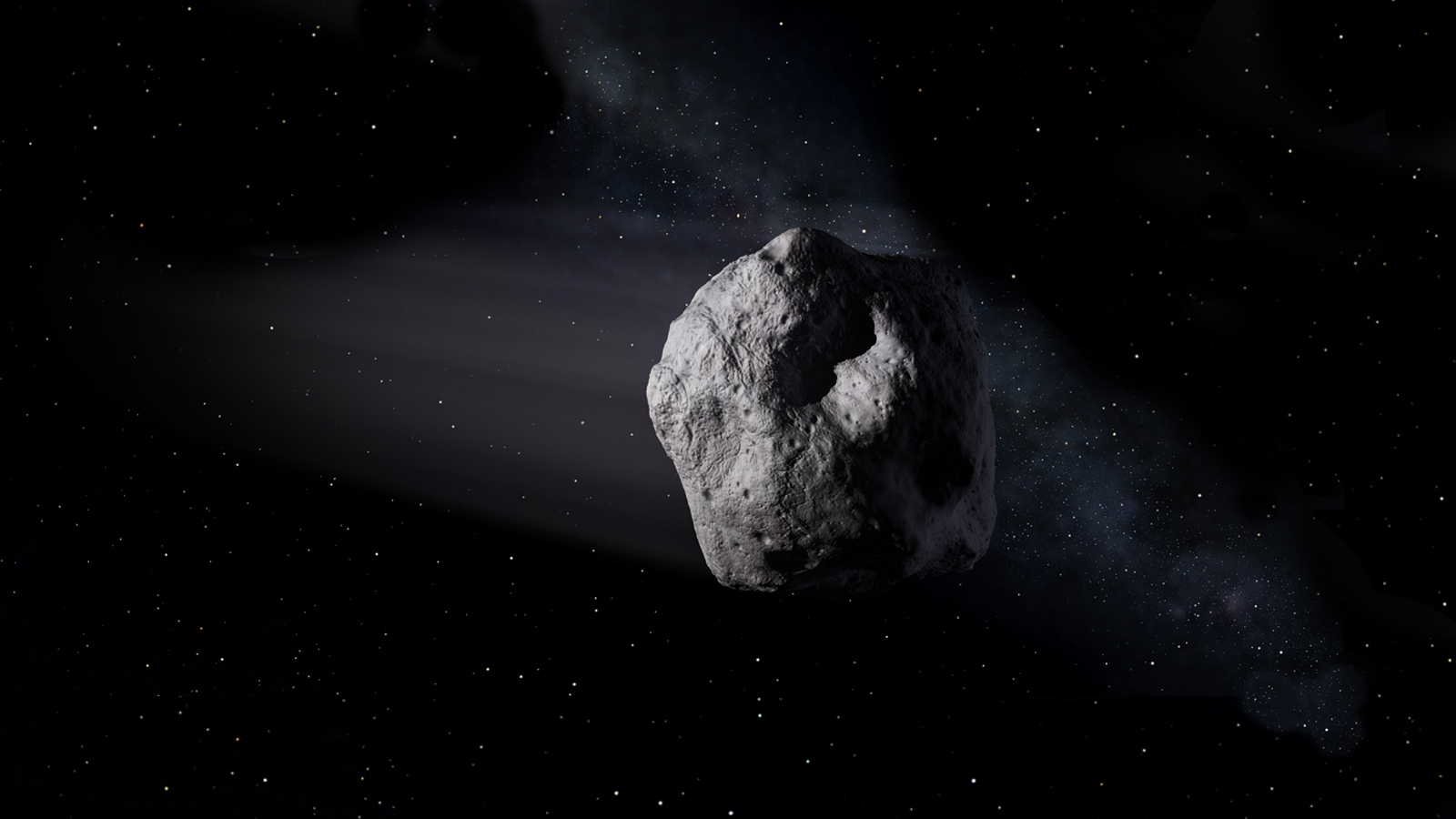
Scientists have discovered that there is an asteroid heading towards Earth, well, the general direction of the planet. It’s expected to miss by a considerable margin, but the distance is close enough for NASA to actually test its planetary defense system. The fly-by is a rare opportunity to see if the planet really is prepared to deal with incoming space debris with Armageddon-causing capabilities.
Called the 2012 TC4, the asteroid is about the size of a house and is expected to whiz by the earth 4,200 miles away, Space reports. That may seem far, but it’s still considered a near miss and is expected to occur on October 12th.
This event presents astronomers with the chance to not only track the asteroid’s movement but to also make a few calculations that could be of enormous help in the future. The person to lead the tracking project is University of Arizona’s Professor Vishnu Reddy and in a NASA press release, explains what is involved.
"This is a team effort that involves more than a dozen observatories, universities and labs across the globe so we can collectively learn the strengths and limitations of our near-Earth object observation capabilities," Reddy said. "This effort will exercise the entire system, to include the initial and follow-up observations, precise orbit determination and international communications."
More than simply NASA, the project will also involve multiple scientists from other countries via the recently established Planetary Defense Coordination Office (PDCO). The group was made official only last year, Futurism reports, and this is its first opportunity to have an actual space rock as a subject for observation.
For those who are still worried, even if the asteroid does impact the Earth, the damage is likely to be minimal thanks to its relatively small size. With the huge amount of unoccupied space on the planet’s surface, it might even land somewhere where no one will get hurt.







