


 Barclays Q2 Profit Beats Forecasts as Investment Banking Strength Offsets Higher Costs
  GSK Unveils $2.52 Billion Cost-Cutting Plan to Accelerate Drug Pipeline
  Exosens H1 Profit Beats Forecasts as Defense Demand Drives Growth
  Nvidia Invests $1 Billion in Naver as South Korea AI Data Center Expansion Gains Momentum
  CXMT IPO Debut in Shanghai Puts $85.5 Billion Chipmaker in Spotlight
  Seagate Stock Jumps as AI-Fueled Earnings Beat and Strong FY2027 Outlook Impress Investors
  Meta CEO Zuckerberg Opposes U.S. Ban on Chinese AI Models, Warns Against Overregulation
  TeamViewer Shares Fall Despite Profit Growth as ARR and Customer Base Decline
  Stellantis Sells Free2move Car-Sharing Business to Mutares to Strengthen Core Auto Strategy
  Nvidia Eyes $250B Guarantee for OpenAI’s Massive Ohio AI Data Center Project
  Johnson & Johnson Proposes $5.5 Billion Talc Settlement to Resolve U.S. Ovarian Cancer Lawsuits
  Tech Stock Positioning Nears Neutral as Investor Rotation Enters Final Phase, Deutsche Bank Says
  Sika Raises 2026 Sales Outlook After Strong First-Half Results Beat Expectations
  Galp Shares Fall After Q2 EBITDA Miss Despite Profit Beat and Higher Dividend
  Standard Chartered Beats Profit Forecasts as First-Half Earnings Rise 9%
  X Challenges Australia’s Expanded Social Media Ban Enforcement Powers
  AstraZeneca Q2 Earnings Beat Forecasts as Oncology Growth Supports 2026 Outlook


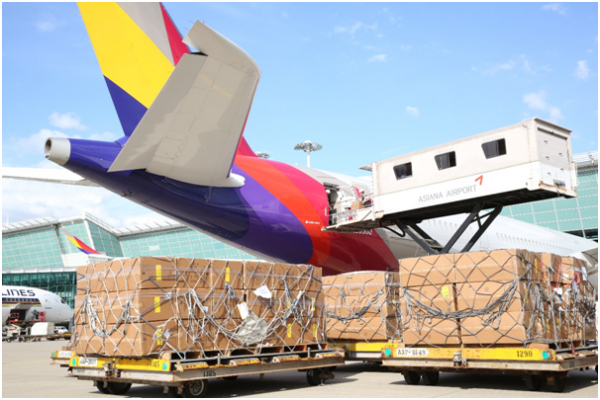
Asiana Airlines Inc. has converted two more A350-900 passenger jets into cargo planes to meet cargo-transporting demands in Asia, Europe, and the US while offsetting a pandemic-triggered decline in air travel demand.
According to South Korea's second-biggest carrier, it is focusing on winning more air cargo deals to survive the effects of the pandemic.
Asiana already converted two A350-900s and two B777-200ERs into cargo planes last year.
Airlines worldwide are now utilizing former passenger planes for cargo flights, either by removing seats or using cargo seat bags.
Demand for cargo services has jumped since last year amid strict passenger entry restrictions.
Asiana narrowed its net losses from 817.89 billion won in 2019 to 404.51 billion won last year by focusing on winning cargo deals, having employees take unpaid leaves, streamlined overseas operations.







