


 Gold Prices Hold Firm as Iran Tensions and Dollar Swings Drive Safe-Haven Demand
  Asian Currencies Slip as US Dollar Gains on Rising Iran Tensions and Awaited Jobs Data
  Saudi Aramco Q1 Profit Jumps 25% as Strait of Hormuz Crisis Reshapes Oil Exports
  European Stocks Edge Higher as Iran-U.S. Peace Talks Boost Market Sentiment
  Wall Street Futures Edge Higher as Iran Tensions and AI Optimism Shape Markets
  U.S.-China Beef Trade Deal Hopes Rise Ahead of Trump-Xi Summit
  Dollar Struggles to Rally Despite Strong US Data as Fed Hike Expectations Remain Limited
  US Trade Court Blocks Trump’s 10% Global Tariffs
  Trump Signals Possible U.S.-Iran Peace Deal as Markets Rally on Hopes of War Ending
  Trump-Xi Meeting 2026: U.S.-China Trade Tensions Escalate Ahead of Beijing Summit
  US-Iran Ceasefire Under Pressure as Fresh Strait of Hormuz Clashes Shake Oil Markets
  China Export Growth Surges in April as Global Buyers Rush to Secure Supplies
  China-Made Fireworks Power U.S. Independence Day Celebrations Amid Trade Truce
  Asian Stocks Rally as Japan’s Nikkei Hits Record High on U.S.-Iran Peace Optimism
  Gold Prices Rise as Weaker Dollar and U.S.-Iran Peace Hopes Boost Demand
  Oil Prices Surge as U.S.-Iran Conflict Threatens Strait of Hormuz Supply Route
  Asian Stocks Slide as Iran Tensions Escalate Despite Strong Weekly Gains


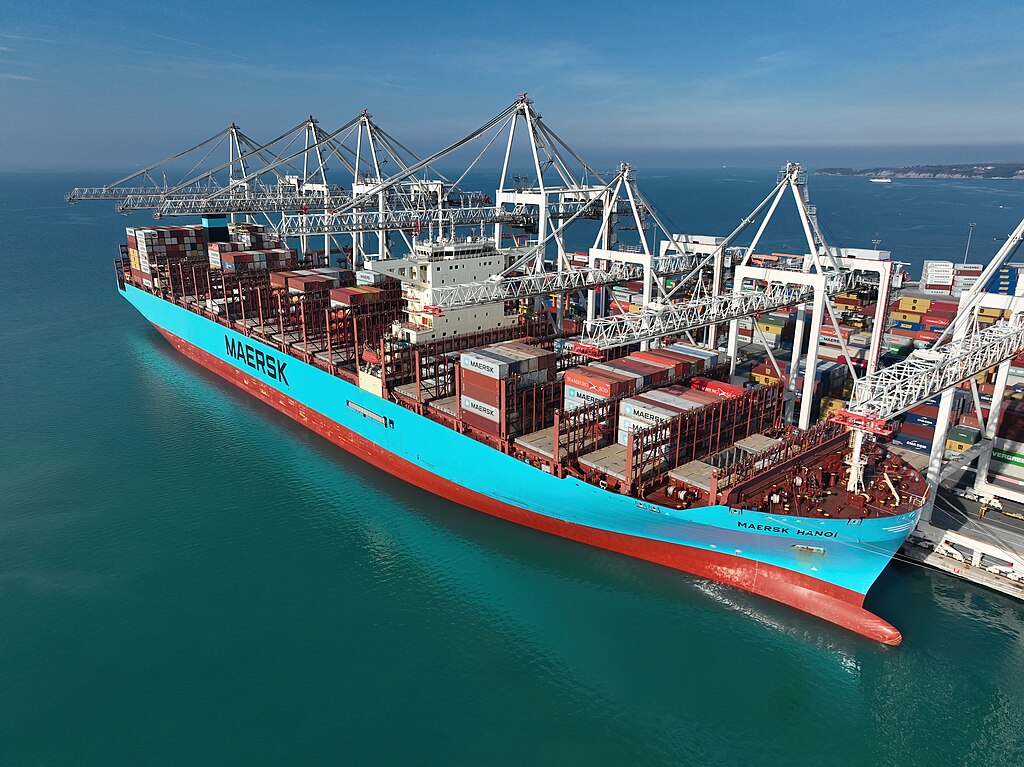
Argentina has reinstated export taxes on grains, their by-products, beef, and poultry after quickly reaching a $7 billion export sales cap, according to the country’s ARCA fiscal agency. The government had temporarily suspended these levies earlier this week in an effort to accelerate international sales and boost much-needed U.S. dollar inflows to stabilize the struggling peso currency.
On Monday, a decree paused export taxes on soybeans, corn, wheat, biodiesel, and other agricultural products. The suspension was initially set to run until the end of October or until declared exports totaled $7 billion. However, the target was met in just two days, forcing authorities to reimpose the tariffs sooner than anticipated.
Argentina is one of the world’s largest suppliers of soy, corn, and wheat, and the agricultural sector remains the backbone of its economy, providing crucial foreign exchange earnings. The temporary suspension of export taxes was widely seen as a bold move to incentivize faster shipments and support the country’s fragile economic outlook. But the speed at which exporters took advantage of the measure highlights both the strong international demand for Argentine commodities and the domestic urgency to secure foreign reserves.
The government faces a delicate balancing act: generating hard currency to protect its currency reserves while also addressing fiscal needs through taxation. Reinstating the taxes ensures continued revenue, but it may also slow the momentum of export sales just as Argentina seeks to strengthen its economic position on the global stage.
For international buyers, Argentina’s policy shift underscores the volatility surrounding one of the world’s key agricultural exporters. With global markets already sensitive to supply fluctuations, the quick reversal of tax policy could influence pricing and trade flows for soy, corn, wheat, beef, and poultry in the months ahead.







