


 SoftBank Eyes $20 Billion Bond Sale to Refinance OpenAI Loan
  MediaTek Shares Jump 10% on Nvidia’s $3.5 Billion Investment
  Nvidia Revenue Soars 106% as AI Demand Hits ‘Inflection Point’
  Nvidia Pauses AI Cloud Financing Deals Amid Antitrust Concerns
  Xiaomi Unveils Xring O3 Chip for Flagship Foldable Phone
  Apple’s Phil Schiller Steps Back as Leadership Shake-Up Accelerates
  Google Changes EU Spam Policy Amid Antitrust Scrutiny
  SK Hynix Shares Fall as Workers Reject Wage Deal
  Salesforce Shares Surge as AI Demand Powers Q2 Earnings Beat
  Faraday Future Delivers First Robots in Middle East, Plans September Launches
  Unitree Shares Plunge 45% After Blockbuster IPO, Raising China Tech Bubble Fears
  U.S. Probes Apex Logistics Over Nvidia AI Chip Shipments to China
  HP Stock Drops 9% Despite Q3 Earnings Beat and Raised 2026 Outlook
  U.S. Disrupts China-Linked Hacking Campaign Targeting Government Agencies
  OpenAI Rejects Apple Trade Secret Theft Claims
  SpaceX Mobile Network Could Cost Up to $130 Billion, Bernstein Says


 Add as a preferred source on Google
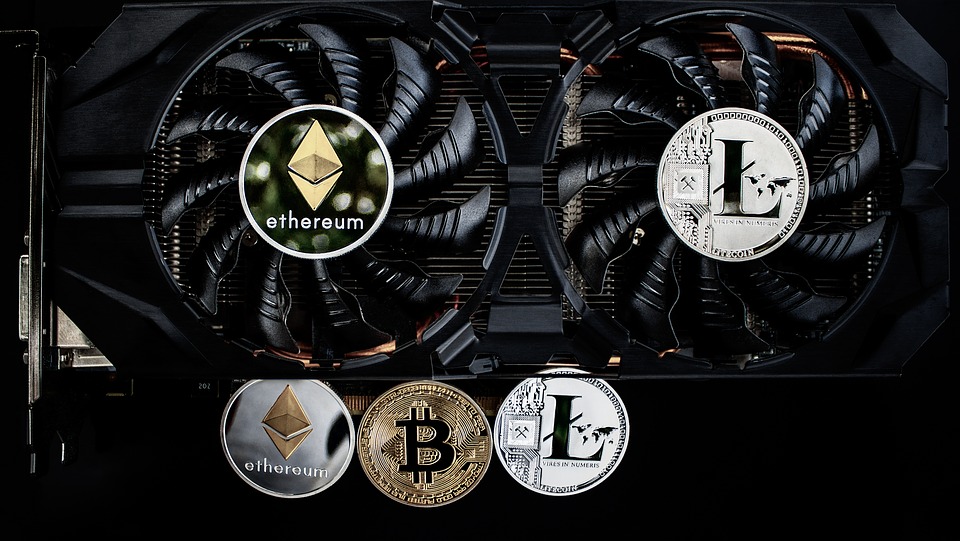
Concerns over battery drain have caused Apple to ban the practice of mining cryptocurrencies using their iPhones. The Cupertino firm recently updated its guidelines with explicit wordings that made the ban quite clear. On that note, this seems to be more of a preventive measure than anything else.
As CNBC points out, the likelihood of someone using their iPhone to successfully mine for cryptocurrencies is quite low. The practice requires substantial memory and processing power. This usually means entire PC rigs equipped with high-end Intel CPUs and GPUs from companies like AMD or NVidia.
What Apple may be doing, however, is sending a message to any crypto mining developers who might have future plans for mobile devices. Less intensive mining work can theoretically be assigned to phones. Unfortunately, even the lightest of these activities can still cause substantial strain on mobile resources.
In the new guidelines that Apple revised, the company will still allow cryptocurrencies to be transferred using its devices. However, it will not allow developers to run additional processes in the background that could eat up processing power. This just happens to include crypto mining.
“Design your app to use power efficiently. Apps should not rapidly drain battery, generate excessive heat, or put unnecessary strain on device resources. Apps, including any third party advertisements displayed within them, may not run unrelated background processes, such as cryptocurrency mining,” the new guideline reads.
Unintended crypto mining has been a problem for months now, Ars Technica reports. Websites and internet users have been coping with ads that are seemingly harmless but would hijack a person’s PC in order to mine for cryptocurrencies.
Apple is simply trying to get ahead of a future problem that has a high probability of becoming a real issue. The processing chip of an iPhone is simply not designed for such strenuous work.







