


 Gold Prices Climb as Middle East Ceasefire Talks Stir Market Optimism
  Currency Markets Show Caution Amid U.S.-Iran Negotiations
  Asian Stocks Gain Amid Iran Conflict Uncertainty
  Oil Prices Climb as Iran Reviews U.S. Peace Proposal Amid Middle East Tensions
  Iran-Israel Missile Strikes Continue Amid Mixed Signals on U.S.-Iran Diplomacy
  U.S. Oil Prices Slide as Middle East Ceasefire Talks Spark Market Optimism
  U.S. Stock Futures Steady as Iran Reviews U.S. Ceasefire Proposal
  Gold Prices Surge on U.S.-Iran Ceasefire Reports
  Wall Street Slides as Iran War Uncertainty, Oil Surge, and AI Fears Rattle Markets
  Trump Tariffs Show Minimal Economic Impact but Boost Federal Revenue, Study Finds
  ECB Eyes Rate Hike Amid Iran Conflict-Driven Energy Price Surge
  UK Consumer Confidence Weakens Amid Middle East Conflict and Rising Living Costs
  Oil Prices Rebound as Iran Denies U.S. Talks Amid Gulf War Supply Fears
  Oil Prices Plunge Over 6% as Middle East Ceasefire Hopes Ease Supply Fears
  WTO Reform Talks Begin in Cameroon Amid Global Trade Tensions
  Bank of Japan Unveils New Inflation Gauge to Support Case for Future Rate Hikes


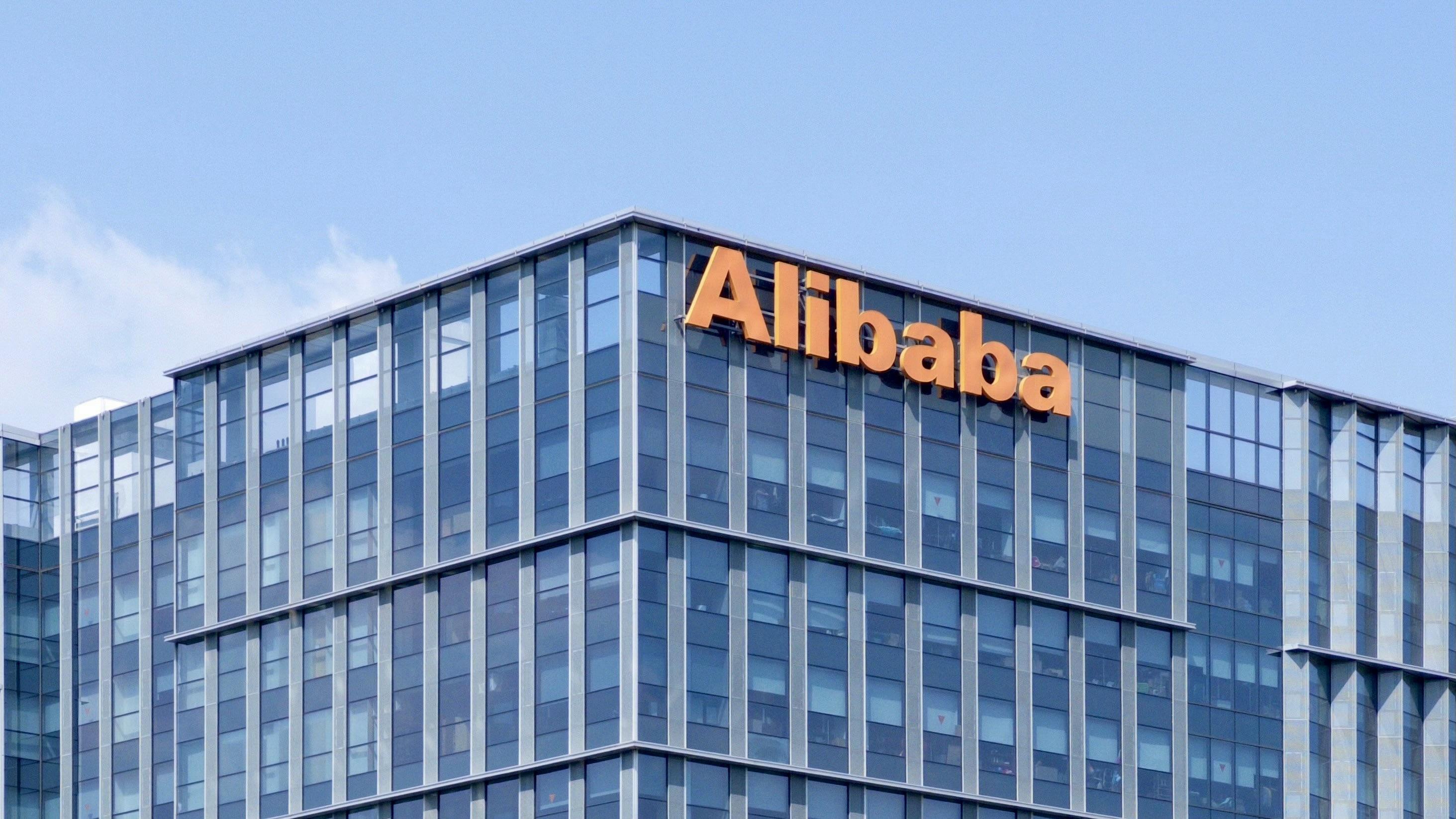
In a $4 billion agreement, Alibaba Group and E-Mart are merging their South Korean e-commerce platforms, forming a joint venture to take full ownership of Gmarket. The deal positions the companies to compete with top players like Naver and Coupang in South Korea’s online retail sector.
Alibaba Strengthens South Korean E-Commerce Efforts
In order to fortify its position in the fiercely competitive online retail scene of South Korea, Alibaba Group Holding is planning to combine its operations there with E-Mart's e-commerce platform.
According to an exchange filing by E-Mart, which confirms prior claims by Bloomberg News, AliExpress International and Gmarket would establish a joint venture, with each company having a 50% ownership. The two companies want to pour more money into the partnership, which will eventually buy Gmarket outright.
The new partnership may be worth around $4 billion, according to Bloomberg.
Market valuation for E-Mart reached $1.4 billion as a result of a 5.5% increase in Seoul-based shares following the news. In Hong Kong, Alibaba's stock price increased by 2.6%.
Aiming to Compete with Naver and Coupang
The two companies have joined forces to better compete with major domestic firms like Naver Corp. and Coupang LLC.
With growth slowing in its main Chinese e-commerce market, Alibaba is stepping up its efforts to expand worldwide. The company's cloud segment and overseas operations, such as Lazada and AliExpress, helped to compensate for the poor performance of the domestic e-commerce business in the September quarter.
Alibaba is facing challenges in the e-commerce industry because of the increasing rivalry from new entrants such as ByteDance and PDD Holdings Inc DRC.
Streamlining Operations and Shedding Non-Core Assets
In response, the company's co-founder and current CEO, Eddie Wu, has been focusing on streamlining core operations and investing in areas with the most potential for growth for over a year, Investing.com shares.
In a drive to simplify its company by removing non-core assets, Alibaba agreed last week to sell its Intime department store operation to Youngor Fashion Co. for approximately $1 billion. The initial investment in Intime was 9.3 billion yuan ($1.3 billion), and the e-commerce behemoth anticipates a loss of that amount.







