


 Dominican Republic Halts GoldQuest Mining Project Amid Environmental Protests
  Rubio Approves $25.8 Billion Weapons Sale to Middle East Allies
  Brazil Pension Fund Crackdown After Banco Master Collapse Raises Investment Concerns
  US Adds European Union to Section 301 Watchlist Amid Trade Concerns
  Ghana Rejects U.S. Health Deal Over Data Sharing Concerns Amid Foreign Aid Shift
  Trump Administration Dismisses Entire National Science Board, Sparking Debate Over Scientific Independence
  US Sanctions Target Iran’s Shadow Banking Network and Terror Financing
  FEMA Reinstates Employees After Dissent Letter, Signaling Shift in Workforce Stability
  US House Advances $70 Billion Immigration Enforcement Budget Plan
  US Trade Court Blocks Trump’s 10% Global Tariffs
  Google Secures Pentagon AI Deal for Classified Projects
  Russian LNG Shadow Fleet Expands Amid Arctic LNG 2 Sanctions
  New York Moves to Ban Masked Law Enforcement During Immigration Operations
  Japan’s Yen Intervention and BOJ Rate Hike Bets Support Currency Recovery
  Trump Signals Possible U.S.-Iran Peace Deal as Markets Rally on Hopes of War Ending
  Australia Targets Meta, Google, and TikTok With New News Payment Tax Proposal
  Asian Currencies Slip as US Dollar Gains on Rising Iran Tensions and Awaited Jobs Data


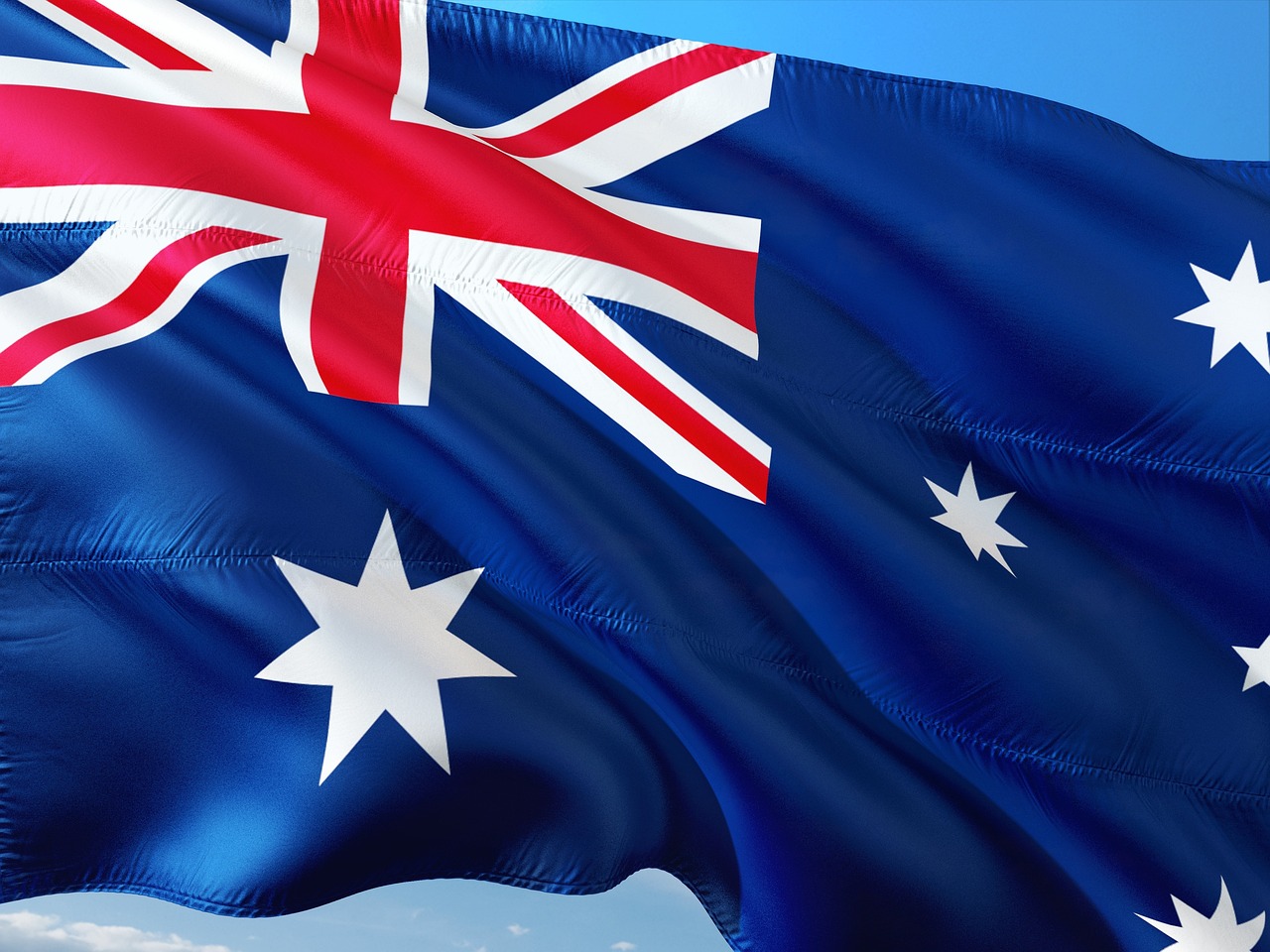
Australia’s corporate regulator, the Australian Securities and Investments Commission (ASIC), has called on the government and stock exchange operators to introduce more flexible disclosure and governance frameworks to encourage smaller companies to list on public markets.
In a recent report, ASIC said Australia’s public markets face structural challenges as more firms turn to private capital to meet funding needs. To strengthen the nation’s capital markets and keep them globally competitive, ASIC proposed easing certain listing requirements.
The regulator expressed support for lowering the minimum free float for listed companies to around 15%, down from the current 20–25%. This adjustment would align Australia’s rules with international markets such as the U.S. and the U.K., which have a 10% minimum. ASIC also endorsed proposals to reduce the market capitalization threshold for foreign firms listing in Australia from A$2 billion to A$500 million (approximately $325 million).
ASIC Chairman Joe Longo emphasized the importance of keeping public markets vibrant, noting, “We do want to encourage growth in public markets… I don’t think anyone really thinks it’s a good idea that they wither.”
The commission also said it would consider easing rules requiring financial forecasts in prospectuses, a move that could make it easier for small and mid-sized enterprises to go public. This would be particularly beneficial for Australia’s strong mining, biotech, and start-up sectors, which account for a significant portion of listings on the ASX.
While new listings have totaled about $2 billion in 2025—the highest in four years—it remains far below the $8.5 billion peak in 2021. ASIC reaffirmed its support for increased competition in capital markets, expressing confidence that CBOE Global Markets, despite selling its Australian business, would remain a key player under new ownership.







