


 BofA Names ASML Top Semiconductor Equipment Pick on Growth, Valuation
  Nvidia Pauses AI Cloud Financing Deals Amid Antitrust Concerns
  Pinterest Stock Falls as CFO Julia Brau Donnelly Resigns
  Google Changes EU Spam Policy Amid Antitrust Scrutiny
  OpenAI Data Center Chief Chris Malone Exits Ahead of Planned 2027 Listing
  SoftBank Eyes $20 Billion Bond Sale to Refinance OpenAI Loan
  U.S. Probes Apex Logistics Over Nvidia AI Chip Shipments to China
  Countries Tighten Social Media Bans for Children
  Nvidia Revenue Soars 106% as AI Demand Hits ‘Inflection Point’
  Nvidia Reportedly Eyes $13 Billion Hugging Face Acquisition
  Meta Agrees to $18 Billion Settlement, Tightens Teen Social Media Rules
  Luxshare Shares Rise as First-Half Profit Jumps 18%
  HP Stock Drops 9% Despite Q3 Earnings Beat and Raised 2026 Outlook
  New Zealand Moves to Ban Social Media for Children Under 16
  Unitree Shares Plunge 45% After Blockbuster IPO, Raising China Tech Bubble Fears


 Add as a preferred source on Google
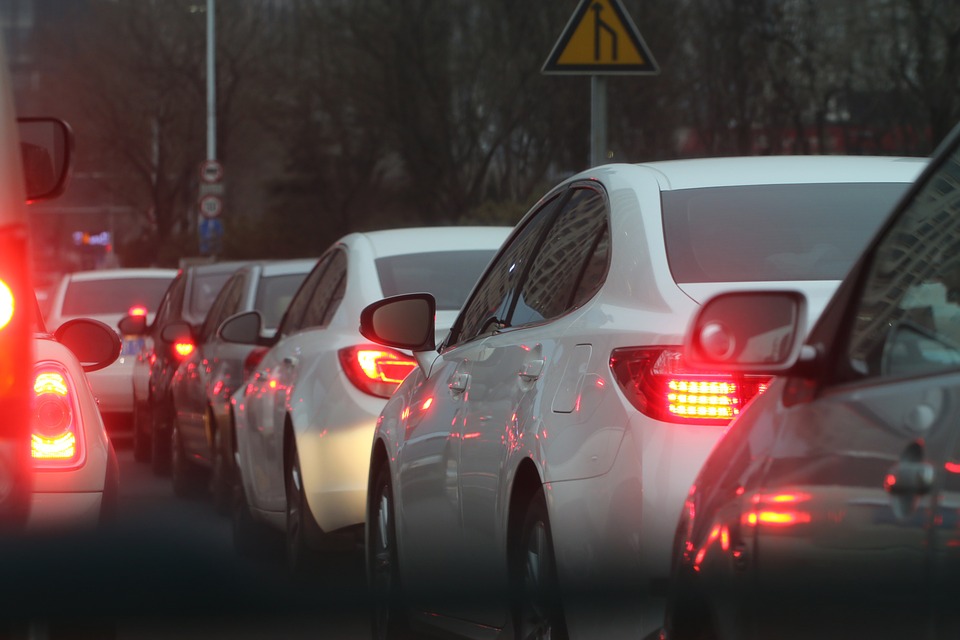
Traffic jams are among the worst things about the modern world that practically everyone can agree on. No one wants to be stuck in a car for hours on end with a slow-moving line ahead. While there are several solutions proposed to solve this problem, they are all far in the future. An exception is an artificial intelligence created to optimize traffic flow, but it requires humans to give up their freedom to choose.
Nobody panic. The AI will not be implanting chips in everyone’s brains. The algorithm that researchers from Singapore’s Nanyang Technological University will simply provide drivers with the most optimal routes to follow in order to make traffic flow as smooth as possible, Motherboard reports. It’s almost like using Waze, but with significantly more processing power.
The AI was developed by taking several factors into consideration, with a significant emphasis on what the research paper calls “spontaneous traffic jam occurrences.” These are basically those moments when drivers become too greedy or too hasty, and they decide to merge unwisely, thus getting everyone stuck in that position.
What the researchers developed is also applicable to real-time traffic events and is supposed to be the most powerful of its kind. They’ve already stacked it against other algorithms that offer similar functionality.
“Moreover, our approach always maintains a feasible route guidance solution during the computation process, which is applicable to scenarios with real-time decision-making requirements, i.e., the reaction time must be within seconds,” the paper reads.
As to how it works, drivers will basically just need to follow the route that the AI gives them, which will work in concert with other drivers who have the algorithm on board. This will then result in a significantly reduced traffic congestion rate.
The best part about this new development is that only 10 percent of drivers on the road really need to install the algorithm for it to work, Futurism reports. By doing so, drivers might not have to wait for decades before Elon Musk establishes the Hyperloop, bores tunnels under cities, or for self-driving cars to reach optimum numbers.







