


 Meta, U.S. States Discuss Settlement in Teen Addiction Trial
  OpenAI Data Center Chief Chris Malone Exits Ahead of Planned 2027 Listing
  BofA Names ASML Top Semiconductor Equipment Pick on Growth, Valuation
  SoftBank Eyes $20 Billion Bond Sale to Refinance OpenAI Loan
  Faraday Future Delivers First Robots in Middle East, Plans September Launches
  SpaceX Mobile Network Could Cost Up to $130 Billion, Bernstein Says
  PayPal Shares Sink as $50 Billion Takeover Bid Collapses
  Nvidia Pauses AI Cloud Financing Deals Amid Antitrust Concerns
  Trump Buys SpaceX Shares After Record IPO
  New Zealand Labour Backs Social Media Ban for Under-16s
  Pinterest Stock Falls as CFO Julia Brau Donnelly Resigns
  Google Expands Gemini Enterprise With AI Tools for Legal Sector
  HP Stock Drops 9% Despite Q3 Earnings Beat and Raised 2026 Outlook
  SK Hynix Shares Fall as Workers Reject Wage Deal
  Nvidia Revenue Soars 106% as AI Demand Hits ‘Inflection Point’
  MediaTek Shares Jump 10% on Nvidia’s $3.5 Billion Investment


 Add as a preferred source on Google
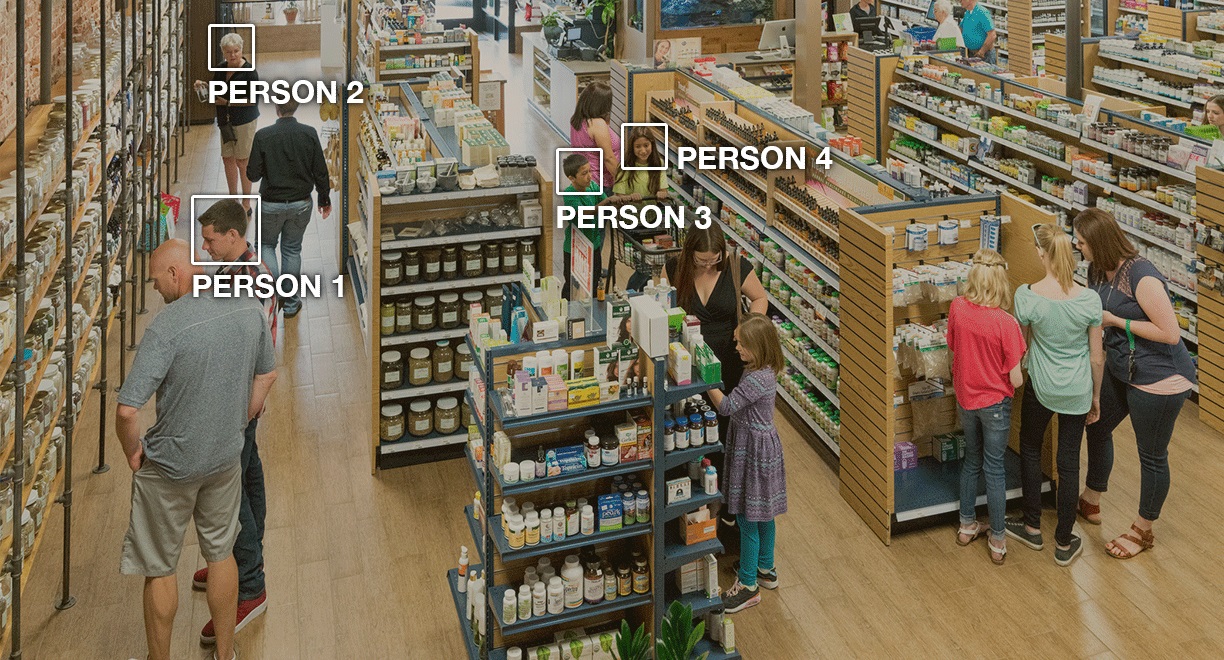
The American Civil Liberties Union or ACLU issued a statement to condemn Amazon’s selling of their facial recognition technology, called Rekognition, to law enforcement agencies.
ACLU raised concerns over Rekognition — which they described as “powerful and dangerous” — and how it is being utilized by law enforcement agencies in several states.
Amazon announced various improvements to the AI-powered Rekognition in 2017 that included “real-time face recognition across tens of millions of faces,” machine-reading of texts in images, identifying people’s faces even when they are mixed in a huge crowd, and more.
Today, Amazon lists 26 Rekognition customers including the City of Orlando Police Department and the Sheriff’s Office of Washington County, Oregon. ACLU released their requested public documents regarding the use of Rekognition and learned that these agencies have established partnerships with Amazon in 2017.
Since then, the Washington County has put up a mugshot database containing photos of at least 300,000 individuals. This database was found being used with a mobile app to immediately scan and find a match against “images obtained from surveillance or other sources.”
Meanwhile, in Orlando, Amazon has also been vocal about the advancements of Rekognition and how it is now simultaneously operating with real-time feeds from surveillance cameras installed across the city.
There also appears to be a perpetual partnership between Amazon and these agencies. In one of the published email exchanges between the company and Washington County, it was revealed that they have discussed the prospects of incorporating Rekognition into police body cameras in the future. Note though that someone from the Washington County did remind Amazon that this mechanism is still unlawful in Oregon.
After these findings, ACLU cited several concerns on how this technology may be abused by those in power. The civil rights group argued that the likes of Rekognition, in the hands of law enforcement, have the potential to become a tool in identifying individuals participating in protests. ACLU also presented a possibility where the U.S. Immigration and Customs Enforcement (ICE) might use Rekognition to place immigrants under constant surveillance.
On the other hand, Washington County public information officer, Deputy Jeff Talbot, responded (via The Washington Post) to the ACLU report and maintained that their use of Rekognition “is not mass surveillance or untargeted surveillance.”
Meanwhile, Amazon spokesperson Nina Lindsey only commented through the same publication by saying they require customers to “comply with the law and be responsible.” And when they are found doing otherwise, the company will “suspend that customer’s right to use our services.”







