


 Senate Sets December 8 Vote on Trump’s NASA Nominee Jared Isaacman
  China vs. NASA: The New Moon Race and What's at Stake by 2030
  Blue Origin’s New Glenn Achieves Breakthrough Success With First NASA Mission
  Blue Origin New Glenn Explosion Could Delay Launch Operations Until 2028
  Trump Administration to Launch Autism Initiatives Targeting Acetaminophen Use and New Treatment Options
  Trump Signs Executive Order to Boost AI Research in Childhood Cancer
  Tabletop particle accelerator could transform medicine and materials science
  Eli Lilly’s Inluriyo Gains FDA Approval for Advanced Breast Cancer Treatment
  Is space worth the cost? Accounting experts say its value can’t be found in spreadsheets
  FDA Pilot Program Eases Rules for Nicotine Pouch Makers
  SpaceX’s Starship Completes 11th Test Flight, Paving Way for Moon and Mars Missions
  SpaceX Prioritizes Moon Mission Before Mars as Starship Development Accelerates
  Trump Administration Releases New UFO Files and Apollo Mission Records


 Add as a preferred source on Google
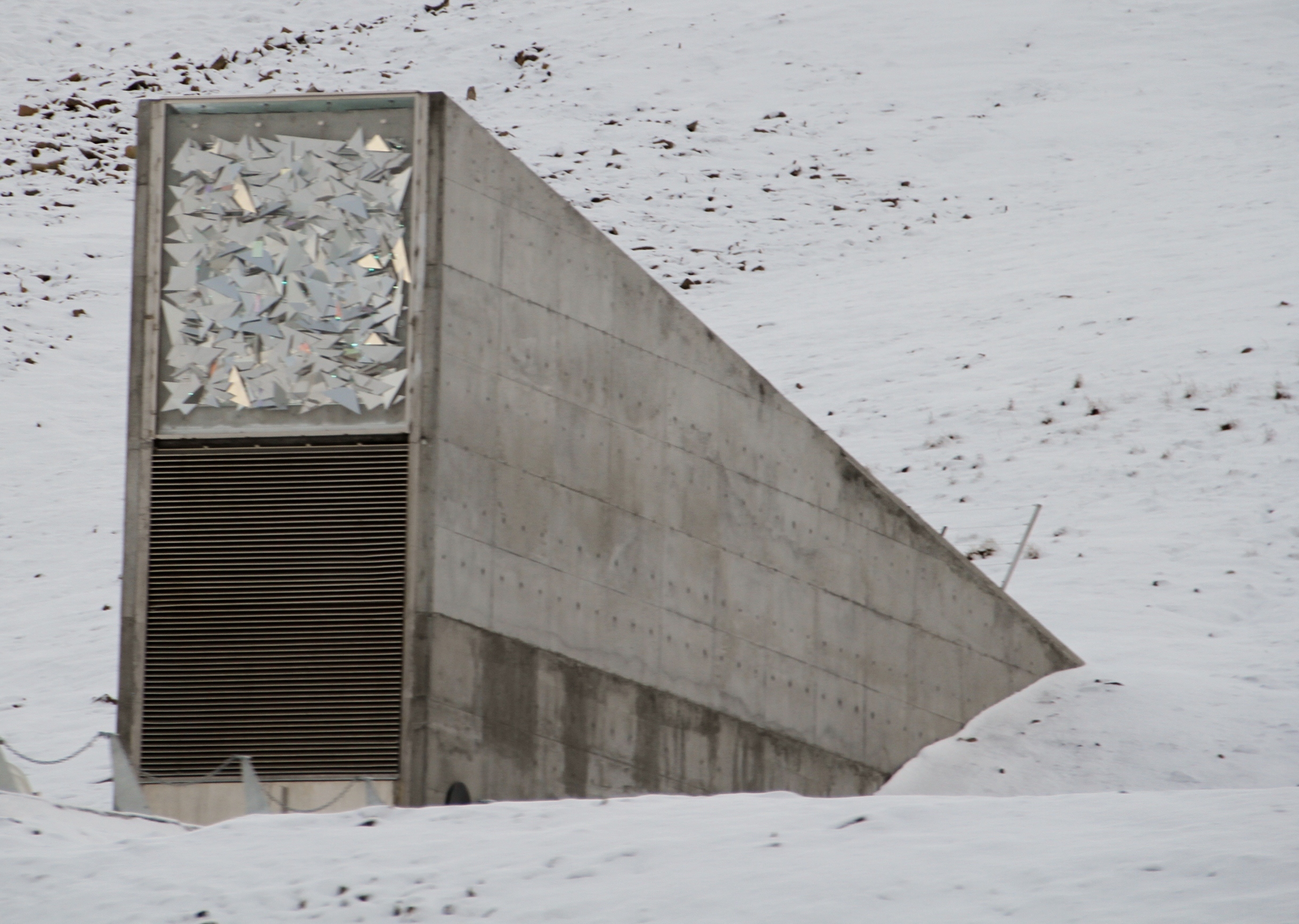
Norway’s Svalbard Global Seed Vault or the Doomsday vault, as it is more commonly known, is home to countless species of plants and crops. The facility is meant to house and protect these seeds so that in the event of a nuclear war or a natural calamity that leads to the apocalypse, there is a chance to regrow the food that was lost. Recently, 50,000 new seed samples that were collected from all over the world were placed in the vault for safekeeping.
There are other seed deposits all over, but the one in Norway is the most significant and is the best protected. This is meant to ensure that if all the other seed deposits were lost, the underground facility that is buried under permafrost for better preservation will get the job done, Phys.org reports.
Aside from the fact that there are now more seeds that will be preserved, many of the seeds sent are also a result of reconstitution. These are seeds that will be perfect for planting in dry, hot regions, which may make them necessary for when the world gets a little too hot for more delicate samples.
As the head of the International Center for Agricultural Research, Aly Abousabaa said on Thursday, what they were able to achieve with the reconstituted seeds that they then stored puts them one step closer to being able to "find solutions to pressing regional and global challenges." The researchers who reconstituted the seeds even had to borrow them from other seed banks.
The vault itself is the brainchild of Cary Fowler, which sees the vault as something of a safety deposit box, Futurism reports. While it can certainly function as a means of populating the world with plants and other botanical organisms in the case of a major catastrophe, plants species die off all the time. The vault can help out with bringing them back as well.







