


 US Strikes Iran Again After Strait of Hormuz Tanker Attack Escalates Ceasefire Tensions
  Russian Attacks on Dnipro, Zaporizhzhia, and Kharkiv Kill 10 as Ukraine Vows Response
  Sheinbaum Says No One Is Above the Law After Abuse Video of Ex-Pemex Chief Emerges
  Andy Burnham Sets Out Vision to Decentralize Britain as Labour Leadership Race Begins
  Russia Intensifies Assault on Kostiantynivka as Ukraine’s Donetsk Defense Faces Mounting Pressure
  Australia, Vanuatu Sign Security Pact Amid Pacific Influence Competition
  Serbia Protests Continue as Thousands Rally Despite Vucic’s Resignation Plan
  Trump Announces September Overhaul of Washington’s East Potomac Golf Links
  Ukraine Strikes Russian Titan-Barrikady Plant With Long-Range FP-5 Flamingo Missile
  Despite its best efforts, Iran won’t be able to toll the Strait of Hormuz. Here’s why
  Iran Skips U.S. Technical Talks Over Unmet MoU Conditions and Frozen Funds Dispute
  Javier Milei Cabinet Chief Manuel Adorni Resigns Amid Spending Scandal Investigation
  China Expands Export Controls, Adds 20 Japanese Companies to Restricted List
  Australia Plans Higher Fines for Social Media Firms Failing to Block Underage Users
  Maria Corina Machado Vows Return to Venezuela After Earthquakes Despite Obstacles
  Trump Threatens 100% Tariffs on Countries Imposing Digital Services Taxes on U.S. Tech Firms
  Trump Questions Housing Bill as He Prioritizes SAVE America Act


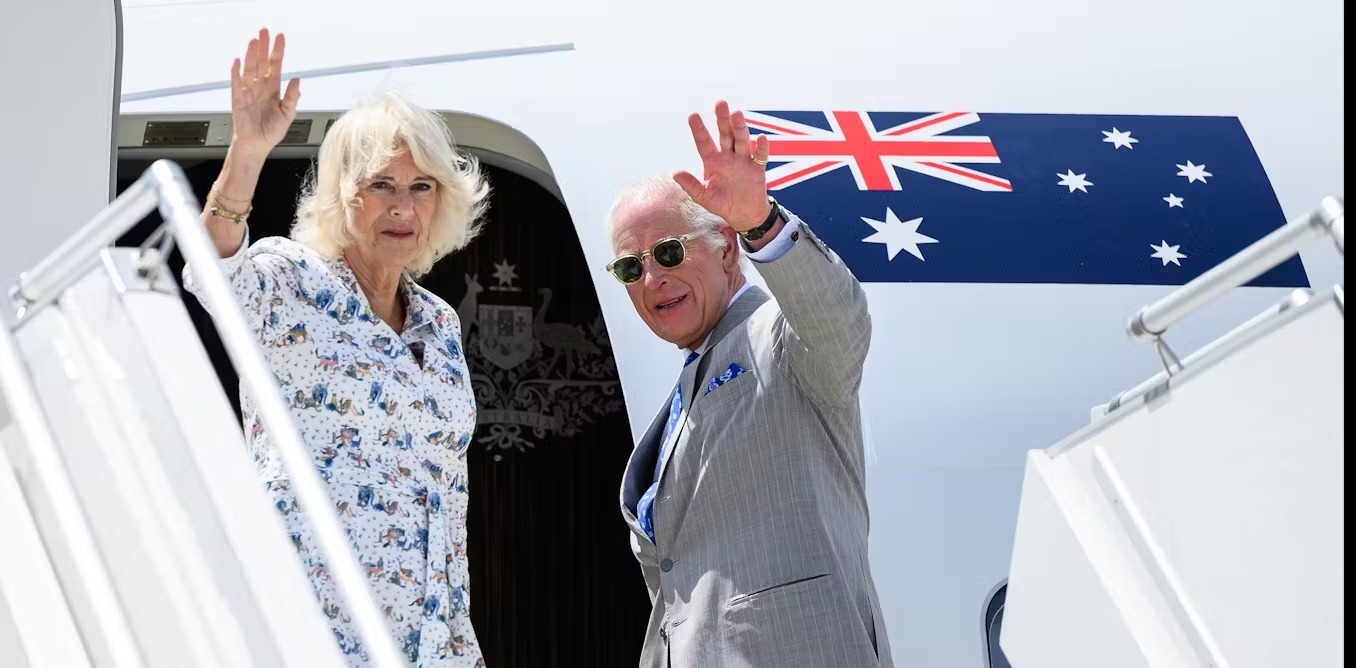
Washington, D.C. officials briefly displayed Australian flags instead of British flags near the White House ahead of King Charles III’s highly anticipated visit to the United States, according to the D.C. Department of Transportation. The mistake, which involved 15 Australian flags, was quickly identified and corrected before the British monarch’s arrival.
The error occurred as part of a large-scale decorative effort to welcome King Charles, with more than 230 flags installed across key areas in the U.S. capital. Although Australia and the United Kingdom share historical ties—and King Charles serves as Australia’s head of state in a largely ceremonial role—the substitution was unintended. Officials acted promptly to replace the incorrect flags with the Union Jack, ensuring proper representation for the British royal visit.
King Charles’ trip to Washington, D.C. marks a significant diplomatic moment, coinciding with the upcoming 250th anniversary of the United States Declaration of Independence. The visit is expected to be one of the most prominent international engagements of his reign so far, drawing global attention and reinforcing the longstanding alliance between the United States and the United Kingdom.
The state visit also comes at a time when the so-called “special relationship” between the two nations has faced challenges. Recent geopolitical tensions, including disagreements related to the Iran conflict, have strained diplomatic ties to their lowest point in decades. As a result, the visit is seen as an important opportunity to strengthen cooperation, rebuild trust, and highlight shared strategic interests.
Despite the initial flag mix-up, preparations for the royal visit continue smoothly. The incident has attracted media attention but is unlikely to overshadow the broader goals of the trip. With ceremonies, meetings, and symbolic gestures planned, King Charles’ U.S. visit is expected to play a key role in reaffirming diplomatic relations and showcasing unity between the two historic allies.







