


 Google Revamps EU Search Results to Meet DMA Rules
  Australia Plans New Rules Giving Users Control Over Social Media Feeds
  Japan, US Target AI and Chips in $550 Billion Investment Push
  OpenAI Launches GPT-6 Astra With Advanced AI Agent Capabilities
  Kioxia Rules Out SK Hynix Manufacturing Partnership
  TSMC August Revenue Jumps 53% on AI Chip Demand
  Australia Defends Social Media Algorithm Law Amid US Concerns
  Xiaomi Shares Jump on Europe EV Expansion Plan
  Nvidia CEO Says AGI Has Arrived With OpenAI GPT-6 Astra
  Anthropic Nears $15 Billion Credit Deal Ahead of IPO
  ByteDance Secures $29.6 Billion Loan to Boost AI Investment
  Qualcomm Stock Jumps on Amazon AI Chip Deal
  South Korea, US Discuss Chip Investments Amid Tariff Plans
  Huawei, Chinese AI Chipmakers Raise Prices as HBM Shortage Bites


 Add as a preferred source on Google
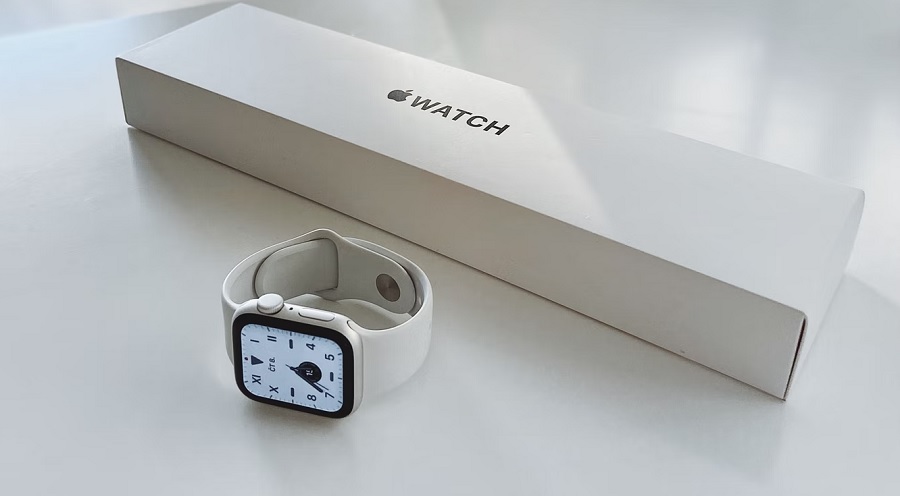
watchOS 9 will deliver new health-focused features to Apple Watches later this year, the company confirmed at the Worldwide Developers Conference earlier this week. The next version of the operating system will add more details to the watches’ sleep tracking feature, along with the new atrial fibrillation monitoring.
While Apple is not expected to make blood pressure and blood glucose features anytime soon, the company will still make some progress in health-related functions through watchOS 9. Apple Watch Series 3 and later models are already capable of tracking some sleep data from users, but the information that can be viewed through the Sleep app on iOS is quite limited.
Currently, Apple Watch users can review their sleep history through the app. But it only shows them how much sleep they are getting in the previous days or weeks. Watches that run on watchOS 8 can also track sleeping respiratory rate, but Apple Watches are not yet capable of showing a breakdown of the sleep stages. The good news is that it will change with watchOS 9.
Apple confirmed that one of the new health features in watchOS 9 will allow Apple Watch users to check when they are awake, in rapid eye movement (REM) sleep, core sleep, and deep sleep. In illustrations provided in a press release, the Apple Watch and Sleep app will both display data on how much time users spent in each stage throughout a sleep cycle.
Another notable health feature coming to Apple Watches via watchOS 9 is atrial fibrillation monitoring. Johns Hopkins Medicine said atrial fibrillation, or simply AFib, is a type of arrhythmia that causes “extremely fast and irregular beats from the upper chambers of the heart.” The heartbeat of people experiencing AFib usually goes above 400 beats per minute. When untreated, the condition could lead to blood clots or stroke.
Apple recently gained clearance from the US Food and Drug Administration for the AFib History feature, which will be available in watchOS 9. It will leverage data from the ECG app and the readily available irregular rhythm notification on Apple Watches to determine if the user is showing signs of AFib. “With watchOS 9, users who are diagnosed with AFib can turn on the FDA-cleared AFib History feature and access important information, including an estimate of how frequently a user’s heart rhythm shows signs of AFib, providing deeper insights into their condition,” Apple said.
Photo by David Švihovec on Unsplash







