


 What is Zionism? The different meanings of a contested term
  Britain has almost 1 million young people not in work or education – here’s what evidence shows can change that
  6 simple questions to tell if a ‘finfluencer’ is more flash than cash
  Gaza Faces Evacuation Crisis as War-Damaged Buildings Risk Collapse
  US Officials Split Over Response to Israeli West Bank Settlements
  Heritage, desire and diplomacy: why China still values scotch whisky
  Taiwan Vows to Advance US Arms Sales Ahead of Trump-Xi Meeting
  Trump Meets Venezuela’s Delcy Rodriguez at UN Assembly
  Russian Strikes Kill Eight Across Ukraine as Energy Sites Hit
  Google promotes ‘teacher approved’ apps for kids. Here’s what parents should know
  Stuck in a creativity slump at work? Here are some surprising ways to get your spark back
  Ghana Says Western Support Growing for Slave Trade Reparations
  Netanyahu Takes Aim at Mamdani as Israel Election Nears
  Taiwan Thanks US for Support Ahead of Trump-Xi Summit
  Disaster or digital spectacle? The dangers of using floods to create social media content
  US, China Extend Trade Truce to Jan. 10 Ahead of Trump-Xi Summit


 Add as a preferred source on Google
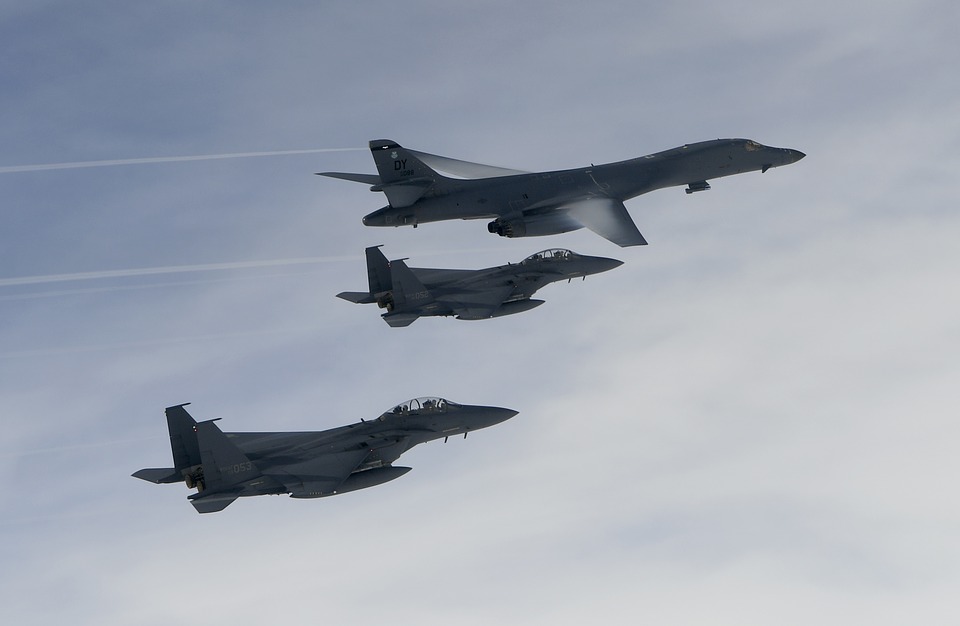
Tensions between South Korea and Russia and China could also become a catalyst to a possible all-out conflict. Fears of a possible world war 3 have since been stoked in the area when South Korea deployed fighter jets upon spotting Russian and Chinese warplanes above its skies.
The South Korean military confirmed its deployment of warplanes into its skies following the detection of 19 warplanes from Russia and China pass over its airspace. Four Chinese warplanes and 15 Russian fighter jets were seen flying into South Korea’s Air Defense Identification Zone or KAIDZ. The country’s joint chiefs of staff said the air force was already instructed to take tactical measures in intercepting the foreign warplanes. They also noted that China and Russia may have been conducting a joint military training exercise but they will continue to look into the incident.
This latest encounter follows an incident in 2019 when South Korean warplanes opened fire at a similar joint fly-in. The air forces fired warning shots in the sky when Russian and Chinese warplanes were seen in its airspace. Fighter jets from Japan also joined Seoul in firing the warning shots and have since accused Moscow and Beijing of intruding in its airspace. Both Russia and China have dismissed the accusations.
Officials from Seoul and Moscow have since engaged in a diplomatic feud following the incident. South Korea’s presidential press secretary Yoon Do Han claimed that Russia had apologized for the incident and would investigate the matter. This has been denied by officials from the Russian Embassy in Seoul.
Meanwhile, world war 3 fears have also been stoked regarding the tensions between Taiwan and China. Taipei has now ramped up its military efforts by beginning the construction of a fleet of advanced submarines to combat potential attacks made by China on the island nation. Experts have predicted that the new military fleet that Taiwan is building could obstruct China’s plans to invade or create a naval blockade. Construction of the first eight submarines already began in November at Kaohsiung. The first fleet is expected to start tests at sea by 2025.
Taiwanese President Tsai Ing-wen called the move “historic” during a ceremony to commemorate the start of the new program.







