


 Novartis Shares Plunge After Muscle Drug Fails Phase III Trial
  FDA Weighs Safety Standards for Psychedelic Therapies
  Eli Lilly Eyes AtaiBeckley Acquisition to Expand Psychedelic Mental Health Pipeline
  France Battles Mediterranean Wildfires as Heatwave Fuels Fire Risk
  Moderna Wins FDA Approval for mFLUSIVA mRNA Flu Vaccine for Adults 50+
  AstraZeneca Halts Phase III Volrustomig Lung Cancer Trial After Efficacy Setback
  Novo Nordisk Eyes Turnaround as Oral Wegovy Challenges Eli Lilly in Weight-Loss Drug Race
  Trump Signs Order to Cut Routine Childhood Vaccines
  3 clinical-grade skincare creams you really shouldn’t buy online
  US-Backed Pediatric HIV Treatment Drops After Foreign Aid Changes, Study Finds
  GLP-1 Weight-Loss Drug Use Surges Among U.S. Children
  U.S. Issues Cuba Health Alert as Illnesses Rise
  Hanmi Pharm Soars 30% on $2.3 Billion Genentech Obesity Drug Deal
  Hims & Hers Shares Fall as GLP-1 Costs Widen Q2 Loss


 Add as a preferred source on Google
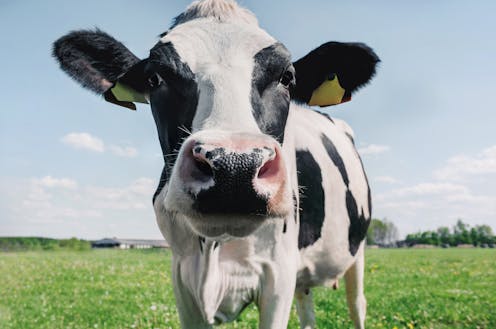

From Kim Kardashian Barker to Gwyneth Paltrow, wellness celebrities are extolling the benefits of taking bovine colostrum supplements. Social media influencer Sofia Richie Grainge has even launched her own bovine colostrum-laced smoothie.
The supplement, they claim, offers a wide range of health benefits, including glowing skin with increased elasticity. Some brands claim that consuming bovine colostrum can protect adult humans from cold, cough and sickness bugs, improve gut health and support weight loss.
Bovine colostrum is also popular among some athletes who claim it can help improve exercise performance, build strength and speed up recovery.
I’m no stranger to the benefits of animal colostrum – before I joined academia I worked as a veterinarian. I witnessed that newborn animals who did not receive colostrum just after birth were at a significantly increased risk of death and disease. I was emphatic to my clients, then, about the crucial role of colostrum in the early development of newborn animals, as well as their overall health later in life.
But is cow colostrum a miracle health elixir or just the latest wellness fad?
Nature’s first vaccine
There’s no doubt that colostrum is wonderful stuff. Known as “nature’s first vaccine”, colostrum is the first milk produced by the breast of female mammals in the two to five days immediately after giving birth. It is a nutrient dense liquid rich in antibodies, antioxidants, growth factors, vitamins, minerals and nutrients that boost newborns’ immune systems and support their overall growth.
In humans, colostrum should be given to newborns as soon after birth as possible, preferably within the first hour of birth and repeated at no later than six hours after birth. Colostrum is perfectly balanced for all baby’s needs. But there is not enough rigorous scientific evidence on human colostrum’s benefits for adults.
There is, though, some evidence to suggest that bovine colostrum may help humans to fight infection, improve gut health, relieve stomach and digestive issues, reduce inflammation and lower risk of catching the flu and upper respiratory infections. But its efficacy depends on the product: how it’s processed, manufactured and stored – and the product’s potency. Bovine colostrum supplements aren’t regulated so there’s currently no guarantee of quality.
Bovine colostrum contains higher total protein content than mature milk, mainly due to higher levels of antibodies (also known as immunoglobulins) and casein – a protein that supports muscle building. As well as immune-regulatory, antibacterial and anti-inflammatory properties, milk casein may offer a number of metabolic and protective benefits for humans. For example, it can help to reduce appetite because it’s digested more slowly than other proteins. Research suggests that consuming casein before bed may increase metabolic rate and the protein has also been associated with improvement in brain function because of its protective effects on the nervous system.
The level of antibodies in bovine colostrum can be 100 times higher than levels in regular cow’s milk. Hyperimmune bovine colostrum is made by cows that have been vaccinated for diseases such as rotavirus. These cows produce antibodies that can help fight viruses and bacteria that cause disease and infection.
And that’s not all. Bovine colostrum also contains antimicrobials, which kill bacteria, viruses, fungi and parasites. Studies have also shown that these antimicrobials can help prevent common gastrointestinal infections, such as Escherichia coli, Salmonella and Helicobacter pylori. They can also act as prebiotics by stimulating growth of beneficial bacteria in the gut.
As if that isn’t enough, studies also report that taking blood colostrum supplements may help reduce flu-like episodes and upper respiratory tract infections. A 2006 study even suggested that taking bovine colostrum might help reduce diarrhoea in people with HIV/AIDS.
Miracle milk or frivolous fad?
Taking bovine colostrum might sound appealing – but if you’re thinking of buying one of the expensive products on the market, bear in mind the lack of regulation and the scarcity of rigorous data on the safety and risks of the supplements.
What we do know is that people with a cow’s milk allergy should not ingest or apply bovine colostrum. Any use of bovine colostrum could result in severe side effects. In 2019 a 16-year-old boy with an allergy to cow’s milk developed anaphylaxis after a bovine colostrum-based cream was applied to a surgical wound. Even those who aren’t allergic to cow’s milk could suffer mild gastrointestinal discomfort, such as nausea and gas, while taking a bovine colostrum supplement.
So, it’s possible that bovine colostrum might offer some health benefits but the lack of product regulation and research makes buying supplements an expensive gamble. Having a healthy lifestyle with a good diet and regular exercise would undoubtedly be a much safer bet for your health – and your bank balance.







