


 Trump Says U.S.-Iran Peace Deal Near After UN Talks
  Macron, Trump Discuss Ukraine-Russia Energy Strike Moratorium
  Lula and Flavio Bolsonaro Tied in Brazil Runoff Poll
  China Tightens Fentanyl Rules Ahead of Trump-Xi Summit
  Iran Vows ‘Crushing’ Response as US Talks Continue
  US, China Extend Trade Truce to Jan. 10 Ahead of Trump-Xi Summit
  Burnham Eyes UK Leadership Role in AI Ahead of Trump Meeting
  Europe Warns Russia Is Escalating Hybrid Attacks Across NATO
  Venezuela Promises Elections as Delcy Rodriguez Pledges Democratic Transition
  Russian Envoy Dmitriev Heads to US for Ukraine Talks
  Trump to Press Xi on Release of US Nuclear Expert Held in China
  Ghana Says Western Support Growing for Slave Trade Reparations
  Taiwan Vows to Advance US Arms Sales Ahead of Trump-Xi Meeting
  Trump Says ‘Freedom’ Is Coming to Cuba
  Marco Rubio to Meet Russia’s Lavrov in New York
  Trump Meets Venezuela’s Delcy Rodriguez at UN Assembly
  Scott Bessent Eyed as Trump’s New AI Czar


 Add as a preferred source on Google
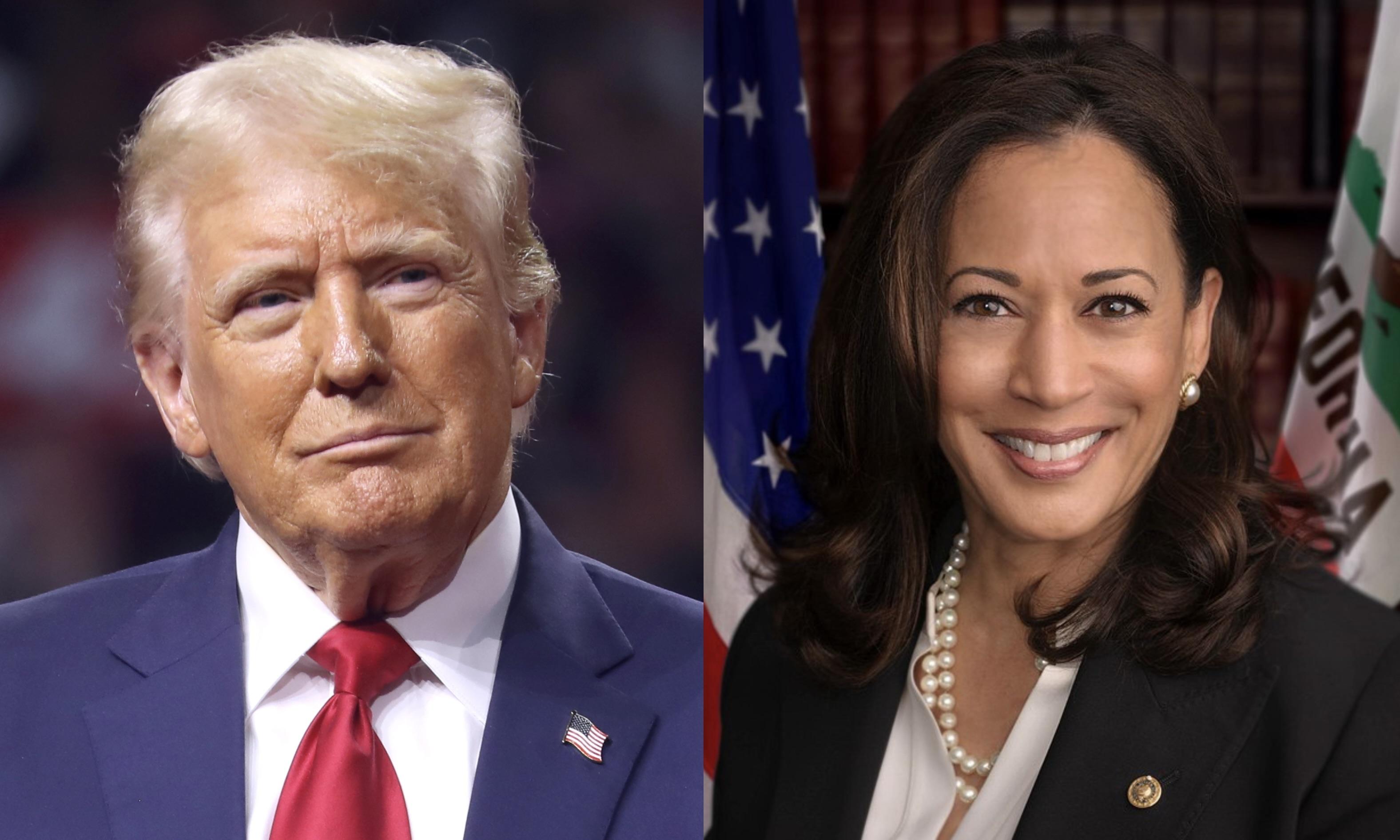
Kamala Harris’s loss to Donald Trump in the presidential race has left political analysts and Democrats across the country reeling. The defeat marks a significant blow to the Democratic Party, sparking deep reflection on the factors that led to Harris’s unexpected loss in one of the most polarizing elections in modern history.
Despite early optimism and substantial support within her party, Harris ultimately could not overcome the momentum Trump built throughout his campaign. Key factors, including messaging missteps, voter turnout challenges, and strategic shifts by Trump’s team, played pivotal roles in her defeat. Now, the Democratic Party faces questions about its future direction as it grapples with the implications of this high-profile loss.
Key Reasons for Harris’s Loss: Strategic Missteps and Voter Disconnection
One of the most critical issues in Harris’s campaign was her struggle to connect with swing voters in pivotal states. While Harris secured significant support from Democratic strongholds, her appeal in battleground states like Pennsylvania and Georgia fell short. Analysts believe her campaign failed to resonate with undecided voters, who were swayed by Trump’s populist message and promises to tackle economic challenges head-on.
Harris’s messaging strategy also raised concerns. By focusing heavily on progressive agendas, her campaign may have alienated more moderate and centrist voters. In contrast, Trump’s campaign emphasized traditional values and economic growth, drawing in a broader spectrum of supporters. A Democratic strategist noted, “Harris’s campaign didn’t bridge the gap with those who felt left behind. She leaned too far left without adequately addressing centrist concerns.”
Trump’s Tactical Campaign Approach
Trump’s team ran a highly tactical campaign, exploiting vulnerabilities within Harris’s platform and reaching out to undecided voters aggressively. His emphasis on economic issues, coupled with promises to reinvigorate traditional industries, resonated with voters in critical swing states. Trump also leveraged concerns over inflation, positioning himself as a candidate focused on restoring financial stability.
In addition, Trump’s use of social media and targeted ads allowed his campaign to engage with voters on a more personal level. Through tailored messages that highlighted Harris’s perceived weaknesses, Trump’s team capitalized on doubts surrounding her leadership and economic policies. His campaign’s calculated approach, especially in states that Harris needed to win, proved instrumental in his victory.
The Path Forward for Harris and the Democrats
Harris’s loss has ignited a debate within the Democratic Party over its future direction. Many members are questioning whether the party’s current strategies align with the concerns of the average voter. The party now faces a challenging path forward, as it must decide whether to pivot toward a more centrist platform or double down on its progressive stance.
In the coming months, party leaders will likely reassess their approach, seeking to understand how to regain the trust of disaffected voters. For Harris, this defeat could mark a turning point, leading her to recalibrate her political focus or take on a different role within the party.
The election’s outcome underscores a major shift in American politics, with Trump’s victory signaling a return to conservative values. As Democrats regroup, questions linger about how they will adapt to a changing electorate and prepare for future challenges.







