


 South Korea, US Discuss Warship Building Cooperation
  US Officials Split Over Response to Israeli West Bank Settlements
  Judge Orders Trump to Restore White House Access for CNN, MS NOW and Politico
  Trump Says ‘Freedom’ Is Coming to Cuba
  Trump Meets Venezuela’s Delcy Rodriguez at UN Assembly
  Mexico-US Trade Talks Delayed to October as Tariff Negotiations Continue
  Europe Warns Russia Is Escalating Hybrid Attacks Across NATO
  China Tightens Fentanyl Rules Ahead of Trump-Xi Summit
  Trump to Press Xi on Release of US Nuclear Expert Held in China
  Trump Board of Peace Unveils $2.45 Billion Gaza Recovery Plan
  US Invites Putin to Miami G20, Opening Door to Trump Summit
  Russian Strikes Kill Eight Across Ukraine as Energy Sites Hit
  Trump Administration Plans Faster FDA Reviews for Smoke-Free Nicotine Products
  Russian Missile and Drone Attack on Kyiv Kills Two, Damages Maternity Hospital
  Iran Vows ‘Crushing’ Response as US Talks Continue
  Gaza Faces Evacuation Crisis as War-Damaged Buildings Risk Collapse
  Taiwan Vows to Advance US Arms Sales Ahead of Trump-Xi Meeting


 Add as a preferred source on Google
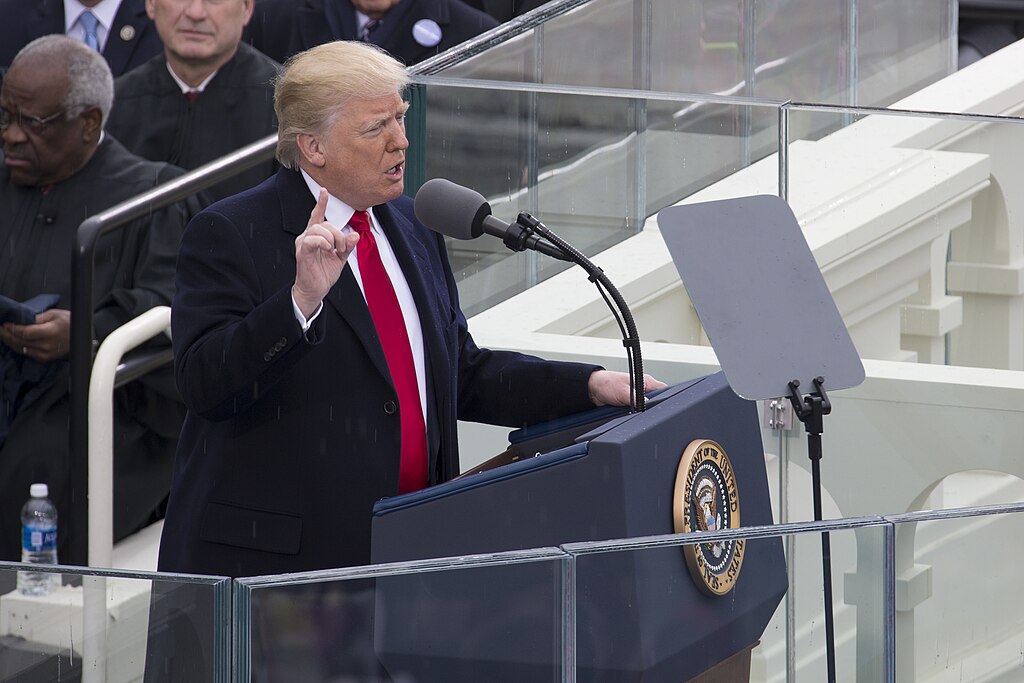
President-elect Donald Trump has unveiled an ambitious plan to expand 5G technology nationwide in 2025, promising to revolutionize communication networks while sparking heated debates among policymakers, businesses, and the public. The initiative, which includes partnerships with leading telecommunications companies and significant federal investments, is expected to boost internet speeds, enhance connectivity in rural areas, and create thousands of jobs.
In a press briefing on Monday, Trump outlined his administration’s vision for making 5G a cornerstone of America’s technological infrastructure. “We are positioning the United States as the global leader in telecommunications,” he said. “This plan will ensure every American, no matter where they live, has access to the fastest internet available.”
The 5G expansion plan will prioritize building new infrastructure, retrofitting existing networks, and addressing cybersecurity concerns. However, critics argue that the strategy overlooks environmental risks, potential health concerns, and the growing issue of data privacy.
Key Initiatives: Federal Funding and Private Partnerships
The administration’s plan involves a multi-faceted approach. First, it pledges $20 billion in federal funding to incentivize telecom companies to expand coverage in underserved rural and urban areas. This will include constructing new cell towers and enhancing fiber-optic networks to ensure faster, more reliable connectivity.
Second, Trump’s plan encourages public-private partnerships to accelerate deployment. Companies like Verizon, AT&T, and T-Mobile are expected to play pivotal roles in implementing the strategy. In exchange, these firms will receive tax incentives to invest in rural broadband expansion, addressing a longstanding digital divide that has hindered economic development in remote areas.
Finally, the proposal emphasizes cybersecurity measures to protect against potential threats from foreign actors, particularly China. The administration plans to strengthen collaboration with national intelligence agencies to ensure the security of 5G networks.
Public Reactions: Divided Opinions on the 5G Rollout
Trump’s announcement has drawn a wide range of reactions on social media, from enthusiastic support to sharp criticism.
- @TechGuru2025: "This is what leadership looks like! Expanding 5G is a game-changer for America’s economy and innovation."
- @PrivacyHawk: "Faster internet is great, but who’s addressing the real issue here—our privacy and data security?"
- @RuralAdvocate: "Finally, rural America gets a seat at the table. Thank you, President Trump, for making this happen!"
- @GreenFutureNow: "How about addressing the environmental impact of 5G towers instead of rushing to please telecom giants?"
- @DataRightsFirst: "No plan for protecting our data. Trump’s 5G expansion is a disaster waiting to happen!"
- @5GSupporter: "This is exactly what we need to compete globally. Let’s make it happen!"
Challenges and Concerns About 5G Implementation
While the 5G expansion plan has been praised for its focus on economic growth and technological advancement, experts warn of significant challenges. Environmental groups are raising concerns about the increased energy consumption associated with 5G towers, which could exacerbate climate change.
Health advocates have also questioned the potential risks of prolonged exposure to high-frequency radiation, although studies on this topic remain inconclusive. Furthermore, cybersecurity analysts caution that expanding 5G without robust safeguards could expose the U.S. to cyberattacks, particularly from adversaries like China and Russia.
Data privacy advocates have been vocal about the lack of provisions to regulate how telecom companies handle user data. Without clear guidelines, critics fear that consumers’ personal information could be exploited for profit or surveillance.
Despite these challenges, the administration remains optimistic, emphasizing the economic benefits of 5G expansion. The initiative is projected to create 200,000 jobs by the end of 2025, particularly in construction and tech-related industries.







