


 Israel, Syria Discuss Turkey’s Military Presence Before Airstrike
  Gaza Zoo Struggles to Save Animals Amid War
  Trump Says Iran Talks Halted as Strait of Hormuz Dispute Fuels Oil Concerns
  Trump Says Kim Jong Un Responded to Outreach After US Scales Back South Korea Military Drills
  US, South Korea Cut Joint Military Drills After Trump Orders Reduced Role
  Trump Eyes Kim Jong Un Meeting, Cites North Korea’s 57 Nuclear Weapons
  Trump Approval Rating Hits Presidency Low as Iran War Concerns Grow
  Israeli Airstrikes Kill 10 Palestinians in Gaza as Ceasefire Diplomacy Stalls
  Ukraine Names Yevhenii Khmara Defence Minister Amid Election Row
  Israeli Airstrike Kills Six Palestinians in Gaza as Trump Peace Plan Stalls
  Israel Strikes Syrian Airbase Near Aleppo, Raising Tensions With Turkey
  Trump Pauses 50% Canada Tariffs for Three Days as U.S. Trade Deal Takes Shape
  Trump Says Iran Should Surrender as Nuclear Deal Talks Stall
  Prince Harry and Meghan Markle Reportedly Plan UK Move With Children
  Russia-Ukraine Drone Attacks Escalate as Strikes Hit Moscow, Kyiv and Romania
  Angie Nixon Scores Florida Senate Primary Upset as Key Midterm Races Take Shape
  Erdogan Urges Trump to Resume Iran Talks, Offers Turkey’s Support for Peace Efforts


 Add as a preferred source on Google
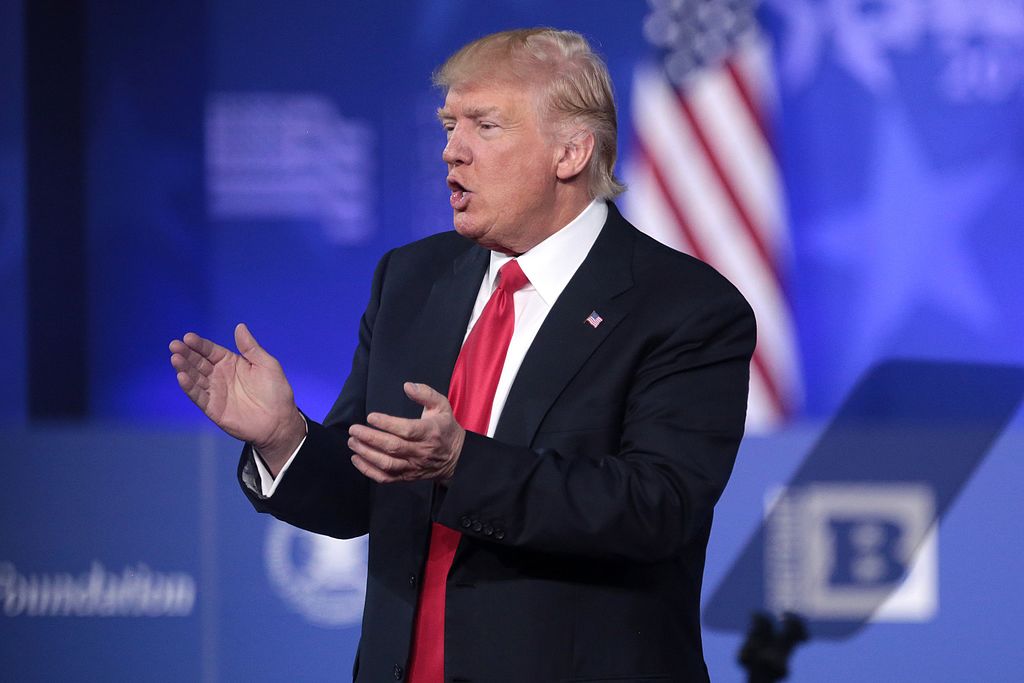
Donald Trump, now in his second term as president, is implementing an aggressive plan to combat international money laundering, an issue that has plagued financial systems globally. With bold policies and a hardline approach, his administration is seeking to tighten controls, disrupt illicit networks, and enhance global cooperation to prevent dirty money from undermining the U.S. economy.
Tougher Financial Regulations at Home
At the core of Trump's strategy is a significant overhaul of financial regulations. The administration is pushing for stricter reporting requirements for banks and non-bank financial institutions. Under these new measures, entities must report transactions exceeding $5,000, reducing the threshold from the previous $10,000. According to Treasury Secretary Steven Mnuchin, the lower reporting limit will create a stronger paper trail, helping authorities identify suspicious activities more effectively.
Additionally, the Department of Justice has been granted expanded authority to prosecute financial institutions that fail to comply with anti-money laundering (AML) protocols. To ensure compliance, hefty fines and criminal penalties are being introduced, signaling that negligence will no longer be tolerated.
Enhancing Global Cooperation
Recognizing the transnational nature of money laundering, Trump’s administration is also focusing on enhancing international cooperation. By strengthening alliances with key partners, such as the European Union and the Financial Action Task Force (FATF), the U.S. is working to harmonize AML regulations across borders. This initiative aims to close loopholes that criminals exploit in jurisdictions with weaker financial oversight.
The administration has also expanded its use of targeted sanctions. In coordination with allies, it has blacklisted several offshore banks and shell companies linked to drug cartels, terrorist organizations, and tax evasion schemes. These actions have drawn mixed reactions globally, with some praising the bold moves while others criticize the collateral economic impacts on developing nations.
The Role of Technology in Tracking Dirty Money
Technology plays a critical role in Trump’s anti-money laundering agenda. The administration has directed resources toward artificial intelligence systems capable of analyzing complex financial networks. These systems can identify patterns indicative of money laundering, such as layering and smurfing, with greater speed and accuracy than traditional methods.
Trump has also authorized the development of blockchain-based tools for monitoring cryptocurrency transactions. While some critics argue that such measures infringe on privacy, the White House maintains that these tools are essential in addressing the rise of crypto-based money laundering schemes.
Public Reaction Divided Over Trump’s Approach
Trump’s bold measures have ignited fierce debate online. While some netizens applaud his aggressive stance, others question the potential overreach of government powers.
@CryptoConscious tweeted: “Trump cracking down on money laundering? Great. But what about our financial privacy? #CivilLibertiesMatter.”
@FinanceGuru2025 said: “Finally, a president tackling the real issues! Money laundering is a global menace. Well done, Trump.”
@AntiCorruptionWatch wrote: “Sanctioning offshore banks sounds good, but small economies could suffer. Collateral damage is real. #GlobalImpact.”
@LibertyFirst exclaimed: “Is this about justice or control? Tracking every $5,000 transaction feels like Big Brother to me.”
@AMLexpert2025 noted: “The U.S. leads the fight against dirty money. Coordinated action with FATF is critical for global success.”
@JohnDoeCrypto added: “Blockchain oversight is essential, but government control over crypto could stifle innovation. Balance is key!”







