


 Ukrainian Drone Attacks Hit Russian Regions, Injuring at Least 12
  North Korea Rejects Nuclear Test Warning, Calls Nuclear Status Irreversible
  NATO Boosts Intelligence Sharing Amid Russia Hybrid Threats
  EU Defence Build-Up Too Slow for 2030 Russia Readiness Goal
  Netanyahu Defends Israel at UN as Delegates Stage Walkout
  Ghana Says Western Support Growing for Slave Trade Reparations
  Russian Missile and Drone Attack on Kyiv Kills Two, Damages Maternity Hospital
  Kremlin Says No Decision Yet on Putin-Trump December Summit
  Judge Orders Trump to Restore White House Access for CNN, MS NOW and Politico
  Najib Razak Seeks Stay of 15-Year 1MDB Prison Sentence
  Saudi Arabia, Turkey and Pakistan Plan Urgent Defence Talks Over Houthi Attacks
  US Backs Musk in Fight Against EU’s €120 Million X Fine
  Netanyahu Takes Aim at Mamdani as Israel Election Nears
  Taiwan Thanks US for Support Ahead of Trump-Xi Summit
  North Korea Warns South Korea Over US-Led Defense Role
  Sudan Rejects US Legitimacy Remarks, Defends Sovereignty
  South Korea, US Discuss Warship Building Cooperation


 Add as a preferred source on Google
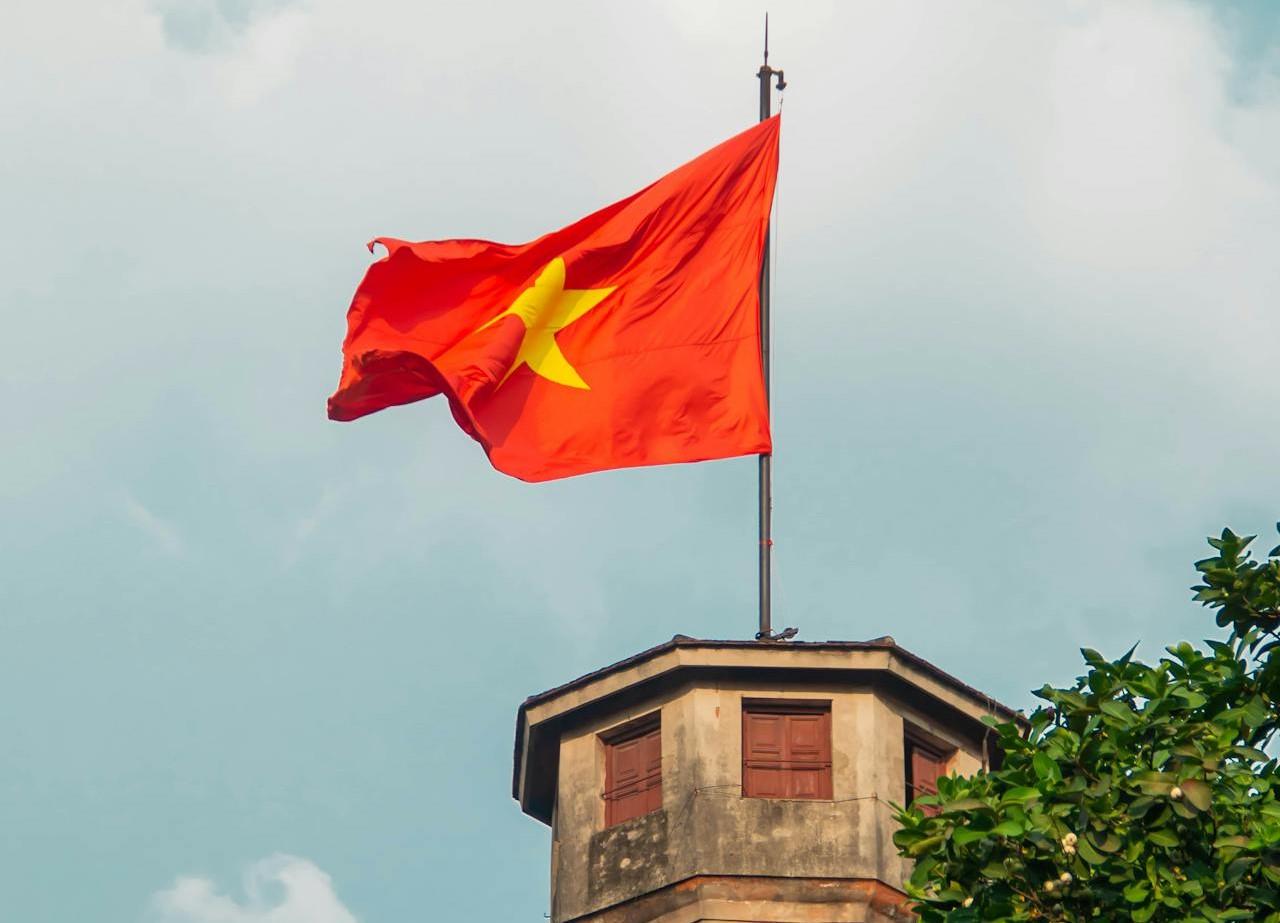
Hundreds of delegates from Vietnam’s ruling Communist Party are gathering in Hanoi under tight security for a pivotal week-long congress that will determine the country’s top leadership and set economic and security priorities for the rest of the decade. Held every five years, the congress operates behind closed doors and plays a decisive role in the governance of the single-party state.
Around 1,600 delegates, representing more than 5.6 million party members nationwide, will elect a new 200-member Central Committee. This body will then select between 17 and 19 members of the powerful Politburo, from which the party’s general secretary is chosen. The congress is widely expected to confirm To Lam, 68, as general secretary, consolidating his position as Vietnam’s most powerful leader, though officials note that surprises remain possible. Decisions on other top roles, including the presidency, are expected to follow at later meetings.
To Lam rose to the party’s top post after the death of his predecessor Nguyen Phu Trong in July 2024. Since then, he has been seen as a bold and risk-taking leader. He has pushed through sweeping bureaucratic reforms, cutting tens of thousands of public-sector jobs to streamline decision-making and speed up investment approvals. While the long-term impact is still being assessed, the changes have already shortened timelines for some major projects.
His leadership also marks a shift from the aggressive anti-corruption campaign that dominated the previous era. While still emphasizing discipline, Lam has scaled back measures that had slowed governance and led to the removal of several senior officials, including two former presidents. At the same time, he has launched ambitious infrastructure and economic initiatives, boosting Vietnam’s appeal to foreign investors but raising concerns about transparency and waste.
The congress will also finalize a policy resolution expected to prioritize national security and economic growth. A draft released earlier targets at least 10% annual growth over the next five years, up from the previously missed 6.5% to 7% goal. Security, defense, diplomacy, and environmental protection are all expected to feature prominently as Vietnam navigates a more volatile global environment.







