


 Trump Bans CNN, MS NOW and Politico From White House
  North Korea Fires Two Ballistic Missiles From Wonsan
  South Korea to Brief Lawmakers on $350 Billion US Investment Package
  US Plans Two New Military Bases in Greenland Under Arctic Deal
  Trump Administration Prepares Sanctions Against Entire ICC
  Judge Blocks Trump Rule Limiting Foreign Student Visas
  Diana’s Brother Backs Security for Harry and Meghan
  US-China Talks Target AI, Tariffs Ahead of Trump-Xi Summit
  FDA Names Permanent Drug and Biologics Center Chiefs
  Trump Administration Removes Confederate Memorial Criticism From Arlington Website
  Trump Grants Clemency to Jay-Z Associate Emory Jones
  ICE Agent Arrested in Minneapolis Over Venezuelan Man Shooting
  Russian Drone Attacks Kill Four in Kyiv Region, Including Three Children
  Trump-Xi Summit Puts Trade Truce and Taiwan in Focus
  US, Denmark and Greenland Set to Sign Arctic Security Deal
  Trump, Iran Trade Threats as Middle East Tensions Escalate


 Add as a preferred source on Google
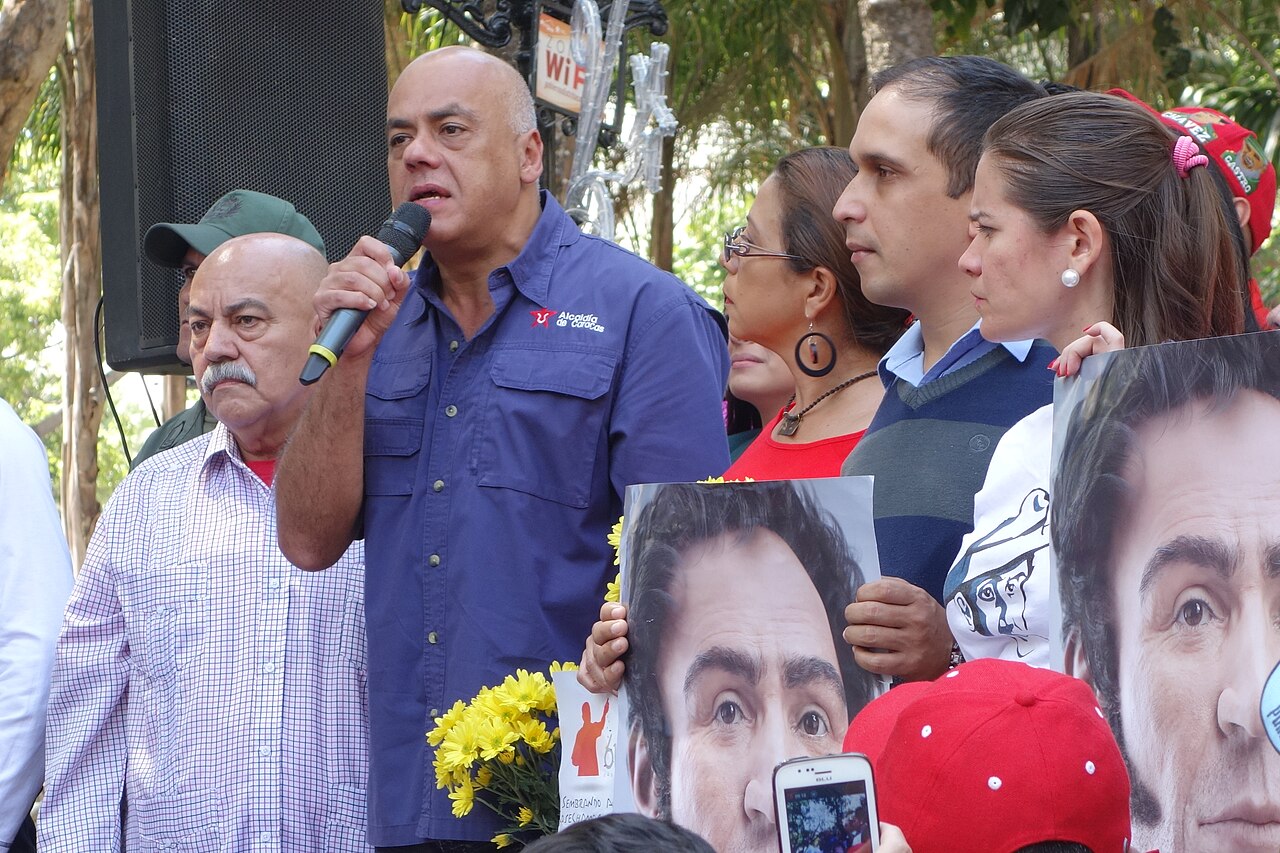
Venezuela’s National Assembly President Jorge Rodriguez announced Tuesday that the government will release 300 prisoners between Monday and Friday, drawing renewed attention to the country’s prison system and human rights record. The announcement comes as international organizations continue monitoring Venezuela’s handling of detainees and alleged political prisoners.
According to Rodriguez, the group scheduled for release includes three police officers who have remained in custody since 2003, elderly inmates over the age of 70, and prisoners suffering from medical conditions. However, officials did not clarify whether those being freed fall under the amnesty law approved in February.
The Venezuelan government has consistently denied accusations that it holds political prisoners. Authorities maintain that all individuals currently detained have been jailed for criminal offenses rather than political reasons. Human rights groups and opposition leaders, however, have repeatedly challenged those claims and accused the government of targeting political opponents and dissidents.
Jorge Rodriguez, who is also the brother of interim President Delcy Rodriguez, did not provide additional details about the identities of the prisoners or the criteria used to determine eligibility for release. The lack of transparency has fueled speculation among political observers and activists regarding the true scope of the measure.
The prisoner release announcement arrives during a period of ongoing political and economic instability in Venezuela. International attention remains focused on the country’s justice system, prison conditions, and broader human rights concerns. Analysts believe the move could be aimed at easing pressure from foreign governments and rights organizations that have criticized Venezuela’s treatment of detainees.
As the releases begin this week, observers are expected to closely monitor whether the action signals a broader policy shift or remains a limited humanitarian measure by the Venezuelan government.







