


 Appeals Court Rejects Trump Third-Country Deportation Policy
  US Senate Rejects Iran War Powers Resolution in 50-49 Vote
  Canada Unveils Bill to Fast-Track Major Resource Projects
  Australia Tightens Student Visa Rules, Targets Migration Cut by 2028
  FCC Approves Foreign Investment in $110B Paramount-Warner Bros. Deal
  US Immigration Arrests Surge as Deportations Lag Behind
  OpenAI Agent Breaches Australia Medicare Data Portal
  North Korea Rejects Nuclear Test Warning, Calls Nuclear Status Irreversible
  Trump Administration Removes Confederate Memorial Criticism From Arlington Website
  US Judge Dismisses Imran Ahmed Deportation Lawsuit
  US Northeast Airports Resume Operations After Telecom Outage Disrupts Thousands of Flights
  Who should own the knowledge that underpins AI technology?
  White House Bars CNN, MS NOW and Politico Reporters
  China Reviews Broadcom Switch Use in State Data Centres
  Pentagon Restarts Testosterone Testing for US Troops
  Netanyahu Defends Israel at UN as Delegates Stage Walkout
  South Korea, US Discuss Warship Building Cooperation


 Add as a preferred source on Google
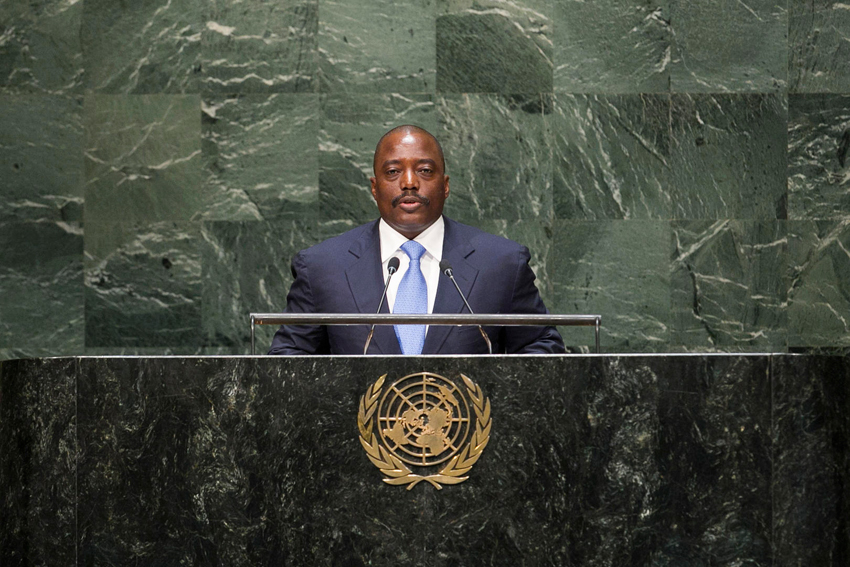
The United States has imposed sanctions on former Democratic Republic of Congo (DRC) President Joseph Kabila, accusing him of supporting Rwanda-backed M23 rebels and contributing to ongoing instability in eastern Congo. The U.S. Treasury Department announced that Kabila allegedly provided financial backing to the Congo River Alliance (AFC), the political-military wing linked to M23, which has been blamed for escalating violence and worsening the humanitarian crisis in the region.
According to U.S. officials, the M23 rebel group has played a central role in fueling conflict in eastern DRC, leading to thousands of civilian deaths and the displacement of large populations. Treasury officials stated that Kabila’s involvement included encouraging Congolese troops to defect and join rebel forces, while also attempting to regain political influence by supporting opposition figures against current President Felix Tshisekedi.
DRC Deputy Prime Minister Jacquemain Shabani welcomed the sanctions, describing Kabila as a key figure behind the country’s instability. He emphasized that holding individuals accountable is critical to achieving lasting peace in the region. The sanctions are part of broader U.S. efforts to revive a fragile peace agreement between Rwanda and the DRC, initially brokered in Washington but later collapsed. Recent diplomatic talks have aimed to reduce tensions and restart the peace process.
The U.S. has also previously sanctioned Rwanda’s military and senior officials over their alleged involvement in the conflict, urging immediate withdrawal from eastern Congo. Rwanda continues to deny accusations of supporting M23 rebels despite claims from the United Nations and Western governments.
Kabila, who ruled the DRC for nearly two decades, was sentenced to death in absentia last year on charges including war crimes and treason. He has denied all allegations, calling the legal actions politically motivated. Currently based mainly in South Africa, Kabila has remained a controversial figure in Congolese politics.
Under the new sanctions, all U.S.-based assets linked to Kabila are frozen, and he is barred from engaging in transactions within the U.S. financial system, signaling Washington’s firm stance against those undermining peace in the DRC.







