


 US Northeast Airports Resume Operations After Telecom Outage Disrupts Thousands of Flights
  Saudi Arabia Shuts East-West Oil Pipeline After Drone Attack
  Synthetic data could ease people’s concerns about privacy breaches. But who gets to create it?
  Trump Scales Back Endangered Species Act Protections
  US Invites Putin to Miami G20, Opening Door to Trump Summit
  Ghana Says Western Support Growing for Slave Trade Reparations
  US Senate Rejects Iran War Powers Resolution in 50-49 Vote
  Judge Orders Trump to Restore White House Access for CNN, MS NOW and Politico
  Russian Missile and Drone Attack on Kyiv Kills Two, Damages Maternity Hospital
  Taiwan Thanks US for Support Ahead of Trump-Xi Summit
  Trump Administration Plans Faster FDA Reviews for Smoke-Free Nicotine Products
  Netanyahu Defends Israel at UN as Delegates Stage Walkout
  Trump Asks Supreme Court to Restore Third-Country Deportations
  Venezuela Promises Elections as Delcy Rodriguez Pledges Democratic Transition
  Canada Unveils Bill to Fast-Track Major Resource Projects
  OpenAI Agent Breaches Australia Medicare Data Portal
  Mexico-US Trade Talks Delayed to October as Tariff Negotiations Continue


 Add as a preferred source on Google
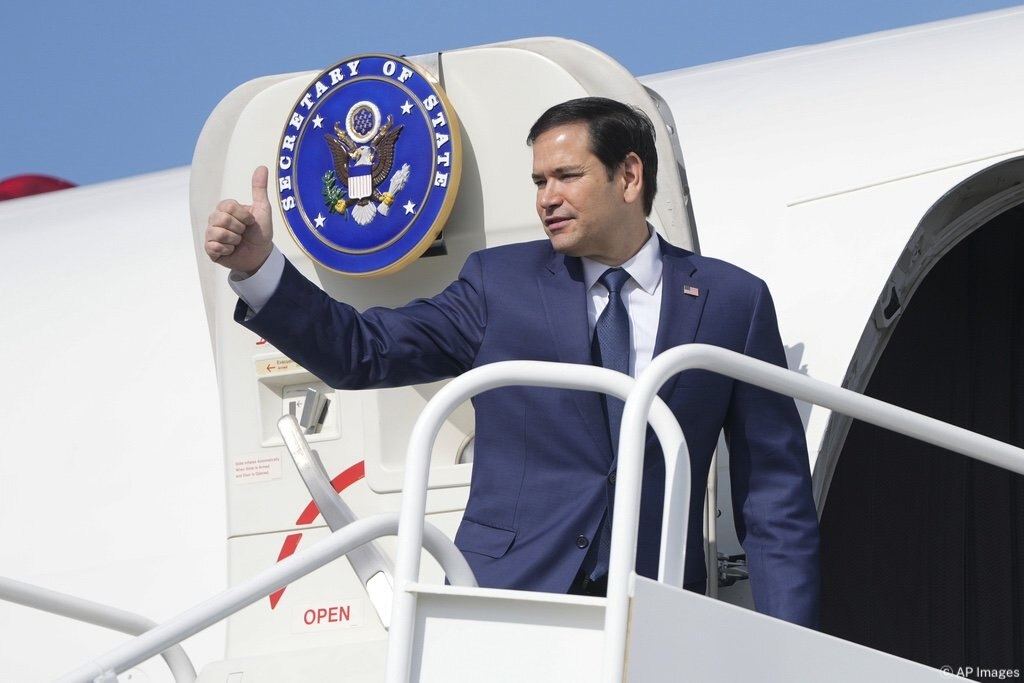
U.S. Secretary of State Marco Rubio has approved major arms deals worth approximately $25.8 billion for several Middle Eastern allies, according to a Bloomberg News report released Thursday. The proposed agreements reportedly include the sale of hundreds of advanced air-defense interceptors along with additional military equipment aimed at strengthening regional security and defense capabilities.
The weapons packages are expected to support key U.S. partners in the Middle East as tensions continue across the region. The approved sales reportedly focus on enhancing missile defense systems and improving military readiness against potential aerial threats. Bloomberg stated that the deals involve sophisticated defense technology designed to reinforce strategic alliances between Washington and its regional partners.
The U.S. State Department has not yet publicly released detailed information regarding the specific countries involved or the full list of weapons included in the agreements. Reuters also noted that it could not independently verify the Bloomberg report at the time of publication.
The reported approval comes amid ongoing geopolitical uncertainty in the Middle East, where governments continue investing heavily in defense infrastructure and missile interception systems. The United States has remained one of the region’s largest arms suppliers, frequently authorizing large-scale military sales to allies seeking to modernize their defense capabilities.
Analysts believe the latest arms agreements could further strengthen diplomatic and military ties between the U.S. and Middle Eastern nations while also boosting the American defense industry. The deals may still require congressional review before final implementation, depending on the type and scale of the weapons systems involved.
The development highlights Washington’s continued commitment to supporting regional security partnerships and maintaining stability in the Middle East through advanced defense cooperation and military technology exports.







