


 Venezuela Promises Elections as Delcy Rodriguez Pledges Democratic Transition
  Trump Administration Plans Faster FDA Reviews for Smoke-Free Nicotine Products
  Netanyahu’s Brief US Trip Highlights Strains With Trump
  Kremlin Says No Decision Yet on Putin-Trump December Summit
  Europe Warns Russia Is Escalating Hybrid Attacks Across NATO
  Synthetic data could ease people’s concerns about privacy breaches. But who gets to create it?
  US Resumes Immigrant Visa Processing for Hungary, Poland
  NATO Boosts Intelligence Sharing Amid Russia Hybrid Threats
  DOJ Will Investigate AI-Related Crimes, Attorney General Blanche Says
  US Northeast Airports Resume Operations After Telecom Outage Disrupts Thousands of Flights
  Who should own the knowledge that underpins AI technology?
  US Backs Musk in Fight Against EU’s €120 Million X Fine
  White House Bars CNN, MS NOW and Politico Reporters
  Pentagon Restarts Testosterone Testing for US Troops
  Appeals Court Rejects Trump Third-Country Deportation Policy
  US Immigration Arrests Surge as Deportations Lag Behind
  US Senate Rejects Iran War Powers Resolution in 50-49 Vote


 Add as a preferred source on Google
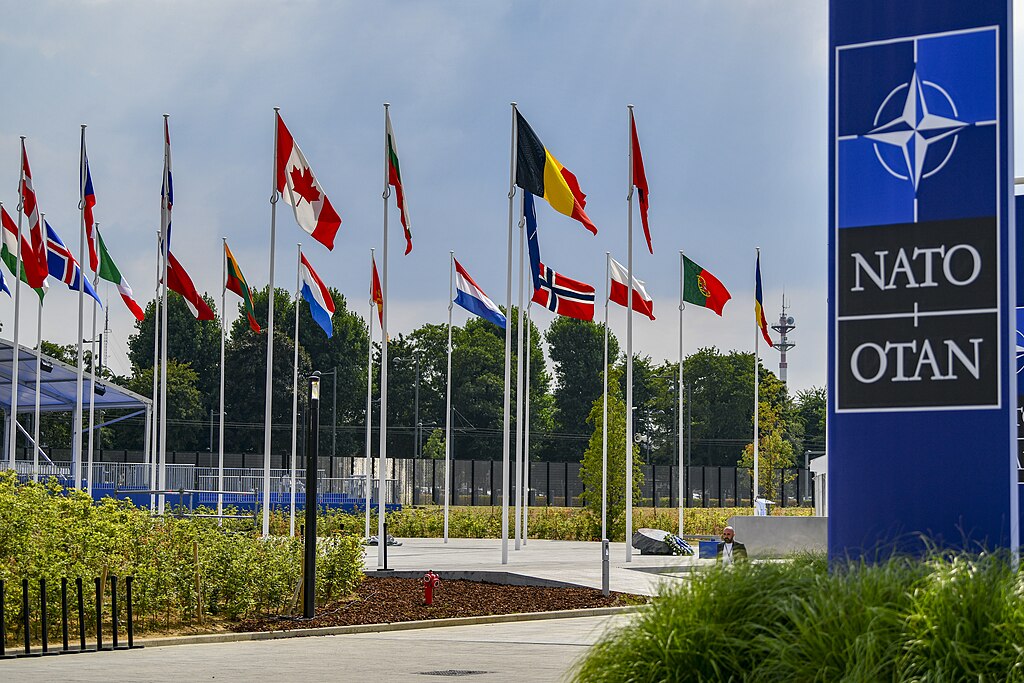
The Trump administration is preparing to inform NATO allies that the United States plans to reduce the military capabilities it would provide to support Europe during a major conflict or security crisis, according to sources familiar with the discussions. The move signals a significant shift in U.S. defense policy and reinforces President Donald Trump’s push for European nations to take greater responsibility for regional security.
Under NATO’s Force Model, member states identify military assets and troops that can be activated during emergencies, including potential attacks on alliance members. Sources say the Pentagon intends to sharply reduce the number of U.S. forces allocated to that framework, although exact figures and operational details remain classified.
The announcement is expected during a defense policy meeting in Brussels on Friday, where Pentagon representatives are anticipated to outline Washington’s evolving strategy. The policy aligns with Trump’s long-standing criticism that European allies rely too heavily on the United States for defense while underinvesting in their own militaries.
Despite the planned reductions in conventional military commitments, Pentagon policy chief Elbridge Colby has publicly stated that the United States will continue to extend nuclear protection to NATO allies. Alex Velez-Green, a senior aide involved in defense planning, is expected to represent the U.S. at the Brussels meeting.
The NATO alliance has faced growing uncertainty in recent months amid concerns that Washington could further scale back its role in Europe. The Trump administration recently revealed plans to cut approximately 5,000 U.S. troops stationed across Europe, including the cancellation of a scheduled Army brigade deployment to Poland. The decision sparked criticism from lawmakers and raised fresh concerns among NATO members.
European governments argue they are increasing defense spending and military readiness, but officials say strengthening conventional forces across the continent will take time. Meanwhile, tensions between Washington and several European leaders continue to strain transatlantic relations ahead of the NATO summit scheduled for July in Turkey.







