


 U.S. Treasury Yields Surge as 30-Year Hits 22-Year High
  Gold Prices Fall as Treasury Yields Rise on Fed Rate Hike Bets
  South Korea, US Discuss Warship Building Cooperation
  Wall Street Falls as Treasury Yields Surge, Oil Rebounds on Iran Tensions
  US Stock Futures Fall as Treasury Yields Surge Ahead of Trump-Xi Summit
  Gold Holds Near $4,275 as Rising Treasury Yields Fuel Fed Rate Hike Bets
  Oil Prices Ease as Iran Tensions Clash With Diplomacy Hopes
  U.S. Dollar Hits Two-Month High as Oil, Treasury Yields Surge
  China’s ‘Lipstick King’ Says AI Won’t Replace Livestream Hosts
  Asian Stocks Fall as Bond Yields Surge Ahead of Trump-Xi Summit
  Japan Private-Sector Growth Slows as Domestic Demand Weakens
  Asian Stocks Fall as Surging Bond Yields Rattle Markets
  Mexico-US Trade Talks Delayed to October as Tariff Negotiations Continue
  Fed Unveils Stablecoin Rules Under GENIUS Act
  Trump, Xi Focus on Trade and AI at White House Summit
  Fed Unveils Stablecoin Rules Under GENIUS Act


 Add as a preferred source on Google
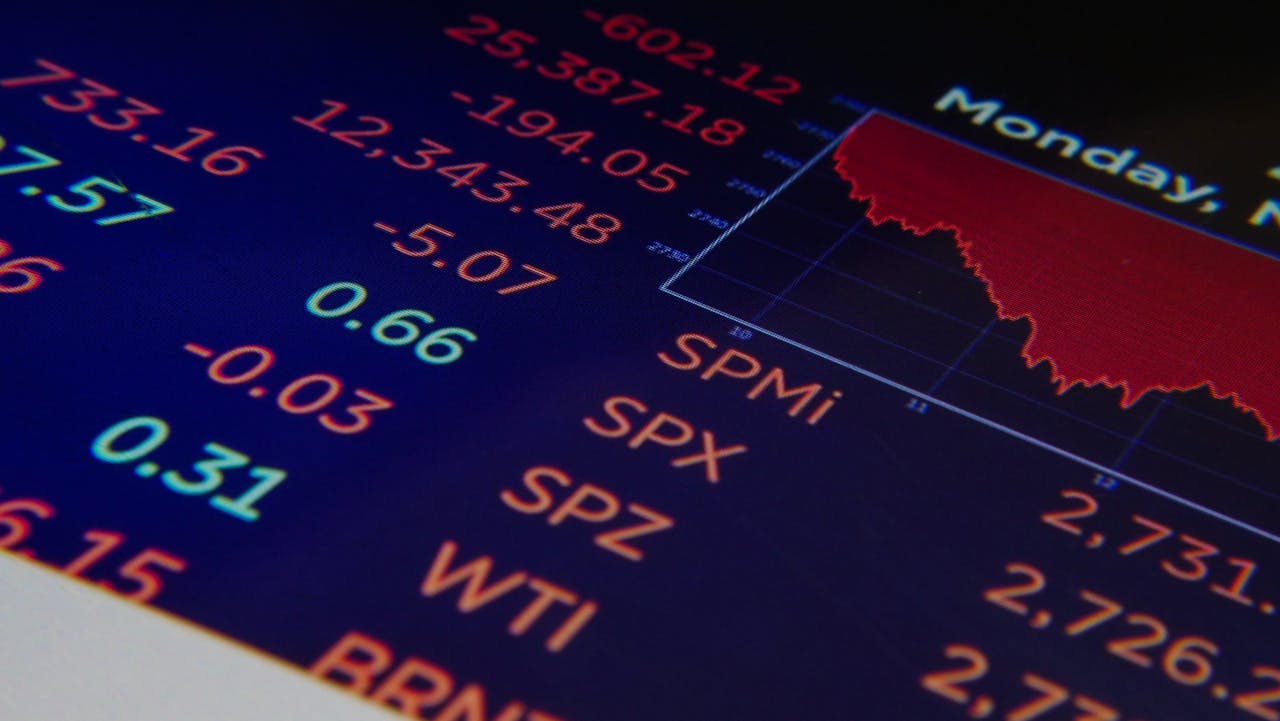
Asian stock markets traded mixed on Tuesday as technology shares followed overnight losses on Wall Street, while investors reacted to stronger-than-expected Japanese economic growth and ongoing geopolitical tensions in the Middle East. Market sentiment remained cautious due to inflation concerns linked to elevated oil prices and uncertainty surrounding global economic growth.
Wall Street’s Nasdaq closed lower overnight as rising crude oil prices fueled worries about inflation and the potential impact on interest rates. U.S. stock futures also moved slightly lower during Asian trading hours. Investors are now closely watching Nvidia’s upcoming quarterly earnings report, scheduled for Wednesday, which is expected to test the strength of the ongoing artificial intelligence-driven stock market rally. AI-related semiconductor stocks across Asia saw profit-taking ahead of the results.
Japan’s economy delivered stronger-than-expected growth in the first quarter of the year. Annualized GDP expanded by 2.1%, beating market expectations of 1.7%. The growth was supported by stronger private consumption and improved external demand. Capital expenditure increased 0.3% quarter-on-quarter, while the GDP price index climbed 3.4%, highlighting persistent inflation pressures in the country. Despite the upbeat data, analysts believe Japan’s economic momentum may slow in the coming quarters. Japan’s Nikkei 225 index fell 0.4%, while the broader TOPIX index gained 0.5%.
Oil prices eased slightly after U.S. President Donald Trump stated that he had paused a planned military strike on Iran, adding that there was a strong possibility of reaching a new nuclear agreement with Tehran. Brent crude retreated from highs above $110 per barrel but remained elevated amid supply concerns in the Strait of Hormuz.
Australia’s S&P/ASX 200 rose 1.1%, while Singapore’s Straits Times Index added 0.6%. Chinese markets were mostly flat, with the CSI 300 dropping 0.6% and the Shanghai Composite remaining steady. Hong Kong’s Hang Seng Index also traded sideways.
South Korea’s KOSPI index fell sharply by 3%, pressured by heavy losses in Samsung Electronics shares. Samsung stock dropped more than 5% as labor union negotiations resumed after previous talks failed. Investors remain concerned about the possibility of a strike that could disrupt semiconductor production operations.







