


 Canada Faces 50% U.S. Tariffs as Trade Tensions Threaten USMCA Talks
  Trump Says Kim Jong Un Responded to Outreach After US Scales Back South Korea Military Drills
  US CENTCOM Chief Praises USS Abraham Lincoln Crew Amid Mental Health Concerns
  Israel Strikes Syrian Airbase Near Aleppo, Raising Tensions With Turkey
  Trump Says Iran Talks Halted as Hormuz Dispute Pushes Oil Higher
  South Korea’s Lee Calls for Stronger Defence as US Eyes Reduced Joint Drills
  Gérald Darmanin Backs Édouard Philippe for 2027 French Presidential Election
  Migrants in Spain’s Ceuta Protest for Asylum, Refuse Return to Morocco
  Russia-Ukraine Drone Attacks Escalate as Strikes Hit Moscow, Kyiv and Romania
  U.S. Pressures Nations to Choose Sides in AI Race
  US Presses Netanyahu to Condemn West Bank Settler Siege
  DNC Makes South Carolina First in 2028 Democratic Primaries
  Israeli Airstrike Kills Six Palestinians in Gaza as Trump Peace Plan Stalls
  Trump Orders Reduction in U.S.-South Korea Military Drills, Citing Kim Jong Un Ties
  US Admiral Visits USS Abraham Lincoln as Carrier Prepares to End Deployment
  Lula Targets Brazil’s Gig Workers as Reelection Battle Takes Shape
  Erdogan Urges Trump to Resume Iran Talks, Offers Turkey’s Support for Peace Efforts


 Add as a preferred source on Google
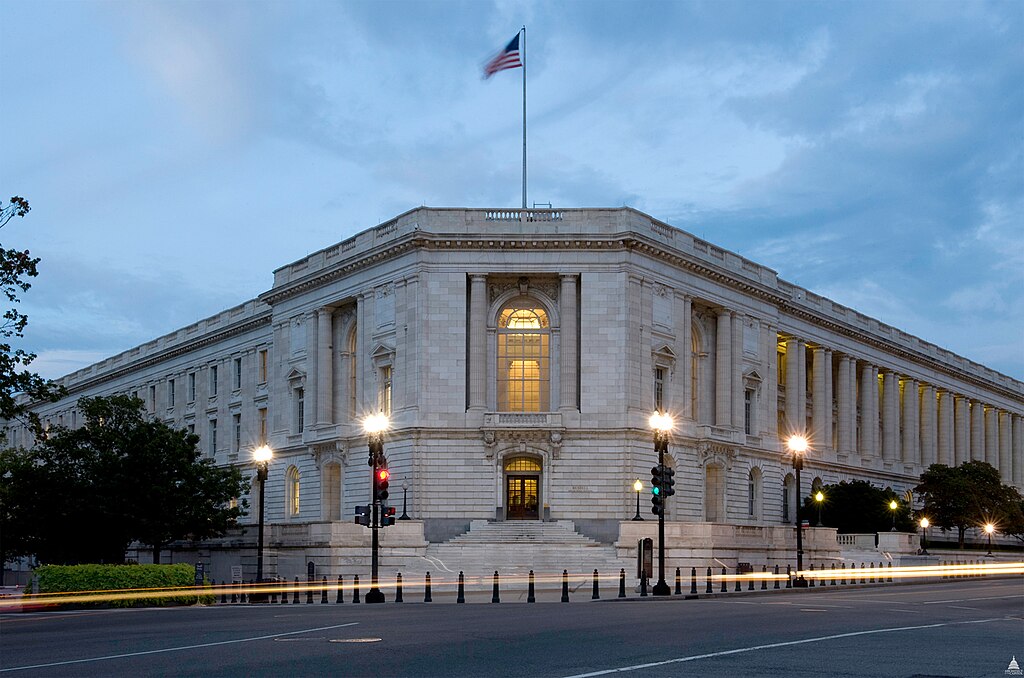
The U.S. Senate moved forward with a war-powers resolution aimed at limiting President Donald Trump’s authority to continue military operations against Iran without congressional approval. In a 50-47 procedural vote on Tuesday, four Republican senators joined nearly all Democrats in backing the measure, highlighting growing bipartisan concerns over the ongoing U.S.-Iran conflict.
The resolution, introduced by Democratic Senator Tim Kaine of Virginia, seeks to require Trump to obtain authorization from Congress before continuing military action against Iran. The vote marks a significant political setback for the president, coming 80 days after U.S. and Israeli forces began coordinated strikes against Iranian targets.
Although the Senate vote advanced the resolution, it still faces major obstacles before becoming law. The proposal must pass the Republican-controlled House of Representatives and would likely face a presidential veto. Overriding that veto would require a two-thirds majority in both chambers of Congress.
Kaine argued that recent ceasefire discussions create the ideal opportunity for Congress to debate future U.S. involvement in the conflict. He criticized Trump for allegedly dismissing diplomatic proposals from Tehran without consulting lawmakers.
The debate centers on the 1973 War Powers Resolution, which limits a president’s ability to conduct military operations for more than 60 days without congressional approval. Trump formally notified Congress of the conflict on February 28, triggering a May 1 deadline under the law. While Trump declared that hostilities had ended through a ceasefire, U.S. military actions in the region have reportedly continued, including naval operations targeting Iranian shipping routes.
Pennsylvania Senator John Fetterman was the only Democrat to oppose the measure. Republican senators Rand Paul, Susan Collins, Lisa Murkowski, and Bill Cassidy supported advancing the resolution.
Democrats argue the Constitution grants Congress — not the president — the power to declare war. Meanwhile, Republicans and the White House maintain Trump’s actions are lawful and necessary to protect U.S. national security interests.







