


 US Resumes Immigrant Visa Processing for Hungary, Poland
  Pentagon Restarts Testosterone Testing for US Troops
  Macron Challenges Trump’s Gaza Peace Claims at UN
  Gaza Faces Evacuation Crisis as War-Damaged Buildings Risk Collapse
  Russian Envoy Dmitriev Heads to US for Ukraine Talks
  U.S. Imposes New Visa Restrictions Over South Africa Policies
  US Judge Dismisses Imran Ahmed Deportation Lawsuit
  Trump Administration Plans Faster FDA Reviews for Smoke-Free Nicotine Products
  Saudi Arabia Shuts East-West Oil Pipeline After Drone Attack
  Australia Defends Social Media Algorithm Law Amid US Concerns
  Kremlin Says No Grounds Yet for Ukraine Peace Talks
  FAA Allows Boeing to Sell 35 More 777F Freighters Beyond 2028
  Iran Vows ‘Crushing’ Response as US Talks Continue
  Marco Rubio to Meet Russia’s Lavrov in New York
  US Immigration Arrests Surge as Deportations Lag Behind
  US Officials Split Over Response to Israeli West Bank Settlements
  Russian Strikes Kill Eight Across Ukraine as Energy Sites Hit


 Add as a preferred source on Google
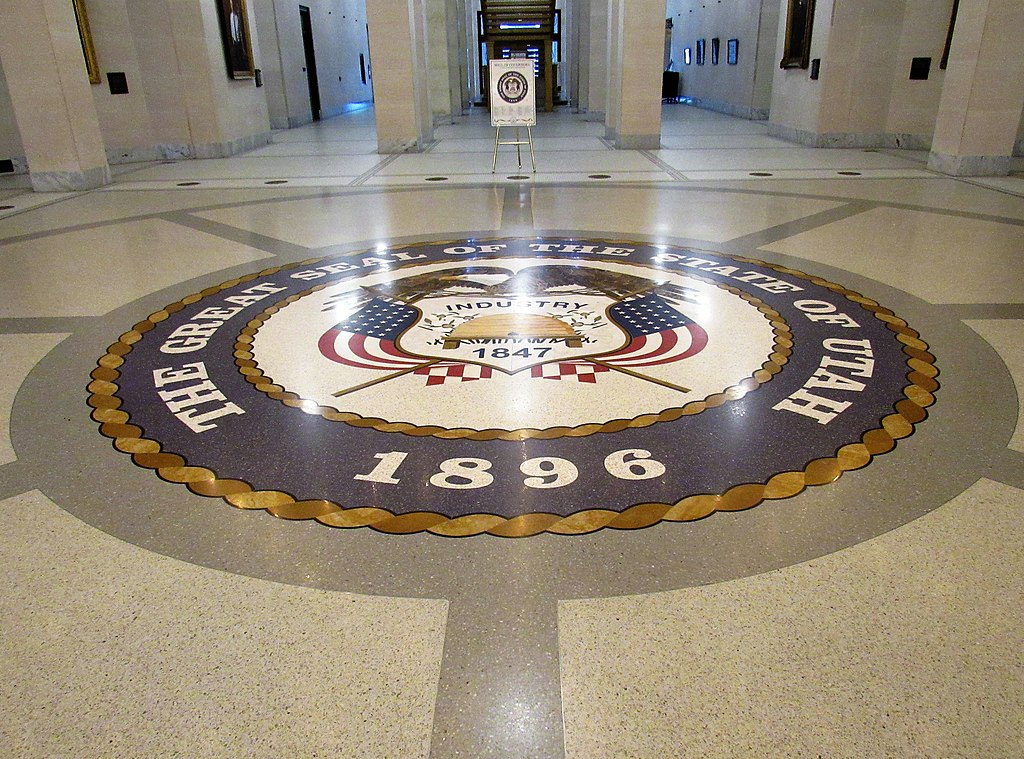
Utah Governor Spencer Cox has signed a law banning collective bargaining for public employees, including teachers, police officers, and firefighters, despite two weeks of protests at the state capitol in Salt Lake City. The ban, set to take effect on July 1, has sparked backlash from unions, who vow to challenge it.
Supporters argue that public-sector unions are inherently political and create conflicts of interest, potentially burdening taxpayers. Cox, a Republican, signed the bill as members of the Utah Education Association, representing 18,000 educators, staged a silent protest outside his office, accusing lawmakers of ignoring public outcry.
The bill, introduced by Republican Rep. Jordan Teuscher on January 18, swiftly passed the House and Senate, where Republicans hold a supermajority with 61 seats. Teuscher defended the legislation, claiming it protects democratic principles and enhances individual freedoms without eliminating unions. Public employees can still organize and receive union support, he noted.
Jack Tidrow, president of the Professional Firefighters of Utah, criticized the move, labeling Utah as the “most anti-labor state in America.” Opposition groups plan to pursue a ballot measure to overturn the law.
This development highlights the ongoing debate over labor rights, particularly for public employees, as states determine their own labor laws. With federal law safeguarding private-sector unions, Utah's decision sets a significant precedent in the national conversation on union power and workers' rights.







