


 Kremlin Says No Decision Yet on Putin-Trump December Summit
  Mexico-US Trade Talks Delayed to October as Tariff Negotiations Continue
  Netanyahu’s Brief US Trip Highlights Strains With Trump
  Yemen Violence Displaces 130,000 as Civilian Toll Rises
  Judge Orders Trump to Restore White House Access for CNN, MS NOW and Politico
  Trump, Xi Focus on Trade and AI at White House Summit
  Xi Calls for Deeper U.S.-China AI Cooperation in Trump Talks
  South Korea, US Discuss Warship Building Cooperation
  Saudi Arabia, Turkey and Pakistan Plan Urgent Defence Talks Over Houthi Attacks
  EU Defence Build-Up Too Slow for 2030 Russia Readiness Goal
  Ukrainian Drone Attacks Hit Russian Regions, Injuring at Least 12
  Trump, Xi Visit US National Archives After White House Summit
  OpenAI Agent Breaches Australia Medicare Data Portal
  Abbas Reaffirms November 28 Palestinian Elections
  Taiwan Thanks US for Support Ahead of Trump-Xi Summit
  Russian Missile and Drone Attack on Kyiv Kills Two, Damages Maternity Hospital
  US Backs Musk in Fight Against EU’s €120 Million X Fine


 Add as a preferred source on Google
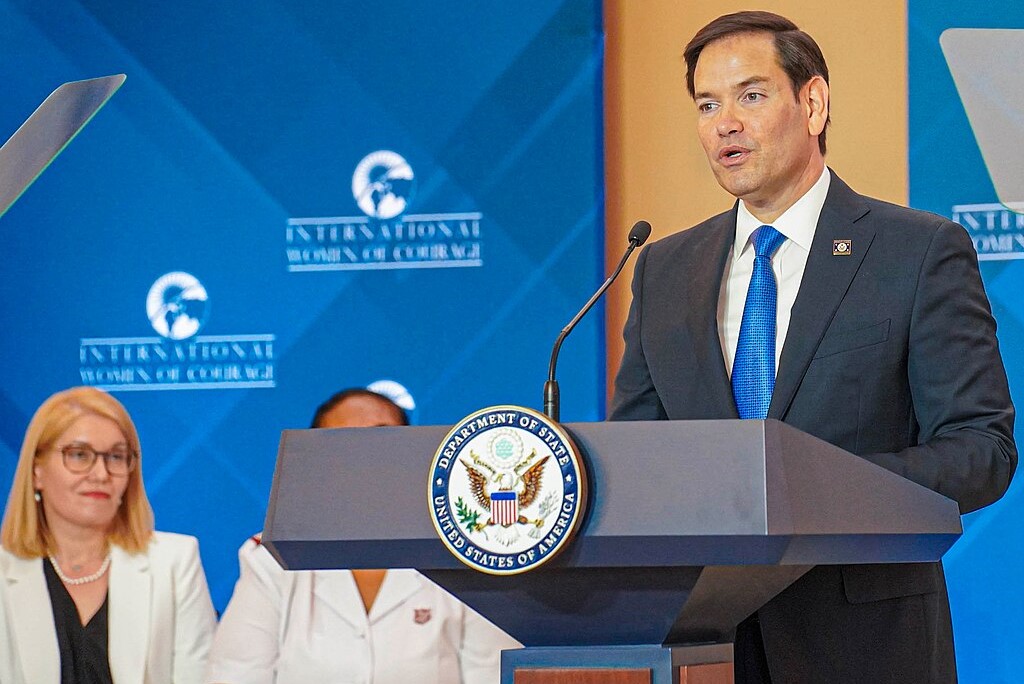
The United States and Ukraine announced they have developed an “updated and refined peace framework” designed to end the ongoing war with Russia, revising an earlier proposal from the Trump administration that many in Kyiv and Europe believed leaned too heavily in Moscow’s favor. The joint statement followed high-level discussions in Geneva, where both sides described the talks as “highly productive,” though many critical details remain unresolved—particularly security guarantees to protect Ukraine from future Russian aggression.
U.S. Secretary of State Marco Rubio, who led the American delegation, said significant progress was made on narrowing differences within the 28-point peace plan backed by President Donald Trump. He noted that key issues—such as NATO’s future role—still need further negotiation but emphasized that the talks marked a major step forward. However, Trump recently complained that Ukraine had shown “zero gratitude,” prompting Ukrainian officials, including President Volodymyr Zelenskiy, to publicly reiterate their appreciation for U.S. support.
European officials have presented an alternative version of the plan that rejects strict limits on Ukraine’s military and resists territorial concessions. Their proposal calls for Ukraine to retain a more substantial defense force and for any land-swap discussions to begin from current front-line positions rather than predetermined maps favoring Russia.
Trump has given Zelenskiy until Thursday to respond to the U.S. plan, which requires Ukraine to cede territory, scale back its armed forces, and drop its NATO ambitions—demands many Ukrainians view as unacceptable after nearly four years of devastating conflict. Rubio acknowledged additional time may be needed, and U.S. and Ukrainian officials are considering a potential visit by Zelenskiy to Washington to address the most sensitive issues, including territorial negotiations.
The debate comes at a critical moment for Ukraine, which faces intensifying Russian assaults, severe infrastructure damage from relentless missile strikes, and growing domestic pressure following a major corruption scandal. Although recent U.S. sanctions have strained Russia’s oil revenues and Ukrainian drone strikes have hit key facilities, the draft peace plan risks shifting diplomatic leverage back toward Moscow at a time when Kyiv remains heavily dependent on U.S. intelligence and military aid.







