


 Sudan Rejects US Legitimacy Remarks, Defends Sovereignty
  Judge Orders Trump to Restore White House Access for CNN, MS NOW and Politico
  Russian Missile and Drone Attack on Kyiv Kills Two, Damages Maternity Hospital
  Kremlin Says No Grounds Yet for Ukraine Peace Talks
  Gaza Faces Evacuation Crisis as War-Damaged Buildings Risk Collapse
  South Korea, US Discuss Warship Building Cooperation
  France Defends Netanyahu Airspace Clearance Despite ICC Warrant
  OpenAI Agent Breaches Australia Medicare Data Portal
  Europe Warns Russia Is Escalating Hybrid Attacks Across NATO
  Iran Vows ‘Crushing’ Response as US Talks Continue
  Lula and Flavio Bolsonaro Tied in Brazil Runoff Poll
  Venezuela Promises Elections as Delcy Rodriguez Pledges Democratic Transition
  Trump Board of Peace Unveils $2.45 Billion Gaza Recovery Plan
  North Korea Rejects Nuclear Test Warning, Calls Nuclear Status Irreversible
  US Officials Split Over Response to Israeli West Bank Settlements
  Kremlin Says No Decision Yet on Putin-Trump December Summit
  US Senate Rejects Iran War Powers Resolution in 50-49 Vote


 Add as a preferred source on Google
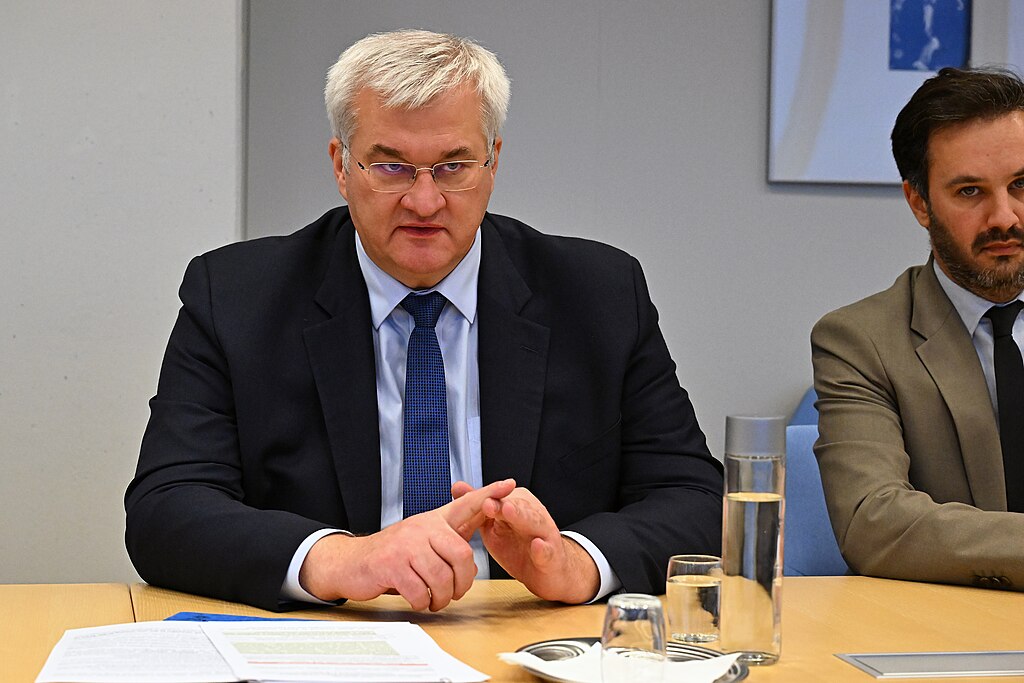
Ukrainian Foreign Minister Andrii Sybiha announced that Kyiv supports Washington’s proposal for a 30-day ceasefire after high-level talks with U.S. officials in Saudi Arabia. The discussions, lasting over eight hours, led to the United States agreeing to resume military aid and intelligence sharing with Ukraine.
Following the Jeddah meeting, Sybiha briefed several European leaders, including British Foreign Secretary David Lammy and EU foreign policy chief Kaja Kallas, emphasizing Europe’s essential role in any long-term security discussions. "No decisions on Europe's security should be made without Europe," Sybiha stated.
On Wednesday, Sybiha is set to meet Polish Foreign Minister Radoslaw Sikorski in Warsaw. Poland, a NATO member and key ally of Ukraine, has consistently supported Kyiv, although public backing for military assistance has declined.
The U.S.-Ukraine agreement marks a shift from the tense February 28 meeting between U.S. President Donald Trump, a long-time skeptic of Ukraine aid, and Ukrainian President Volodymyr Zelenskiy. Although Zelenskiy did not attend the Saudi talks, he welcomed the ceasefire proposal, which would cover all combat zones, including land, air, and sea.
"Now, the U.S. must persuade Russia to do the same," Zelenskiy said in his nightly address, adding that if Moscow agrees, the ceasefire would take immediate effect.
This development comes as diplomatic efforts intensify to de-escalate the three-year conflict. The success of the ceasefire depends on Russia’s response, making the next steps crucial for regional stability.







