


 Yemen Violence Displaces 130,000 as Civilian Toll Rises
  Mexico-US Trade Talks Delayed to October as Tariff Negotiations Continue
  Trump, Xi Focus on Trade and AI at White House Summit
  US Invites Putin to Miami G20, Opening Door to Trump Summit
  US Backs Musk in Fight Against EU’s €120 Million X Fine
  North Korea Rejects Nuclear Test Warning, Calls Nuclear Status Irreversible
  France Defends Netanyahu Airspace Clearance Despite ICC Warrant
  Sudan Rejects US Legitimacy Remarks, Defends Sovereignty
  EU Defence Build-Up Too Slow for 2030 Russia Readiness Goal
  Venezuela Promises Elections as Delcy Rodriguez Pledges Democratic Transition
  Europe Warns Russia Is Escalating Hybrid Attacks Across NATO
  US Officials Split Over Response to Israeli West Bank Settlements
  Abbas Reaffirms November 28 Palestinian Elections
  Taiwan Thanks US for Support Ahead of Trump-Xi Summit
  Netanyahu Takes Aim at Mamdani as Israel Election Nears
  NATO Boosts Intelligence Sharing Amid Russia Hybrid Threats
  Russian Envoy Dmitriev Heads to US for Ukraine Talks


 Add as a preferred source on Google
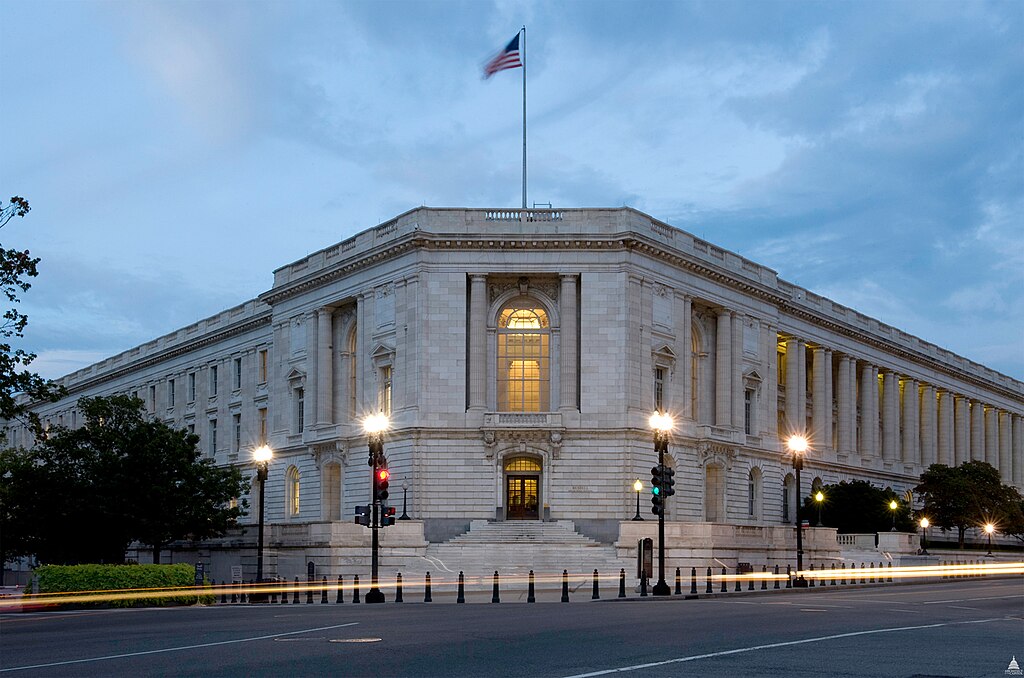
The U.S. Senate narrowly rejected a resolution seeking to require President Donald Trump to end U.S. hostilities against Iran or obtain congressional authorization, highlighting divisions over presidential war powers weeks before the November midterm elections.
Senators voted 50-49 against the measure on Thursday. Four Republicans — Susan Collins of Maine, Rand Paul of Kentucky, Thom Tillis of North Carolina and Lisa Murkowski of Alaska — joined most Democrats in supporting the resolution. Democratic Senator John Fetterman of Pennsylvania voted against it.
The measure had previously passed the House of Representatives and called for U.S. forces to be removed from hostilities involving Iran unless Congress explicitly authorized military action.
The vote comes as the Iran conflict becomes an increasingly prominent issue ahead of the November 3 midterm elections. A Reuters/Ipsos poll conducted this month found that only 34% of respondents approved of U.S. strikes on Iran.
Democrats have repeatedly pushed war powers resolutions to force lawmakers to publicly state their positions on the conflict. They argue that Congress has constitutional authority over declarations of war and that the Trump administration should obtain explicit authorization for continued military operations.
Republicans supporting Trump have generally argued that the president has sufficient authority as commander-in-chief to conduct the military campaign.
Still, some Republicans have increasingly broken with their party on Iran. Thursday marked Tillis’ first support for an Iran war powers resolution, while Collins, Paul and Murkowski have backed previous congressional efforts to restrict military action.
The Senate has repeatedly considered measures challenging Trump’s Iran war authority since U.S. and Israeli forces began strikes in February. Previous resolutions have produced shifting levels of bipartisan support but have had limited practical effect on White House policy.
The latest vote underscores how the Iran war and presidential war powers remain significant congressional issues as lawmakers head into the final stretch of the 2026 midterm campaign.







