


 U.S. 10-Year Treasury Yield Hits 2007 High as Fed Rate Hike Bets Rise
  Wall Street Falls as Treasury Yields Surge, Oil Rebounds on Iran Tensions
  Oil Prices Surge as U.S.-Iran Diplomacy Hopes Fade
  Japanese Bank Stocks Surge as Bond Yields Fuel Rate Hike Bets
  European Stocks Fall as Bond Yields and Geopolitical Risks Weigh
  South Korea, US Discuss Warship Building Cooperation
  Mexico-US Trade Talks Delayed to October as Tariff Negotiations Continue
  RBI Uses $10 Billion Currency Swaps to Drain Excess Rupee Liquidity
  Fed Unveils Stablecoin Rules Under GENIUS Act
  Wall Street Ends Flat as Oil, Treasury Yields and Fed Jitters Rattle Markets
  China’s ‘Lipstick King’ Says AI Won’t Replace Livestream Hosts
  U.S. Dollar Hits Two-Month High as Oil, Treasury Yields Surge
  Gold Holds Near $4,275 as Rising Treasury Yields Fuel Fed Rate Hike Bets
  Russian Envoy Dmitriev Heads to US for Ukraine Talks
  Oil Prices Jump 3% as Houthi Attack Revives Supply Fears
  Asian Currencies Mixed as Dollar Holds Near Two-Month High
  US 10-Year Treasury Yield at 6% Emerges as New Market Risk Threshold


 Add as a preferred source on Google
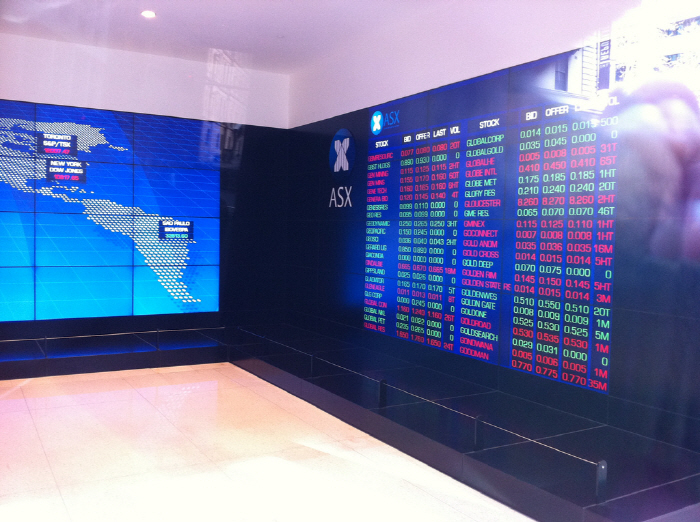
Australia’s corporate regulator has warned the country’s rapidly expanding pension fund industry that it must significantly increase investment in systems, technology, and governance to safeguard its future and avoid problems similar to those faced by the Australian Securities Exchange (ASX).
The Australian Securities and Investments Commission (ASIC) said the superannuation sector, currently valued at around A$4.5 trillion, is projected to grow to A$6 trillion by 2030. At that level, Australia’s pension fund industry would surpass the nation’s banking system in size, making it a critical pillar of the financial system and increasing the importance of operational resilience, technology capability, and strong governance frameworks.
ASIC Commissioner Simone Constant warned that some superannuation funds may not be adequately prepared for the scale and complexity that lies ahead. As more Australians retire and begin drawing down their retirement savings, pension funds will face growing pressure on their systems, data management, and operational capacity. Constant pointed to the ASX as a cautionary example, noting that inadequate technology investment and a failure to adopt a forward-looking approach had contributed to ongoing operational issues.
The ASX has faced years of criticism following a failed software upgrade and repeated trading system disruptions. In December, ASIC imposed an additional A$150 million capital charge on the exchange after an inquiry raised concerns about its ability to operate secure and resilient market infrastructure. Regulators have questioned whether the ASX has kept pace with its critical role in Australia’s financial markets.
Meanwhile, the Australian Prudential Regulation Authority (APRA) has also raised concerns about governance weaknesses within the superannuation and wealth management sector. APRA Deputy Chair Margaret Cole said recent collapses of managed investment schemes highlighted deficiencies in investment governance, particularly around onboarding and monitoring of investment options offered to members. These failures resulted in financial losses for retirees who transferred their savings into the affected products.
Regulators have previously urged the pension fund industry to accelerate preparations for an estimated 2.5 million Australians expected to retire over the next decade. With retirement savings playing an increasingly central role in financial stability, authorities say stronger technology, governance, and operational practices are essential to protect members and the broader economy.







