


 BOJ May Raise Japan Growth Forecast While Keeping Focus on Inflation Risks
  Fed Reaffirms 2% Inflation Goal, Vows Forceful Action to Anchor Price Expectations
  Japanese Yen Rises as Pension Fund Plan and BOJ Rate Hike Bets Weigh on Dollar
  Trump, Canada Reach Gordie Howe Bridge Deal Ahead of July 27 Opening
  Gold Prices Slip as U.S.-Iran Conflict, Fed Rate Hike Bets Pressure Precious Metals
  Asian Currencies Weaken as Stronger Dollar Weighs, Yen Supported by GPIF Repatriation Hopes
  Iran Says It Closes Strait of Hormuz After Warning Shot at Vessel
  Israeli Strikes Kill Six in Gaza as Ceasefire Talks Continue in Cairo
  Iraq PM Visits Washington as U.S. Oil, Gas Deals Take Center Stage
  Dollar Ends Week Higher as Yen Jumps on Japan Pension Fund Investment Plans
  South Korea’s KOSPI Triggers Trading Curb as AI Chip Stock Selloff Deepens
  North Korea Expands Nuclear Forces as Kim Jong Un Pushes Military Modernization
  Ann Widdecombe Murder: Police Arrest Second Suspect, Rule Out Terrorism Motive
  Lindsey Graham Urges China to Pressure Russia Into Ukraine Peace Talks
  US-Iran Strikes Escalate as Strait of Hormuz Crisis Pushes Oil Prices Higher
  Gold Price Climbs Over 1% as Dollar Weakens, Fed Rate Debate and Iran Tensions Remain in Focus


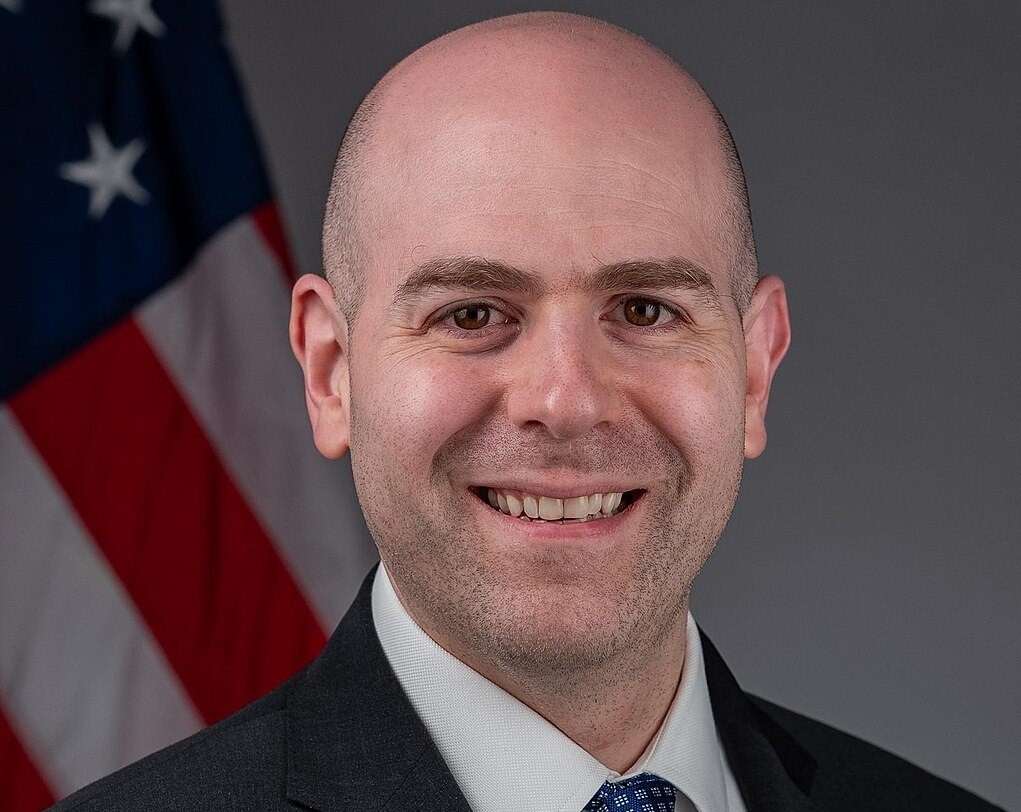
Federal Reserve Governor Stephen Miran has formally resigned from his role as chair of the White House Council of Economic Advisers (CEA), fulfilling a commitment he made to the U.S. Senate as his tenure at the Federal Reserve extends beyond its initial timeframe. Miran’s resignation, dated Tuesday, comes as scrutiny continues over the independence of the central bank and its relationship with the Trump administration.
Miran had been serving on unpaid leave from the CEA after President Donald Trump appointed him last year to fill an unexpected vacancy on the Federal Reserve’s Board of Governors. That appointment was initially set to expire on January 31, and Miran had argued that he was not legally required to resign from the CEA given the temporary nature of the role. However, Democratic senators criticized the arrangement, warning it could undermine the Fed’s independence and turn Miran into a political extension of the White House.
In his resignation letter, reviewed by Reuters, Miran emphasized his pledge to lawmakers. He stated that he believed it was important to honor his word and formally step down from the CEA now that his service on the Fed is continuing. Under federal law, Miran can remain on the Board of Governors until a successor is confirmed by the Senate.
The development follows President Trump’s announcement that he plans to nominate former Federal Reserve Governor Kevin Warsh as the next Fed chair, replacing Jerome Powell when Powell’s leadership term ends in May. Warsh’s nomination has already sparked controversy, as a majority of the Senate Banking Committee has raised concerns about ongoing Department of Justice investigations involving current Fed officials.
Miran has consistently advocated for sharply lower interest rates since joining the Federal Reserve last September, aligning with Trump’s public calls for easier monetary policy. Meanwhile, questions remain about the future leadership of the CEA, as the White House has not commented on whether acting chair Pierre Yared will be permanently appointed.
The resignation underscores the heightened political tension surrounding the Federal Reserve, interest rate policy, and the broader debate over central bank independence in the United States.







