


 Jared Isaacman Confirmed as NASA Administrator, Becomes 15th Leader of U.S. Space Agency
  FDA Adds Fatal Risk Warning to J&J and Legend Biotech’s Carvykti Cancer Therapy
  Neuralink Plans High-Volume Brain Implant Production and Fully Automated Surgery by 2026
  Ancient Mars may have had a carbon cycle − a new study suggests the red planet may have once been warmer, wetter and more favorable for life
  Trump Signs Executive Order to Boost AI Research in Childhood Cancer
  SpaceX Starship Test Flight Reaches New Heights but Ends in Setback
  Is space worth the cost? Accounting experts say its value can’t be found in spreadsheets
  CDC Vaccine Review Sparks Controversy Over Thimerosal Study Citation
  Trump and Merck KGaA Partner to Slash IVF Drug Costs and Expand Fertility Coverage
  Astronomers have discovered another puzzling interstellar object − this third one is big, bright and fast


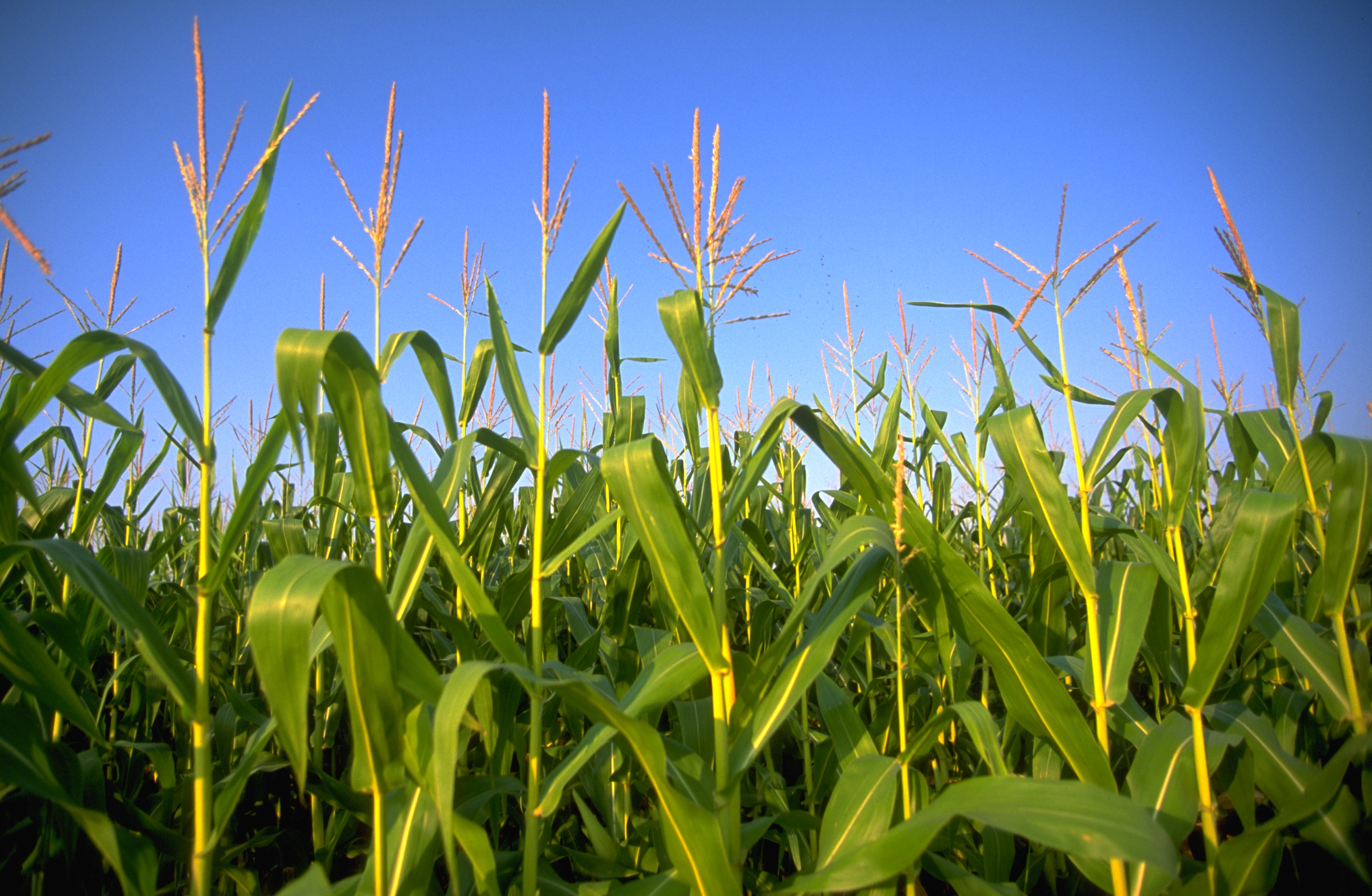
In case anyone was wondering what the United States Department of Agriculture (USDA) was doing with all of the genetic engineering that’s going on in the world of food, the answer is absolutely nothing. The agency recently released a statement that emphatically confirms that it was cool with scientists tampering with the genetic code of crops and stuff.
In a statement released recently, U.S. Secretary of Agriculture Sonny Perdue clarified his agency’s stance on genetically-edited crops. Apparently, Perdue and his team believe that this particular method of producing food is just as safe as what is produced using conventional methods.
“With this approach, USDA seeks to allow innovation when there is no risk present,” Perdue said. “At the same time, I want to be clear to consumers that we will not be stepping away from our regulatory responsibilities. While these crops do not require regulatory oversight, we do have an important role to play in protecting plant health by evaluating products developed using modern biotechnology. This is a role USDA has played for more than 30 years, and one I will continue to take very seriously, as we work to modernize our technology-focused regulations.”
As Futurism notes, genetically-edited crops are not the same as genetically modified organisms (GMO). The former basically involves splicing certain characteristics out or into crops so that only some parts of them change. GMOs, on the other hand, can basically be considered entirely different species because they involve mixing characteristics from different organisms to produce certain effects.
Both are largely considered by the scientific community as safe, but they are not the same. There’s the matter of GMOs being widely feared and criticized, for one thing, while genetically-edited food is still in its infancy.
The reason why the USDA doesn’t see both practices as the same thing is essentialy because of the purpose behind them. Editing the genes of crops can result in improved production efficiency and reduced undesirable characteristics. GMOs can result in entirely different organisms.













