


 What ‘Taiwan Independence’ Means as Xi Presses Trump on US Policy
  US Backs Musk in Fight Against EU’s €120 Million X Fine
  Pope Leo Backs Press Freedom After White House Media Ban
  Netanyahu Defends Israel at UN as Delegates Stage Walkout
  EU Defence Build-Up Too Slow for 2030 Russia Readiness Goal
  Netanyahu’s Brief US Trip Highlights Strains With Trump
  North Korea Rejects Nuclear Test Warning, Calls Nuclear Status Irreversible
  Trump, Xi Visit US National Archives After White House Summit
  Abbas Reaffirms November 28 Palestinian Elections
  Pezeshkian Says US Must Choose When Iran War Ends
  Pope Leo Warns UN, Multilateral Groups Face Crisis
  France Defends Netanyahu Airspace Clearance Despite ICC Warrant
  Trump, Xi Focus on Trade and AI at White House Summit
  Yemen Violence Displaces 130,000 as Civilian Toll Rises
  Evan Gershkovich Says FSB Set Trap for 2023 Russia Arrest
  Najib Razak Seeks Stay of 15-Year 1MDB Prison Sentence


 Add as a preferred source on Google
The United States has approved expanded intelligence-sharing with Ukraine, allowing Kyiv to carry out long-range missile strikes against Russia’s vital energy infrastructure, according to the Wall Street Journal. This marks the first time Washington will directly support Ukrainian attacks on targets such as oil refineries, pipelines, and power stations—key sources of revenue for Moscow’s war effort. U.S. officials are also urging NATO allies to provide similar assistance.
While Washington has long provided battlefield intelligence to Ukraine, the new authorization is designed to weaken the Kremlin’s financial lifeline from oil and gas exports. The move came shortly before President Donald Trump publicly stated that Ukraine, with European Union backing, could potentially reclaim all its occupied territory. In his recent social media post following a meeting with President Volodymyr Zelenskiy, Trump emphasized that Russia’s economic strain could tip the balance in Ukraine’s favor.
In parallel, Ukraine has requested advanced weaponry, including Tomahawk missiles with a range of 2,500 kilometers—capable of reaching Moscow and much of Russia from Ukrainian territory. Kyiv has also begun limited production of its own long-range missile, dubbed the Flamingo, though details remain scarce.
The development underscores growing Western efforts to undermine Russia’s wartime economy. Energy exports remain Moscow’s largest source of income, despite heavy sanctions imposed since the invasion began in February 2022. To intensify pressure, Trump has imposed tariffs on Indian imports to dissuade purchases of discounted Russian crude and urged countries like Turkey to halt oil trade with Moscow. Meanwhile, the Group of Seven finance ministers pledged new steps to target buyers and facilitators of Russian oil.
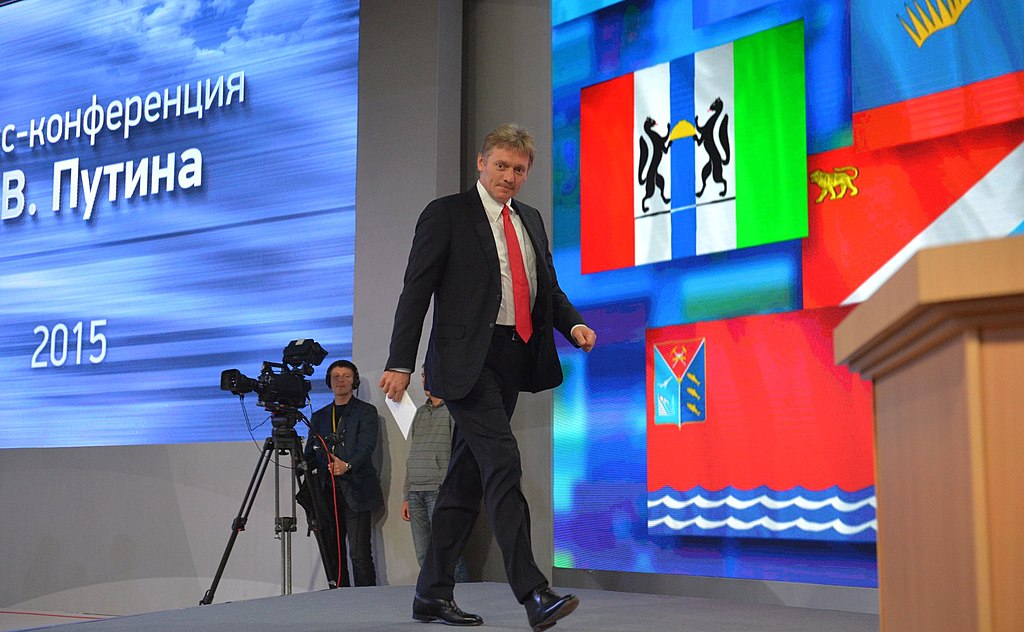
Kremlin spokesman Dmitry Peskov dismissed Western pressure, asserting that trade decisions rest with Russia’s partners. However, U.S. officials stress that by restricting energy revenues, Ukraine’s allies can strike at the heart of Russia’s ability to sustain its war.







