


 Japan Private-Sector Growth Slows as Domestic Demand Weakens
  Russian Envoy Dmitriev Heads to US for Ukraine Talks
  Gaza Faces Evacuation Crisis as War-Damaged Buildings Risk Collapse
  Trump, Xi Focus on Trade and AI at White House Summit
  France Defends Netanyahu Airspace Clearance Despite ICC Warrant
  Yemen Violence Displaces 130,000 as Civilian Toll Rises
  North Korea Rejects Nuclear Test Warning, Calls Nuclear Status Irreversible
  U.S. 10-Year Treasury Yield Hits 2007 High as Fed Rate Hike Bets Rise
  Gold Drops Over 1% as Dollar, Treasury Yields Surge on Fed Rate Hike Bets
  US Dollar Hits Two-Month High as Fed Rate Hike Bets Rise
  Asian Stocks Fall as Bond Yields Surge Ahead of Trump-Xi Summit
  US Stock Futures Fall as Treasury Yields Surge Ahead of Trump-Xi Summit
  North Korea Warns South Korea Over US-Led Defense Role
  Oil Prices Jump 3% as Houthi Attack Revives Supply Fears
  South Korea, US Discuss Warship Building Cooperation
  Russian Missile and Drone Attack on Kyiv Kills Two, Damages Maternity Hospital
  Wall Street Ends Flat as Oil, Treasury Yields and Fed Jitters Rattle Markets


 Add as a preferred source on Google
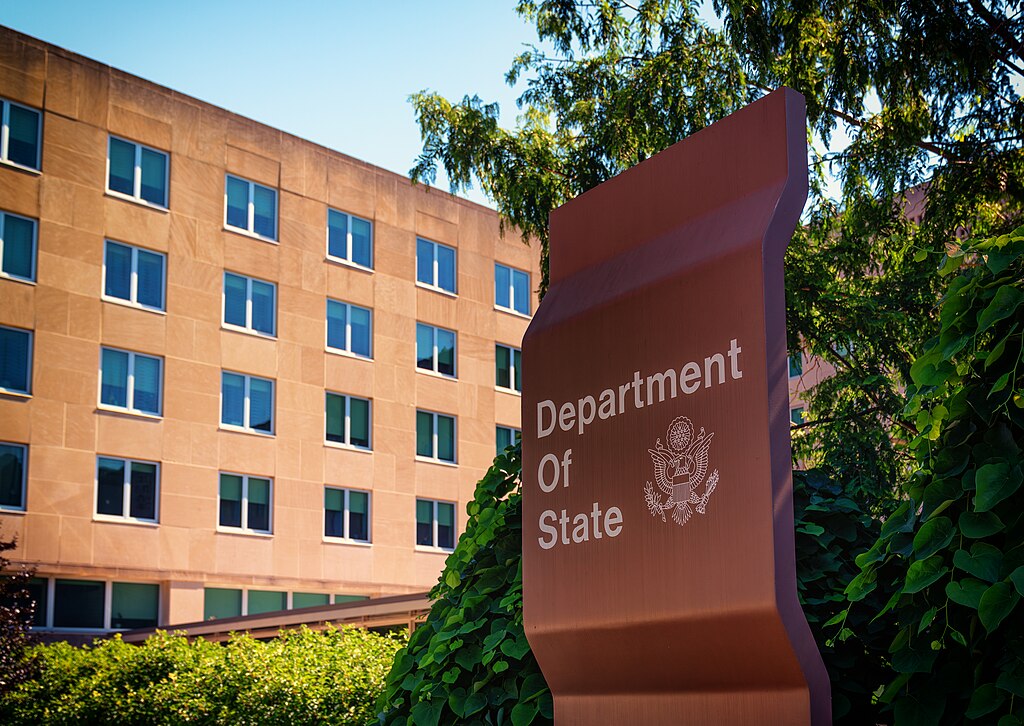
The United States and the Philippines are set to develop a massive 4,000-acre (1,620 hectares) industrial hub as part of a growing Washington-led effort to secure global AI and semiconductor supply chains. The announcement came from the U.S. State Department following Manila's official entry into Pax Silica, a strategic program designed to protect critical technology supply chains from minerals extraction to advanced manufacturing and data infrastructure.
With this move, the Philippines becomes the 13th nation to sign onto Pax Silica, joining a coalition that includes Australia, Finland, India, Qatar, South Korea, and Singapore. The initiative is widely regarded as a cornerstone of the Trump administration's economic statecraft agenda, which seeks to reduce American dependence on rival nations while deepening ties with trusted allies.
The planned industrial hub will be located within the Luzon Economic Corridor, a dynamic economic zone encompassing the capital Manila and surrounding industrial and manufacturing regions. This corridor is also part of a broader trilateral infrastructure investment commitment involving the Philippines, Japan, and the United States, positioning it as a major node in allied supply chain networks.
According to the State Department, the facility is intended to function as a dedicated platform for allied manufacturing operations. Both governments have expressed strong commitment to reinforcing shared supply chains across critical minerals, semiconductors, and electronics — sectors considered vital to national security and technological competitiveness.
The development reflects the deepening bilateral relationship between Manila and Washington under Philippine President Ferdinand Marcos Jr., who has increasingly aligned his country with U.S. strategic interests. Beyond economic cooperation, the Philippines plays a pivotal role in Washington's broader efforts to address China's growing assertiveness in the South China Sea, making this partnership significant on both economic and geopolitical fronts.







