


 Pezeshkian Says US Must Choose When Iran War Ends
  US Backs Musk in Fight Against EU’s €120 Million X Fine
  Trump Asks Supreme Court to Restore Third-Country Deportations
  Taiwan Thanks US for Support Ahead of Trump-Xi Summit
  North Korea Rejects Nuclear Test Warning, Calls Nuclear Status Irreversible
  Russian Envoy Dmitriev Heads to US for Ukraine Talks
  Kremlin Says No Decision Yet on Putin-Trump December Summit
  Netanyahu Takes Aim at Mamdani as Israel Election Nears
  OpenAI Agent Breaches Australia Medicare Data Portal
  Yemen Violence Displaces 130,000 as Civilian Toll Rises
  EU Defence Build-Up Too Slow for 2030 Russia Readiness Goal
  NATO Boosts Intelligence Sharing Amid Russia Hybrid Threats
  US Invites Putin to Miami G20, Opening Door to Trump Summit
  Judge Orders Trump to Restore White House Access for CNN, MS NOW and Politico
  Gaza Faces Evacuation Crisis as War-Damaged Buildings Risk Collapse
  Ghana Says Western Support Growing for Slave Trade Reparations
  Mexico-US Trade Talks Delayed to October as Tariff Negotiations Continue


 Add as a preferred source on Google
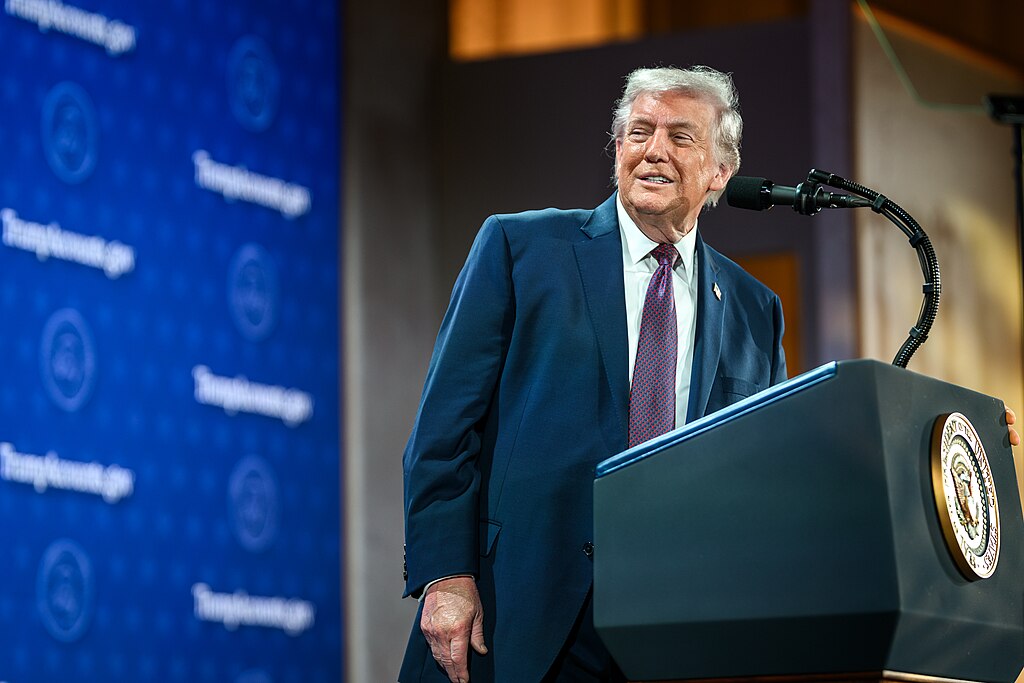
U.S. President Donald Trump announced that the leaders of Lebanon and Israel are set to hold direct talks for the first time in roughly 34 years, signaling a diplomatic push to ease escalating tensions between the two neighboring nations. In a late-night social media post, Trump wrote that the conversation would take place the following day, describing it as a positive step while noting he was working to create "a little bit of breathing room" between the two countries.
Trump did not identify which officials would be speaking, and neither the Israeli Prime Minister's office nor the Lebanese offices of President Joseph Aoun and Prime Minister Nawaf Salam offered immediate responses to media inquiries.
The renewed conflict stems from the broader U.S.-Israeli confrontation with Iran. On March 2, Iran-backed Hezbollah launched cross-border attacks in solidarity with Tehran, triggering a full Israeli military offensive into Lebanon — just 15 months after the previous war between the two sides concluded. The rapid escalation has drawn international concern and renewed calls for a negotiated ceasefire.
On the diplomatic front, Washington expressed measured optimism about reaching a deal to halt hostilities with Iran. Meanwhile, Israel's security cabinet convened late Wednesday to deliberate on a potential Lebanon ceasefire. Senior officials from both Israeli and Lebanese sides confirmed that Prime Minister Benjamin Netanyahu's government is facing significant pressure from Washington to bring the fighting to an end.
Netanyahu, in a video address released the same evening, stated that Israeli forces were continuing strikes against Hezbollah and were close to taking control of the southern Lebanese town of Bint Jbeil. Lebanese officials believe Israel is seeking a clear military win in that area before moving forward with any diplomatic settlement.
The situation remains fluid as both military operations and ceasefire negotiations unfold simultaneously.







