


 Ukrainian Drone Attacks Hit Russian Regions, Injuring at Least 12
  South Korea, US Discuss Warship Building Cooperation
  Trump, Xi Visit US National Archives After White House Summit
  Xi Calls for Deeper U.S.-China AI Cooperation in Trump Talks
  North Korea Rejects Nuclear Test Warning, Calls Nuclear Status Irreversible
  Najib Razak Seeks Stay of 15-Year 1MDB Prison Sentence
  Saudi Arabia, Turkey and Pakistan Plan Urgent Defence Talks Over Houthi Attacks
  OpenAI Agent Breaches Australia Medicare Data Portal
  Trump Asks Supreme Court to Restore Third-Country Deportations
  Netanyahu’s Brief US Trip Highlights Strains With Trump
  EU Defence Build-Up Too Slow for 2030 Russia Readiness Goal
  NATO Boosts Intelligence Sharing Amid Russia Hybrid Threats
  Yemen Violence Displaces 130,000 as Civilian Toll Rises
  Mexico-US Trade Talks Delayed to October as Tariff Negotiations Continue
  Netanyahu Defends Israel at UN as Delegates Stage Walkout
  US Backs Musk in Fight Against EU’s €120 Million X Fine
  Abbas Reaffirms November 28 Palestinian Elections


 Add as a preferred source on Google
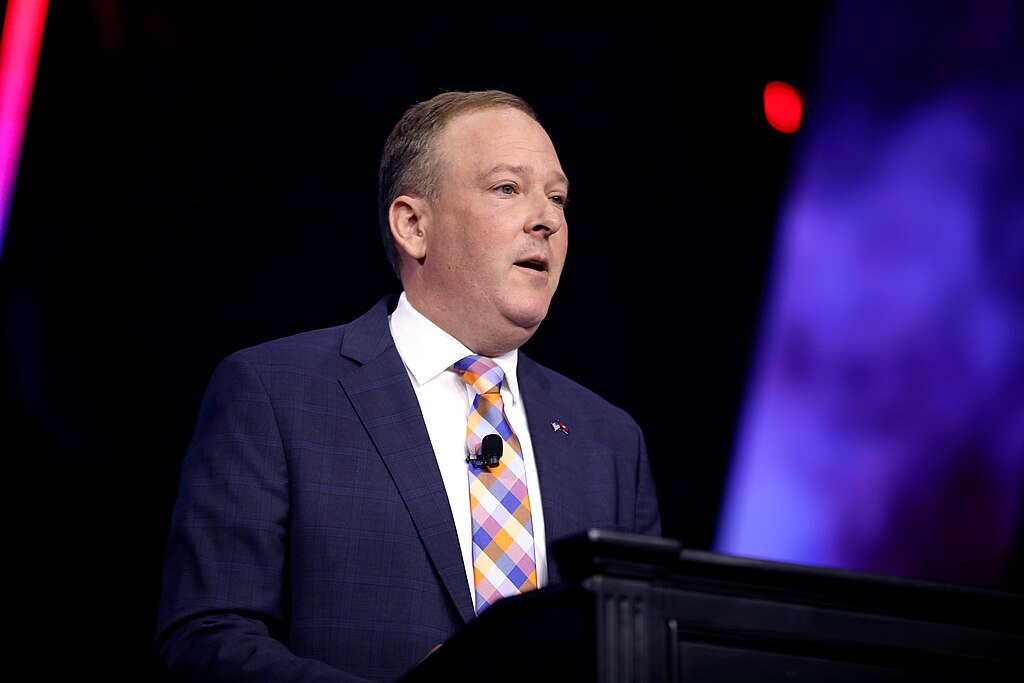
The United States and Mexico have reached a landmark agreement to tackle the decades-long sewage contamination from Tijuana flowing into the Pacific Ocean near San Diego. The memorandum of understanding, signed Thursday in Mexico City by U.S. Environmental Protection Agency (EPA) Administrator Lee Zeldin and Mexican Environment Minister Alicia Barcena, commits both nations to accelerated infrastructure upgrades and long-term solutions.
Mexico pledged to expedite $93 million in improvements to Tijuana’s sewage system, with several projects now scheduled for completion four years earlier than planned. The upgrades will address future population growth and critical maintenance needs. Concurrently, the U.S. will release funds to complete the expansion of its border sewage treatment plant by the end of August, boosting capacity from 25 million to 35 million gallons per day.
The cross-border sewage problem has plagued the Tijuana River and Imperial Beach for years, often forcing beach closures and harming local tourism. According to the International Boundary and Water Commission, up to 50 million gallons of sewage-contaminated water flows toward Imperial Beach daily, with roughly half consisting of untreated waste.
Barcena also confirmed Mexico’s plan to double capacity at the San Antonio de los Buenos plant, located just south of the border, which previously discharged 23 million gallons of untreated sewage into the ocean.
Officials hailed the deal as a breakthrough in bilateral cooperation amid broader tensions over immigration and drug trafficking. Zeldin called the agreement “a huge win” for millions on both sides of the border seeking an end to the environmental crisis. The improvements are expected to significantly reduce pollution and restore safe water access to coastal communities long affected by this transboundary issue.







