


 South Korea, US Discuss Warship Building Cooperation
  Mexico-US Trade Talks Delayed to October as Tariff Negotiations Continue
  Russian Missile and Drone Attack on Kyiv Kills Two, Damages Maternity Hospital
  Trump to Press Xi on Release of US Nuclear Expert Held in China
  Zelenskiy Warns Russia Preparing Major Attack on Ukraine
  Kremlin Says No Decision Yet on Putin-Trump December Summit
  Iran Vows ‘Crushing’ Response as US Talks Continue
  Taiwan Vows to Advance US Arms Sales Ahead of Trump-Xi Meeting
  Netanyahu Takes Aim at Mamdani as Israel Election Nears
  Trump Board of Peace Unveils $2.45 Billion Gaza Recovery Plan
  US Officials Split Over Response to Israeli West Bank Settlements
  Macron Challenges Trump’s Gaza Peace Claims at UN
  Judge Orders Trump to Restore White House Access for CNN, MS NOW and Politico
  Marco Rubio to Meet Russia’s Lavrov in New York
  Trump Says ‘Freedom’ Is Coming to Cuba
  Lula and Flavio Bolsonaro Tied in Brazil Runoff Poll
  Russian Envoy Dmitriev Heads to US for Ukraine Talks


 Add as a preferred source on Google
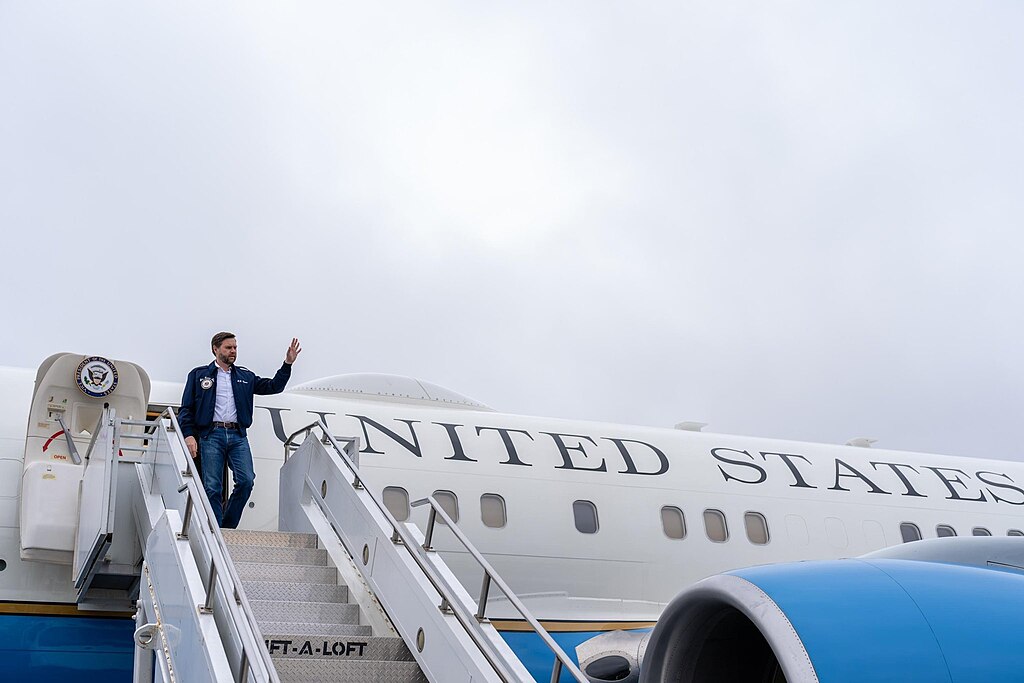
U.S. Vice President JD Vance said Thursday that the United States and Iran are making significant progress toward a potential agreement, although several important issues remain unresolved. Speaking to reporters, Vance noted that negotiations have not yet reached the final stage, but both sides appear to be moving closer to a deal that could ease tensions and address concerns surrounding Iran’s nuclear program.
According to Vance, discussions continue over key topics, including Iran’s stockpile of enriched uranium and the future of uranium enrichment activities. These issues remain among the most sensitive aspects of the ongoing negotiations. Despite the remaining challenges, the vice president expressed cautious optimism about the prospects for a successful outcome.
“We’re not there yet,” Vance said, emphasizing that negotiators are still working through specific language and policy details. He added that the United States and Iran are exchanging proposals and attempting to resolve a small number of sticking points before any formal agreement can be finalized.
Sources familiar with the matter told Reuters that the United States and Iran reached a preliminary understanding on Thursday to extend their existing ceasefire and remove restrictions on shipping through the strategically important Strait of Hormuz. The arrangement, however, remains subject to approval by U.S. President Donald Trump before it can take effect.
The Strait of Hormuz is one of the world’s most critical energy transit routes, making any agreement related to maritime security and shipping highly significant for global oil markets and international trade. The potential lifting of restrictions could help reduce geopolitical uncertainty and improve stability in the region.
Vance also highlighted Washington’s leverage in the negotiations, stating that the United States remains capable of significantly setting back Tehran’s nuclear program if necessary. Nevertheless, the administration continues to prioritize diplomatic efforts aimed at reaching a mutually acceptable solution.
While uncertainty remains over whether President Trump will ultimately sign the proposed memorandum of understanding, Vance indicated that current discussions are moving in a positive direction. “I can’t guarantee that we’re going to get there, but right now I feel pretty good about it,” he said, underscoring growing optimism surrounding the U.S.-Iran nuclear talks.







