


 North Korea Rejects Nuclear Test Warning, Calls Nuclear Status Irreversible
  The government is ‘doubling down’ on its social media ban. But bigger penalties for platforms aren’t enough
  Trump Bans CNN, MS NOW and Politico From White House
  DOJ Will Investigate AI-Related Crimes, Attorney General Blanche Says
  SK Biopharmaceuticals Secures Global Rights to Biohaven Epilepsy Drug Opakalim
  AstraZeneca Shares Sink After Wainua Trial Misses Key Heart Disease Goal
  Trump Administration Plans Faster FDA Reviews for Smoke-Free Nicotine Products
  U.S. Issues Cuba Health Alert as Illnesses Rise
  China Tightens Fentanyl Rules Ahead of Trump-Xi Summit
  South Korea, US Discuss Warship Building Cooperation
  Trump Signs Order to Cut Routine Childhood Vaccines
  GLP-1 Weight-Loss Drug Use Surges Among U.S. Children
  Synthetic data could ease people’s concerns about privacy breaches. But who gets to create it?
  Who should own the knowledge that underpins AI technology?
  US Backs Musk in Fight Against EU’s €120 Million X Fine
  US-Backed Pediatric HIV Treatment Drops After Foreign Aid Changes, Study Finds


 Add as a preferred source on Google
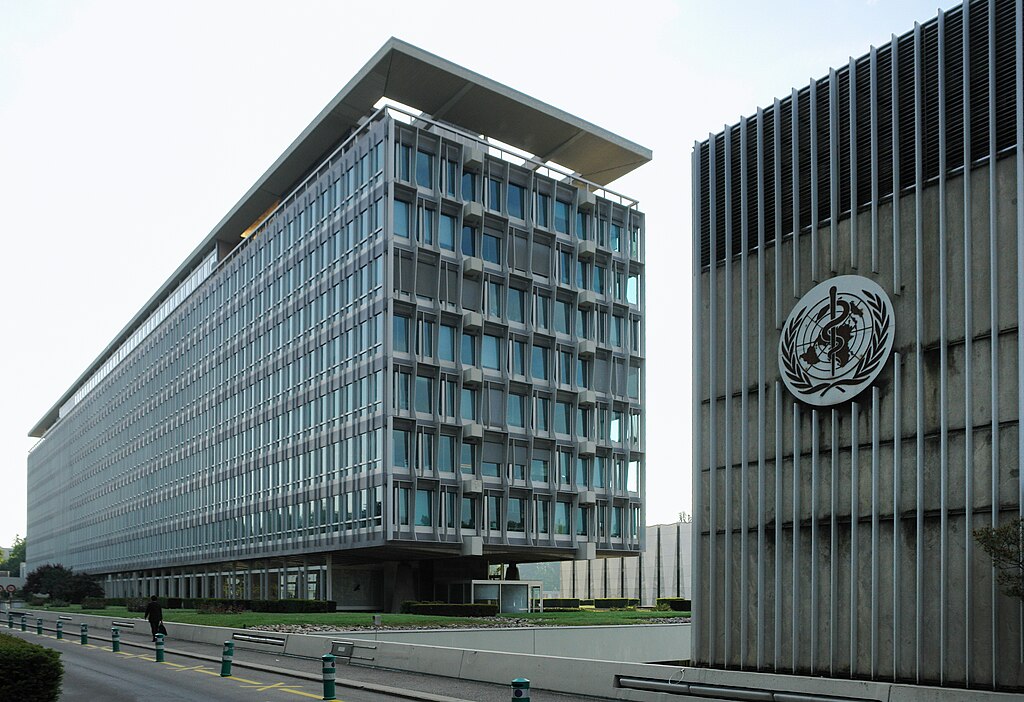
In a joint statement on Tuesday, U.S. Health and Human Services Secretary Robert F. Kennedy Jr. and Argentine Health Minister Mario Lugones announced their countries’ withdrawal from the World Health Organization (WHO), criticizing its handling of the COVID-19 pandemic. The two leaders cited the organization's "structural and operational shortcomings" and called for a new international health model centered on scientific integrity, national sovereignty, and transparency.
Kennedy, during his visit to Buenos Aires, met with Argentine President Javier Milei to discuss future health cooperation between the two nations and the development of what he called an “alternative international health system.” The meeting underscores a growing alliance between the U.S. and Argentina in rethinking global health governance.
The U.S. exit follows an executive order from President Donald Trump, issued early in his second term, directing the withdrawal from WHO within a year. Trump had previously criticized the agency for alleged political bias and disproportionate U.S. financial contributions, despite the country being its largest donor. Sources revealed that the administration was open to remaining in the WHO if significant reforms were implemented, including the appointment of a U.S. director-general.
Argentina had already confirmed its departure from the WHO back in February. Tuesday’s joint declaration signals a coordinated move to challenge the status quo in global health policy, with both nations advocating for a system less influenced by international politics and more focused on accountability and scientific leadership.
This unprecedented move could reshape international health dynamics, as two major countries chart a new course away from traditional institutions and toward sovereign-driven collaboration.







