


 U.S. Unseals Charges Against Five Alleged CJNG Leaders, Raises Reward for New Cartel Chief
  Luxshare Shares Rise as First-Half Profit Jumps 18%
  Capital One Says AML Review Led to Closure of Trump Organization Accounts
  SEC Sues Former Tricolor Executives Over $1.9 Billion Investor Fraud Scheme
  New Mexico Sues DOJ Over Unredacted Jeffrey Epstein Files Amid Ongoing Investigation
  Australia’s Big Four Banks Face Mortgage Slowdown as Valuations Draw Scrutiny
  US Weighs New Sanctions Against Brazil Supreme Court Justice Alexandre de Moraes
  Meta Ordered to Pay $567M Over Child Safety Violations in New Mexico
  Shein Hong Kong IPO to Raise $1.7 Billion at $26.5 Billion Valuation
  Woodside Drops $5 Billion Clean Energy Plan as Profit Rises 7%
  Gold Prices Hover Near Three-Month High as Oil, Treasury Yields Fall
  HP Stock Drops 9% Despite Q3 Earnings Beat and Raised 2026 Outlook
  Asian Stocks Slip Ahead of Nvidia Earnings and US Inflation Data
  Adidas, Puma Shares Fall as Dick’s Sporting Goods Cuts Outlook
  Warner Bros. Discovery Shares Rise as Newsom Pushes Settlement in $110 Billion Merger Fight
  Peru Court Frees Former President Ollanta Humala After Conviction Overturned


 Add as a preferred source on Google
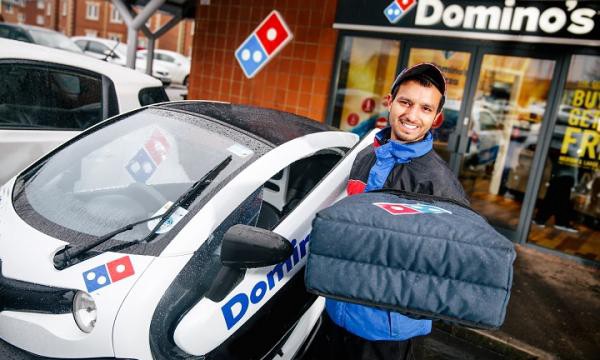
The US Supreme Court boosted Domino's Pizza Inc's bid to force delivery drivers to bring a California wage lawsuit in private arbitration rather than in court.
Business organizations have referred to arbitration as a quicker and more effective option for filing a lawsuit in court, but labor advocates claim the procedure skews in favor of businesses.
In 2020, three delivery drivers filed a lawsuit against Domino's in a state court in Santa Ana, California, alleging that the corporation had broken numerous wage rules. The case was later moved to federal court.
Domino's filed a motion to refer the disputes to arbitration, pointing to contracts the drivers had signed that prohibited them from filing a lawsuit in court. The motion was refused by a federal judge in Santa Ana, who ruled that the drivers weren't subject to arbitration because they were engaged in interstate commerce.
The 9th Circuit maintained the judge's ruling last year after concluding that the drivers played a crucial role in transporting goods from outside of California to their ultimate locations. The Supreme Court then heard an appeal from Domino's.
A lower court's decision to allow a group of drivers to file a class action lawsuit to recover work-related expenditures was overturned by the Supreme Court justices because the drivers' local deliveries were the last step in the movement of products over state lines.
The justices ordered the San Francisco-based 9th U.S. Circuit Court of Appeals to reevaluate the situation in light of the Supreme Court's unanimous decision in June that Southwest Airlines Co could not compel arbitration in a case involving overtime pay for baggage handlers because those individuals frequently load cargo onto interstate flights.
Transportation workers involved in interstate commerce are not covered by the Federal Arbitration Act, which enforces agreements that employees sign with businesses to arbitrate legal issues.







