


 European Stocks Fall as Bond Yields and Geopolitical Risks Weigh
  Dollar Falls as Oil Eases, Yen Jumps on Intervention Signals
  Wall Street Ends Flat as Oil, Treasury Yields and Fed Jitters Rattle Markets
  Trump, Xi Focus on Trade and AI at White House Summit
  Oil Prices Jump 3% as Houthi Attack Revives Supply Fears
  US Stock Futures Fall as Treasury Yields Surge Ahead of Trump-Xi Summit
  Japanese Bank Stocks Surge as Bond Yields Fuel Rate Hike Bets
  Fed Unveils Stablecoin Rules Under GENIUS Act
  US Comfortable With Canada Trade Standoff as Import Bans Loom
  Canadian Dollar Faces Pressure as Fed-BoC Policy Gap Widens
  Fed’s Hammack Says Bond Yield Surge Is Not Driven by Inflation Fears
  U.S. Dollar Hits Two-Month High as Oil, Treasury Yields Surge
  Australia Unemployment Hits Five-Year High Despite Strong Jobs Growth
  Oil Prices Fall on U.S.-Iran Hormuz Deal Hopes
  Dollar Holds Near Two-Month High as Yen Approaches 160
  RBI Uses $10 Billion Currency Swaps to Drain Excess Rupee Liquidity


 Add as a preferred source on Google
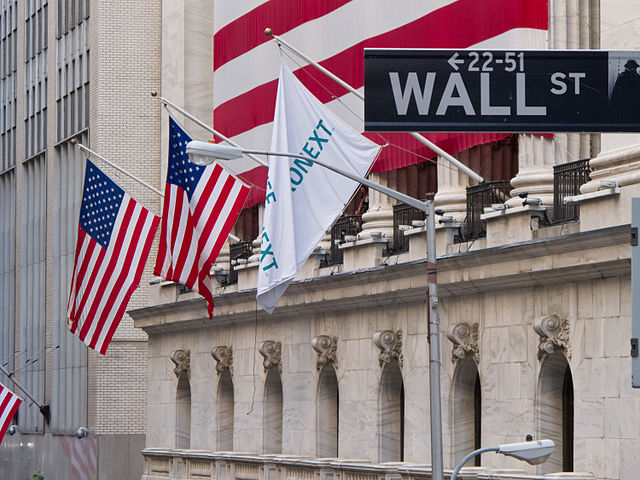
U.S. stocks closed higher on Friday after inflation data aligned with expectations, though all three major indexes recorded weekly declines. The S&P 500 and Nasdaq ended their three-week winning streaks, while the Dow Jones Industrial Average also slipped slightly for the week.
The Commerce Department’s personal consumption expenditures (PCE) index, the Federal Reserve’s preferred inflation measure, showed prices rose 0.3% in August and 2.7% year-over-year, matching forecasts. Personal income and consumer spending both exceeded estimates, signaling resilience in the economy. Investors are weighing these strong economic signals against expectations for further interest rate cuts following the Fed’s recent decision to lower rates for the first time since December.
Market analysts noted that investor positioning ahead of quarter-end contributed to volatility. Bruce Zaro of Granite Wealth Management described the moves as “typical quarter-end window dressing,” with further market swings expected as earnings season begins in mid-October.
Corporate earnings also drove sharp stock moves. Paccar jumped 5.2% after President Donald Trump announced fresh tariffs, including on heavy-duty trucks, while Eli Lilly gained 1.4% despite tariffs on branded pharmaceuticals. Electronic Arts soared 14.9% on reports it may go private. Conversely, Costco shares slid 2.9% following earnings results.
For the day, the Dow rose 0.65% to 46,247.29, the S&P 500 added 0.59% to 6,643.70, and the Nasdaq climbed 0.44% to 22,484.07. However, weekly losses stood at 0.2% for the Dow, 0.3% for the S&P 500, and 0.7% for the Nasdaq.
Investors also absorbed comments from Fed officials. Richmond Fed President Thomas Barkin expressed doubts about inflation forecasts given tariff impacts, while Vice Chair Michelle Bowman stressed the need for proactive action to support a weakening labor market. The upcoming September jobs report and the looming threat of a government shutdown are expected to add further uncertainty to markets.
Meanwhile, market breadth was positive, with advancing stocks outnumbering decliners on both the NYSE and Nasdaq. Trading volume reached nearly 17 billion shares, slightly below the recent 20-day average.







