


 Russian Envoy Dmitriev Heads to US for Ukraine Talks
  U.S. Treasury Yields Surge as 30-Year Hits 22-Year High
  Dollar Hits Two-Month High as Fed Rate Hike Bets Rise
  Mexico-US Trade Talks Delayed to October as Tariff Negotiations Continue
  Oil Prices Jump 3% as Houthi Attack Revives Supply Fears
  US, China Extend Trade Truce to Jan. 10 Ahead of Trump-Xi Summit
  Gold Prices Fall as Treasury Yields Rise on Fed Rate Hike Bets
  China’s ‘Lipstick King’ Says AI Won’t Replace Livestream Hosts
  Fed Unveils Stablecoin Rules Under GENIUS Act
  Asian Currencies Mixed as Dollar Holds Near Two-Month High
  Oil Prices Surge as U.S.-Iran Diplomacy Hopes Fade
  South Korea, US Discuss Warship Building Cooperation
  Oil Prices Ease as Iran Tensions Clash With Diplomacy Hopes
  Wall Street Falls as Treasury Yields Surge, Oil Rebounds on Iran Tensions
  Asian Stocks Fall as Bond Yields Surge Ahead of Trump-Xi Summit
  Australia Unemployment Hits Five-Year High Despite Strong Jobs Growth


 Add as a preferred source on Google
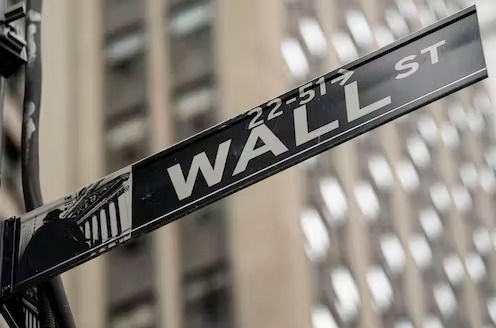
U.S. stock futures edged lower late Tuesday as investors remained cautious ahead of the Federal Reserve’s closely watched interest rate decision and a wave of earnings from major technology companies, while renewed geopolitical tensions in the Middle East added to market uncertainty.
As of 9:52 p.m. ET, S&P 500 Futures slipped 0.1% to 7,458.25, Nasdaq 100 Futures declined 0.4% to 27,815.50, and Dow Jones Futures fell 0.1% to 52,909. The cautious tone followed a mixed Wall Street session, where the Dow Jones Industrial Average gained 1% and the S&P 500 advanced 0.2%, supported by strength in consumer and healthcare stocks. The Nasdaq Composite, however, dipped 0.2% as semiconductor shares extended their recent decline.
Technology stocks remain under pressure as investors reassess lofty artificial intelligence valuations and growing competition in the memory chip industry. Market participants are closely monitoring whether the AI-driven rally can continue amid increasing concerns over pricing and profitability.
The Federal Reserve concludes its two-day policy meeting on Wednesday, with investors awaiting both the interest rate announcement and comments from Fed Chair Kevin Warsh. According to the CME FedWatch Tool, markets currently assign a roughly 69% probability that the central bank will leave rates unchanged, while a 31% chance remains for a surprise 25-basis-point rate hike. Traders will look for guidance on the Fed’s outlook for inflation and the potential path of monetary policy through the remainder of the year.
Corporate earnings are also expected to drive market sentiment. Microsoft and Meta Platforms are scheduled to release quarterly results after Wednesday’s closing bell, while Apple and Amazon will report later this week. Investors will focus on updates related to artificial intelligence investments, cloud computing demand, and corporate technology spending.
Geopolitical risks also remained in focus after Iran launched ballistic missiles toward U.S. forces in the Middle East. U.S. Central Command said all missiles were intercepted, but the incident raised concerns that tensions between Washington and Tehran could escalate again. The renewed uncertainty helped push oil prices higher during Asian trading, reinforcing investor caution ahead of several major market catalysts.







