


 US Stock Futures Fall as Treasury Yields Surge Ahead of Trump-Xi Summit
  Gold Holds Near $4,275 as Rising Treasury Yields Fuel Fed Rate Hike Bets
  Netanyahu Takes Aim at Mamdani as Israel Election Nears
  Soybean Futures Slip as Traders Await Trump-Xi Trade Signals
  Oil Prices Jump 3% as Houthi Attack Revives Supply Fears
  US Senate Rejects Iran War Powers Resolution in 50-49 Vote
  South Korea, US Discuss Warship Building Cooperation
  Russian Missile and Drone Attack on Kyiv Kills Two, Damages Maternity Hospital
  Netanyahu’s Brief US Trip Highlights Strains With Trump
  Mexico-US Trade Talks Delayed to October as Tariff Negotiations Continue
  US 10-Year Treasury Yield at 6% Emerges as New Market Risk Threshold
  Japan Private-Sector Growth Slows as Domestic Demand Weakens
  U.S. 10-Year Treasury Yield Hits 2007 High as Fed Rate Hike Bets Rise
  US Backs Musk in Fight Against EU’s €120 Million X Fine
  Fed Unveils Stablecoin Rules Under GENIUS Act
  Xi Calls for Deeper U.S.-China AI Cooperation in Trump Talks
  Pezeshkian Says US Must Choose When Iran War Ends


 Add as a preferred source on Google
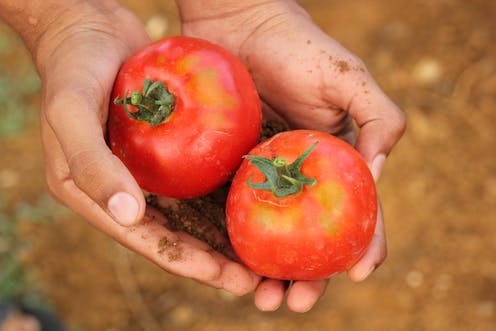
The U.S. Commerce Department announced it will impose a 17.09% antidumping duty on fresh tomatoes imported from Mexico, ending a 2019 suspension agreement aimed at regulating tomato trade. The move follows the department’s claim that Mexican tomatoes have been sold at unfairly low prices, undercutting U.S. farmers.
The original agreement, established in 1996 and last renewed six years ago, helped avert a broader trade dispute by setting price floors and requiring border inspections. However, U.S. growers argued that loopholes allowed continued dumping. Commerce Secretary Howard Lutnick said American farmers have "been crushed by unfair trade practices," particularly in the $3 billion tomato trade.
Mexico, which supplies around 4.3 billion pounds of the 6.5 billion pounds of fresh tomatoes consumed annually in the U.S., had hoped to renew the agreement. The country’s major agricultural associations emphasized that no other nation can currently match their year-round supply and long-standing presence in the U.S. market.
Industry analysts and Democratic lawmakers warned that the tariffs will likely lead to higher prices for consumers. Representative Sylvia Garcia stated, “Salsa will be pricier, shelves emptier, and groceries more expensive.” The decision comes amid broader trade tensions, as President Donald Trump recently threatened a 30% tariff on all Mexican imports starting August 1.
The Florida Tomato Exchange, representing American growers, praised the Commerce Department’s decision, calling the previous deal “failed” and welcoming renewed protections. The group emphasized the need for fair competition and stronger safeguards against underpriced imports.
With rising trade tensions and potential price hikes, the future of North America’s tomato supply chain remains uncertain. As negotiations stall, consumers and retailers alike brace for the economic impact of stricter tomato import duties.







