


 US Bans Canadian Alcohol, Motorcycles as Trade War Escalates
  US Northeast Airports Resume Operations After Telecom Outage Disrupts Thousands of Flights
  Judge Blocks Trump Rule Limiting Foreign Student Visas
  China Tightens Fentanyl Rules Ahead of Trump-Xi Summit
  Abbas Reaffirms November 28 Palestinian Elections
  Trump Scales Back Endangered Species Act Protections
  Trump Administration Plans Faster FDA Reviews for Smoke-Free Nicotine Products
  Russian Missile and Drone Attack on Kyiv Kills Two, Damages Maternity Hospital
  US Immigration Arrests Surge as Deportations Lag Behind
  Judge Orders Trump to Restore White House Access for CNN, MS NOW and Politico
  North Korea Warns South Korea Over US-Led Defense Role
  Trump Administration Removes Confederate Memorial Criticism From Arlington Website
  US Backs Musk in Fight Against EU’s €120 Million X Fine
  North Korea Rejects Nuclear Test Warning, Calls Nuclear Status Irreversible
  What ‘Taiwan Independence’ Means as Xi Presses Trump on US Policy
  White House Bars CNN, MS NOW and Politico Reporters


 Add as a preferred source on Google
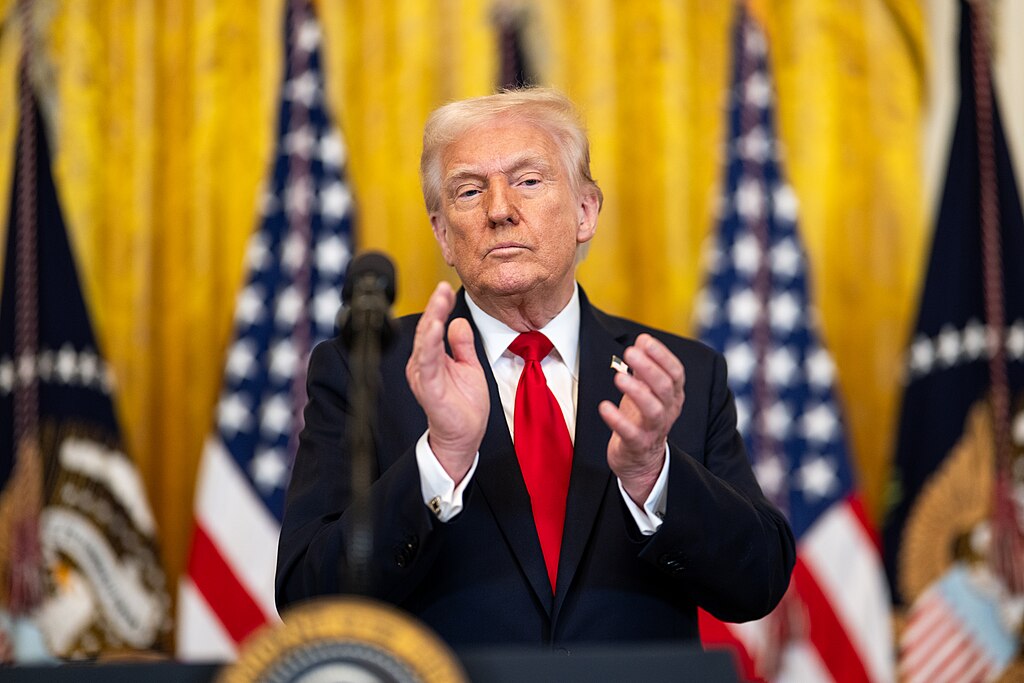
The Trump administration has officially introduced the “Trump Gold Card,” a premium visa program that offers non-U.S. citizens an expedited pathway to live and work in the United States—at a steep cost. Launched through Trumpcard.gov, the initiative invites applicants to pay a $15,000 processing fee to the Department of Homeland Security before undergoing required background checks. Once approved, participants must contribute an additional $1 million “gift” or “contribution” to secure the visa, which the administration describes as a stronger, more prestigious alternative to the traditional Green Card.
President Donald Trump touted the program as a superior immigration option, emphasizing that recipients must be “great people” and highlighting its enhanced pathway to U.S. residency. Commerce Secretary Howard Lutnick reported that roughly 10,000 individuals pre-registered, predicting that the program could eventually generate billions of dollars in revenue for the U.S. Treasury. According to Lutnick, the initiative aims to attract high-earning individuals who can positively impact the American economy, contrasting them with what he described as “average” Green Card holders—though he provided no evidence to support his claims.
This visa model mirrors wealth-based immigration programs used in other countries and aligns with Trump’s broader immigration strategy, which has simultaneously tightened restrictions on both legal and illegal immigration. The Gold Card program, however, serves as a revenue-generating counterbalance, echoing the administration’s view that high-value applicants can boost economic growth similar to how Trump claims tariffs have benefited the U.S.
Additionally, a corporate Gold Card option enables companies to fast-track employee visas for a $2 million contribution per worker, providing businesses a costly but expedited immigration route.
This premium visa program underscores the administration’s continued focus on monetizing immigration pathways while reshaping the nation’s broader immigration policies.







