


 Russian Attacks on Dnipro, Zaporizhzhia, and Kharkiv Kill 10 as Ukraine Vows Response
  Trump Threatens 100% Tariffs on Countries Imposing Digital Services Taxes on U.S. Tech Firms
  Maria Corina Machado Vows Return to Venezuela After Earthquakes Despite Obstacles
  Trump Questions Housing Bill as He Prioritizes SAVE America Act
  Despite its best efforts, Iran won’t be able to toll the Strait of Hormuz. Here’s why
  Trump Signs Memorandum Backing Americans’ Right to Repair Their Own Vehicles
  Australia Plans Higher Fines for Social Media Firms Failing to Block Underage Users
  Iran Launches Drone Attack on Bahrain After U.S. Strikes, Strait of Hormuz Tensions Escalate
  China Expands Export Controls, Adds 20 Japanese Companies to Restricted List
  Serbia President Aleksandar Vucic to Resign, Calls Early Elections After Months of Protests
  Javier Milei Cabinet Chief Manuel Adorni Resigns Amid Spending Scandal Investigation
  Taiwan Coast Guard Officer Finds Strength in Faith as China Increases Pressure in Taiwan Strait
  Sheinbaum Says No One Is Above the Law After Abuse Video of Ex-Pemex Chief Emerges
  Ukraine Strikes Russian Titan-Barrikady Plant With Long-Range FP-5 Flamingo Missile
  Trump Announces September Overhaul of Washington’s East Potomac Golf Links
  Russia Intensifies Assault on Kostiantynivka as Ukraine’s Donetsk Defense Faces Mounting Pressure
  US Strikes Iran Again After Strait of Hormuz Tanker Attack Escalates Ceasefire Tensions


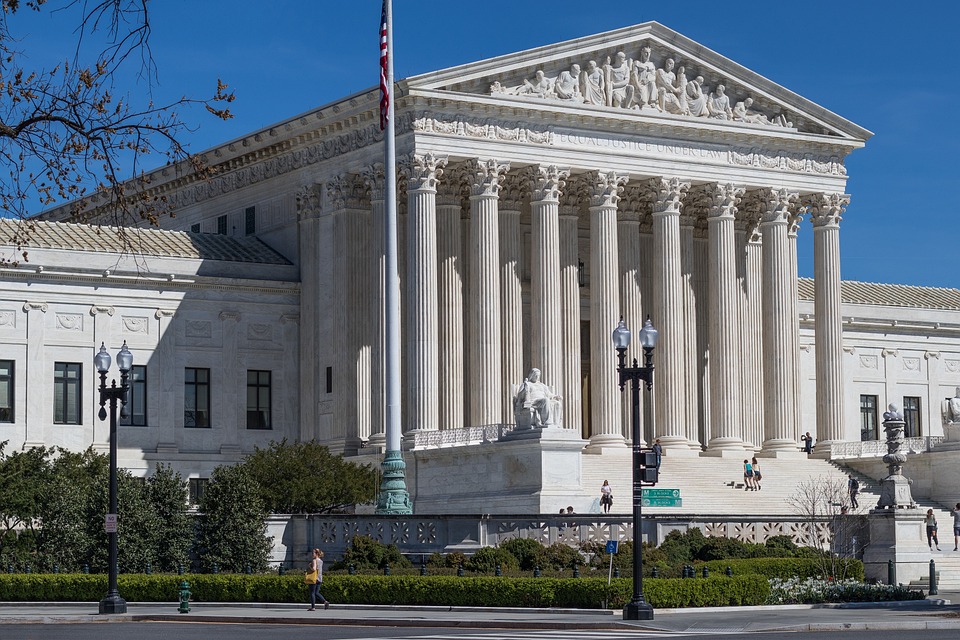
The United States Supreme Court heard arguments to a challenge to a law pertaining to the adoption or foster care placements of Native American children. Following three hours of arguments from both sides, the justices appeared divided.
The Supreme Court Justices on Wednesday appeared divided over the legal challenge to the legality of the requirements giving priority to the adoption and foster care placements of Native Americans and tribal members. A group of non-Native Americans and the Republican officials of Texas challenged the requirements when the lower courts declared parts of the law unconstitutional. The Biden administration and several Native American tribes are defending the law.
The Conservative-majority justices did not appear willing to entirely strike down the Indian Child Welfare Act of 1978. However, their questions underlined divisions on whether Congress overstepped its authority in passing the legislation. The justices also appeared to be divided over whether the provisions in the law racially discriminate against non-Native Americans, as the plaintiffs have argued.
The 1978 Indian Child Welfare Act would give “preference” to members of a child’s extended family, other tribe members, or “other Indian families” when it comes to adoptions. The law aimed to reinforce tribal connections by setting federal standards for removal or placement in foster care or adoption.
Some of the court’s Conservative justices have expressed concerns about the third preference of “other Indian families.” However, the three Liberal justices and Conservative justice Neil Gorsuch were in favor of the law, saying that Congress saw the legislation as necessary to protect sovereign tribes from extinction.
The day before, the justices signaled that they are unlikely to rule against preventing people who depend on federal assistance programs such as Medicaid from suing when the states violate their rights even as the high court considers barring cases surrounding nursing home care. The justices heard an appeal from the Health and Hospital Corp of Marion County from Indiana.
The plaintiff appealed the ruling of a lower court in favor of the family of Gorgi Talevski, a nursing home resident who is diagnosed with dementia, to pursue a lawsuit against the facility, citing that Talevski’s rights were violated.







