


 Trump Says ‘Freedom’ Is Coming to Cuba
  Trump to Press Xi on Release of US Nuclear Expert Held in China
  Taiwan Vows to Advance US Arms Sales Ahead of Trump-Xi Meeting
  Trump Scales Back Endangered Species Act Protections
  Trump Says U.S.-Iran Peace Deal Near After UN Talks
  Kremlin Says No Grounds Yet for Ukraine Peace Talks
  Zelenskiy Meets CIA Chief John Ratcliffe at Ireland’s Shannon Airport
  Macron, Trump Discuss Ukraine-Russia Energy Strike Moratorium
  Iran Vows ‘Crushing’ Response as US Talks Continue
  Lula and Flavio Bolsonaro Tied in Brazil Runoff Poll
  US, Japan and South Korea Back Taiwan Ahead of Trump-Xi Summit
  Trump Board of Peace Unveils $2.45 Billion Gaza Recovery Plan
  Vietnam, US Trade Deal Could Be Signed Soon, To Lam Says
  Trump Meets Venezuela’s Delcy Rodriguez at UN Assembly
  US Plans Two New Military Bases in Greenland Under Arctic Deal
  Paramount-Warner Bros $110 Billion Deal Draws Antitrust Backlash
  UK, Mauritius Seek Diego Garcia Base Deal


 Add as a preferred source on Google
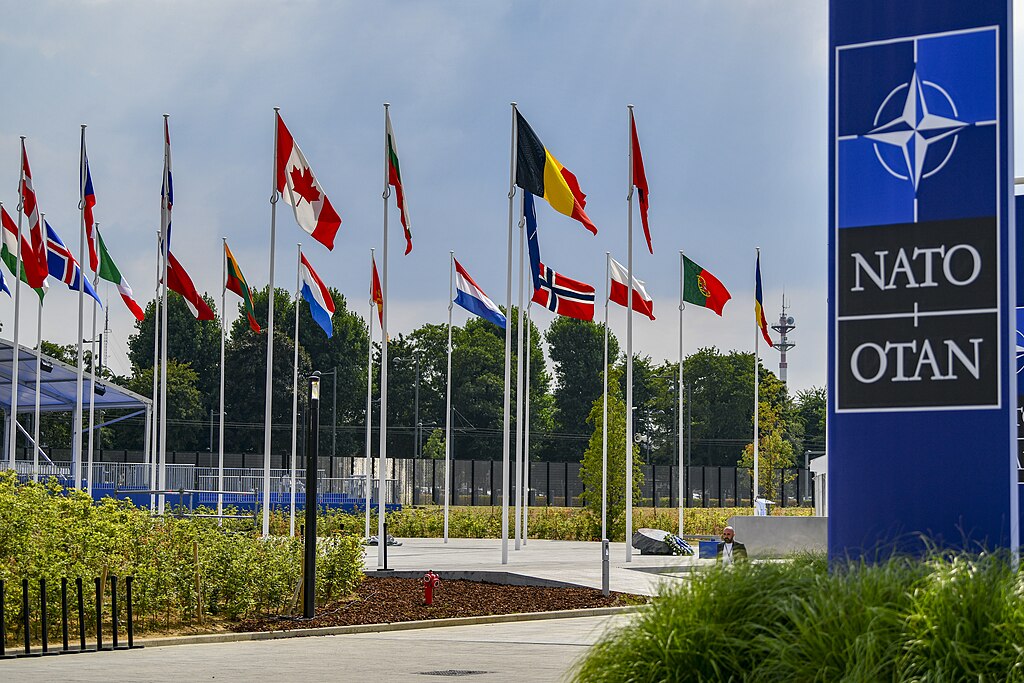
The United States is reportedly preparing to reduce the number of aircraft, warships, and other military assets available for NATO operations in Europe, a move that could significantly impact the alliance’s defense capabilities, according to a report by The New York Times citing two senior European officials.
The planned reduction is expected to affect NATO’s ability to carry out long-range strike missions, intelligence gathering, and surveillance operations across Europe. The report indicates that several key U.S. military assets currently supporting NATO could be reassigned to other regions as the Trump administration reassesses its global defense commitments.
Among the assets reportedly under consideration for redeployment are a missile-launching submarine, an aircraft carrier, multiple warships, and dozens of fighter jets that support carrier strike group operations. The report also noted that one of the two U.S. bomber groups assigned to Europe’s defense mission could be relocated, further reducing American military presence on the continent.
The potential changes come as President Donald Trump continues to pressure European NATO members to increase defense spending and strengthen their own military capabilities. Trump and his administration have repeatedly argued that many European allies rely too heavily on U.S. military protection while failing to invest sufficiently in their national defense budgets.
Tensions over burden-sharing within NATO have been a recurring issue during Trump’s presidency. The president has frequently criticized alliance members for not meeting defense spending targets and has questioned the long-term sustainability of the current security arrangement. Trump has also reportedly threatened to reconsider the United States’ commitment to NATO, citing what he views as inadequate support from allies during recent geopolitical crises, including the U.S.-Israel conflict involving Iran.
If implemented, the proposed force reductions could mark a significant shift in U.S. military strategy in Europe and raise concerns among NATO members about the alliance’s readiness and deterrence capabilities at a time of growing global security challenges.







