


 Abbas Reaffirms November 28 Palestinian Elections
  North Korea Warns South Korea Over US-Led Defense Role
  Netanyahu’s Brief US Trip Highlights Strains With Trump
  Russian Missile and Drone Attack on Kyiv Kills Two, Damages Maternity Hospital
  US Senate Rejects Iran War Powers Resolution in 50-49 Vote
  Judge Orders Trump to Restore White House Access for CNN, MS NOW and Politico
  North Korea Rejects Nuclear Test Warning, Calls Nuclear Status Irreversible
  Kremlin Says No Decision Yet on Putin-Trump December Summit
  France Defends Netanyahu Airspace Clearance Despite ICC Warrant
  Xi Calls for Deeper U.S.-China AI Cooperation in Trump Talks
  Ghana Says Western Support Growing for Slave Trade Reparations
  Netanyahu Defends Israel at UN as Delegates Stage Walkout
  Najib Razak Seeks Stay of 15-Year 1MDB Prison Sentence
  Netanyahu Takes Aim at Mamdani as Israel Election Nears
  US Backs Musk in Fight Against EU’s €120 Million X Fine
  Yemen Violence Displaces 130,000 as Civilian Toll Rises
  Taiwan Thanks US for Support Ahead of Trump-Xi Summit


 Add as a preferred source on Google
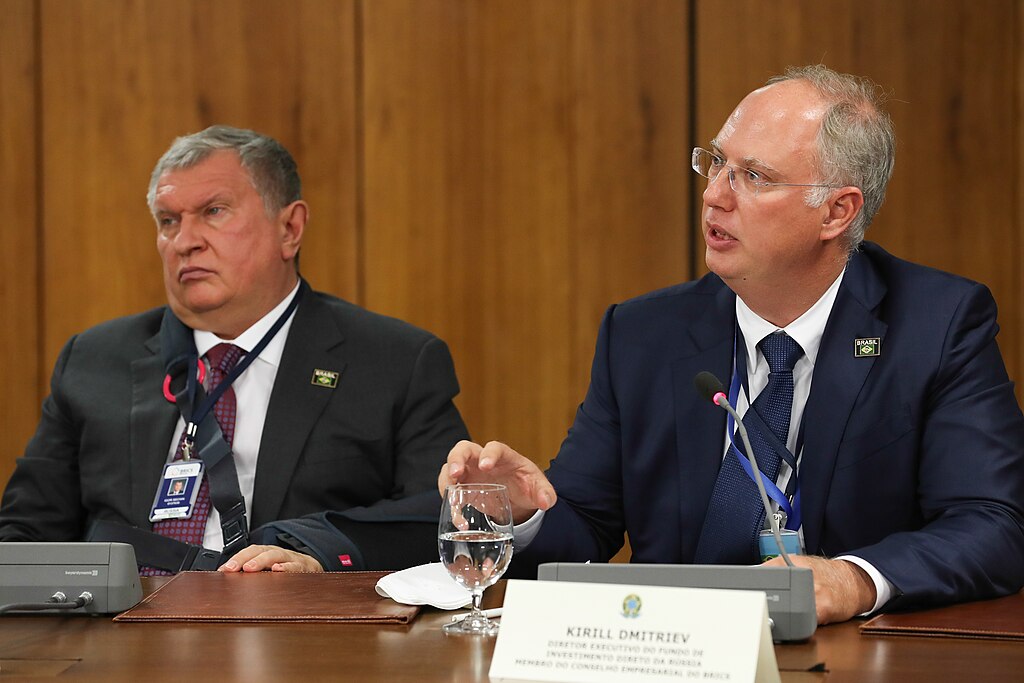
U.S. officials and lawmakers are raising concerns over a private meeting in Miami last month involving representatives of the Trump administration and Kirill Dmitriev, a sanctioned Russian envoy linked to President Vladimir Putin. According to multiple sources, Dmitriev met with special envoy Steve Witkoff and Donald Trump’s son-in-law Jared Kushner to help draft a 28-point plan aimed at ending the war in Ukraine.
The late-October meeting has triggered confusion and unease across Washington and European capitals. Dmitriev, who heads the Russian Direct Investment Fund and has been under U.S. sanctions since Russia’s 2022 invasion of Ukraine, reportedly received a special waiver to enter the United States. His involvement has drawn scrutiny from intelligence officials and raised fears that Moscow’s interests heavily influenced the proposal.
The peace plan, first reported by Axios, calls for major concessions from Ukraine—including relinquishing territory in the east, recognizing Crimea as Russian, and pledging not to join NATO. Ukrainian President Volodymyr Zelenskiy has firmly rejected the idea of ceding land, emphasizing that Ukraine will not compromise its national interests. Despite this, Trump has said he expects Zelenskiy to sign off on the plan by Thanksgiving, and Reuters reported that U.S. officials warned Ukraine that military aid could be affected if it refuses.
Many senior State Department and National Security Council officials were not briefed on the back-channel negotiations. Some lawmakers, including Senate Armed Services Committee Chair Roger Wicker, criticized the proposal as one-sided and unlikely to bring lasting peace. Internally, concerns have also surfaced over Dmitriev’s long history of cultivating ties with U.S. political figures, including previous contacts with Erik Prince and Jared Kushner.
The Miami visit also featured a separate meeting between Dmitriev and Representative Anna Luna, where discussions reportedly focused on boosting U.S.-Russia trade relations. As the controversy grows, officials on Capitol Hill and within the administration remain divided over the legitimacy and implications of the unofficial peace effort.







