


 Pezeshkian Says US Must Choose When Iran War Ends
  Russian Missile and Drone Attack on Kyiv Kills Two, Damages Maternity Hospital
  North Korea Warns South Korea Over US-Led Defense Role
  Sudan Rejects US Legitimacy Remarks, Defends Sovereignty
  Europe Warns Russia Is Escalating Hybrid Attacks Across NATO
  Judge Orders Trump to Restore White House Access for CNN, MS NOW and Politico
  US, China Extend Trade Truce to Jan. 10 Ahead of Trump-Xi Summit
  US Backs Musk in Fight Against EU’s €120 Million X Fine
  Yemen Violence Displaces 130,000 as Civilian Toll Rises
  Ghana Says Western Support Growing for Slave Trade Reparations
  North Korea Rejects Nuclear Test Warning, Calls Nuclear Status Irreversible
  US Invites Putin to Miami G20, Opening Door to Trump Summit
  EU Defence Build-Up Too Slow for 2030 Russia Readiness Goal
  Taiwan Thanks US for Support Ahead of Trump-Xi Summit
  South Korea, US Discuss Warship Building Cooperation
  Gaza Faces Evacuation Crisis as War-Damaged Buildings Risk Collapse
  Mexico-US Trade Talks Delayed to October as Tariff Negotiations Continue


 Add as a preferred source on Google
Japanese lawmakers are increasingly worried that escalating U.S. military operations against Iran could weaken Washington’s security presence in the Indo-Pacific, potentially affecting regional stability and the balance of power with China. According to officials familiar with a recent closed-door meeting in Tokyo, policymakers questioned government bureaucrats about evacuation procedures, energy security, and the legal basis of U.S. military actions. However, the central concern was whether the United States might redirect critical military assets away from Asia to support operations in the Middle East.
The issue is particularly significant for Japan and South Korea, which host major U.S. military bases designed to counter China’s expanding military capabilities and deter nuclear-armed North Korea. Taiwan, which faces increasing pressure from Beijing and relies heavily on U.S. defense support, is also closely monitoring developments. Chen Kuan-ting, a Taiwanese ruling party lawmaker serving on the parliament’s foreign affairs and defense committee, said Taipei hopes the U.S. operation will be “fast and limited” so military resources can quickly return to the Indo-Pacific region.
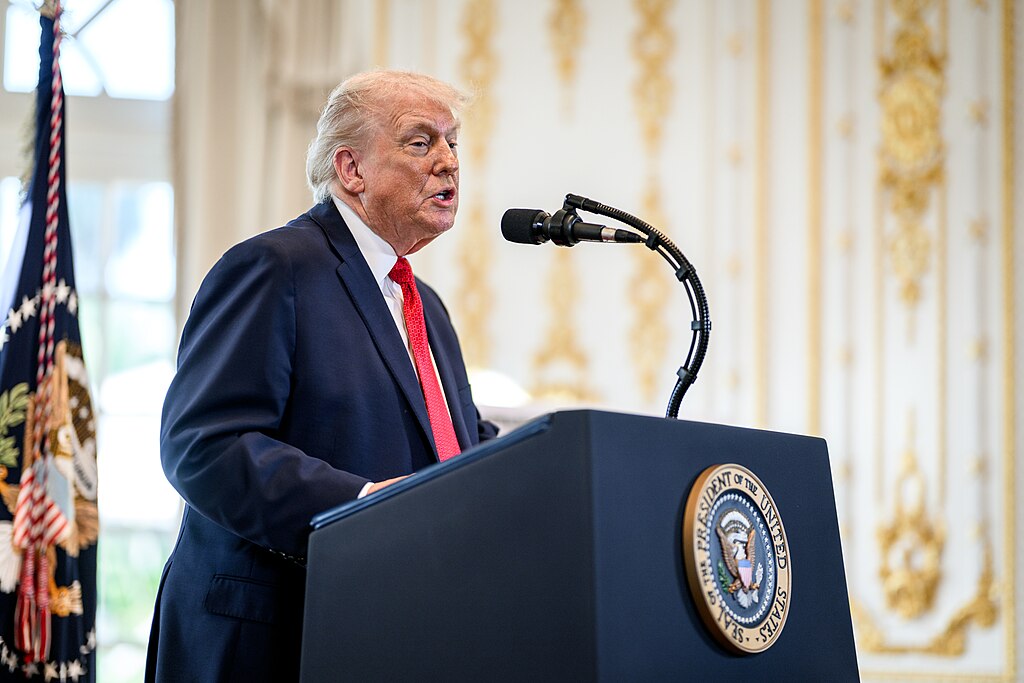
U.S. President Donald Trump has indicated that operations in the Middle East could last four to five weeks, although analysts warn the conflict could continue much longer. Trump is expected to meet Chinese President Xi Jinping later in March, though Beijing has yet to confirm the visit. Meanwhile, China’s foreign ministry reiterated that Taiwan is an internal Chinese matter and opposed any use of force that threatens other nations’ sovereignty.
Military experts note that the U.S. Navy is already under strain. A recent report from the Center for Strategic and International Studies estimated that around 40% of operational U.S. naval ships are currently positioned near the Middle East. These include the aircraft carrier USS Abraham Lincoln and several missile destroyers that normally operate in the Pacific. The only carrier currently assigned to Asia, the USS George Washington, is undergoing maintenance in Japan.
Analysts warn that if the conflict with Iran drags on, the United States may have to shift additional naval forces and munitions from the Indo-Pacific to the Middle East. Such a move could reduce deterrence against China, particularly regarding Taiwan. U.S. officials also acknowledge that the ongoing conflict is rapidly depleting munitions stockpiles, prompting the Pentagon to urge defense manufacturers to increase production, a process that could take years.
Japan is already experiencing delays in deliveries of Tomahawk cruise missiles ordered from the United States, and further disruptions could occur if American defense resources are stretched. Some experts argue that Trump’s aggressive foreign policy moves—such as strikes targeting Venezuela’s leadership and joint operations with Israel against Iran—could be part of a broader strategy to weaken China’s allies and shift long-term focus toward containing Beijing.
Still, regional observers warn that prolonged U.S. involvement in the Middle East could ultimately benefit China. Past examples show Beijing taking advantage of American strategic distractions, including expanding its military presence in the South China Sea while the U.S. focused on wars in the Middle East and Afghanistan. For now, Asian allies remain cautious, closely watching whether Washington can maintain its Indo-Pacific security commitments while managing growing tensions elsewhere in the world.







