


 Kremlin Says No Decision Yet on Putin-Trump December Summit
  US, China Extend Trade Truce to Jan. 10 Ahead of Trump-Xi Summit
  US Backs Musk in Fight Against EU’s €120 Million X Fine
  North Korea Warns South Korea Over US-Led Defense Role
  Abbas Reaffirms November 28 Palestinian Elections
  Trump, Xi Focus on Trade and AI at White House Summit
  US Invites Putin to Miami G20, Opening Door to Trump Summit
  France Defends Netanyahu Airspace Clearance Despite ICC Warrant
  Netanyahu Defends Israel at UN as Delegates Stage Walkout
  US Senate Rejects Iran War Powers Resolution in 50-49 Vote
  Pezeshkian Says US Must Choose When Iran War Ends
  Yemen Violence Displaces 130,000 as Civilian Toll Rises
  Ghana Says Western Support Growing for Slave Trade Reparations
  Gaza Faces Evacuation Crisis as War-Damaged Buildings Risk Collapse
  South Korea, US Discuss Warship Building Cooperation
  NATO Boosts Intelligence Sharing Amid Russia Hybrid Threats
  US Officials Split Over Response to Israeli West Bank Settlements


 Add as a preferred source on Google
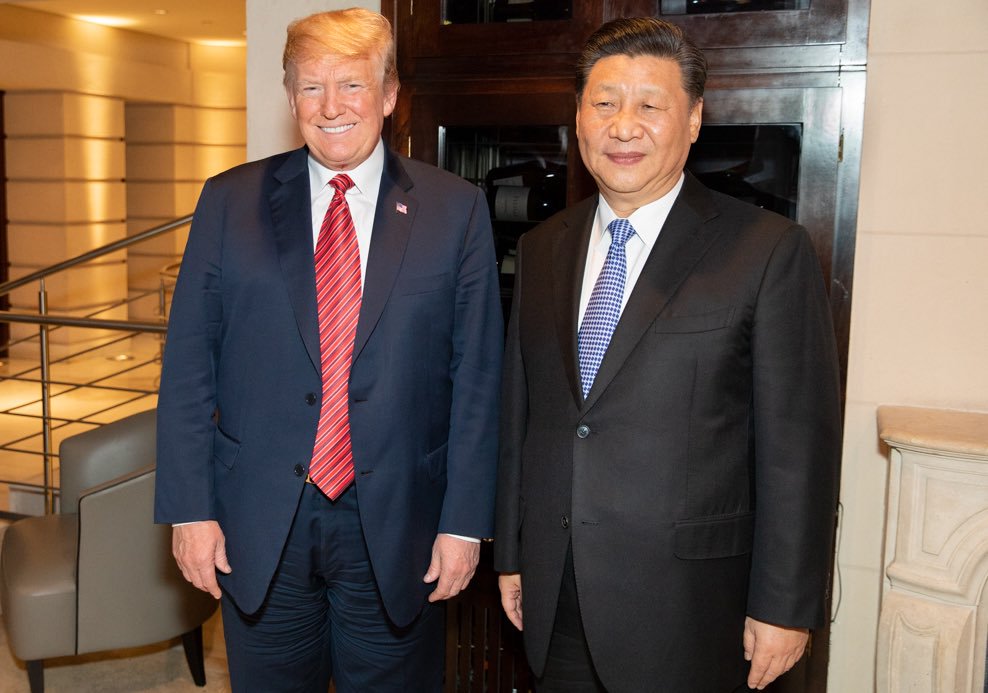
The recent U.S. military campaign against Iran has reshaped global geopolitics and placed Chinese President Xi Jinping in a difficult position ahead of a potential summit with U.S. President Donald Trump. Trump is expected to travel to Beijing at the end of March, following major U.S. actions that included the capture of Venezuelan President Nicolas Maduro in January and a joint U.S.-Israeli air operation that killed Iran’s Supreme Leader Ayatollah Ali Khamenei. Both Iran and Venezuela have been significant oil suppliers to China, making these developments especially sensitive for Beijing.
While the Trump administration has said the proposed March 31 to April 2 meeting will focus primarily on trade, uncertainty surrounds whether the summit will proceed. Beijing has not formally confirmed the dates. Just weeks ago, Trump appeared politically weakened after the U.S. Supreme Court invalidated several of his tariffs. However, the large-scale military operation against Iran has shifted the dynamic, potentially putting Xi on the defensive.
China has condemned the U.S.-led strikes as “unacceptable” and called for restraint, yet its response has remained measured. Analysts suggest this reflects Beijing’s limited capacity to influence U.S. military operations and the pragmatic nature of its diplomatic ties with countries like Iran.
The stakes for China are significant. As the world’s largest importer of Iranian oil, China sourced 13.4% of its seaborne oil imports from Iran last year. Any disruption, particularly in the Strait of Hormuz, could tighten global energy supplies and drive up oil prices, increasing pressure on China’s manufacturing-driven economy.
At the same time, the U.S. strikes highlight Washington’s ability to project military power globally. While U.S. officials do not expect direct Chinese military support for Iran, concerns remain that prolonged Middle East involvement could affect U.S. deterrence capabilities in the Indo-Pacific, especially regarding Taiwan.
For now, Beijing appears likely to avoid direct confrontation, instead positioning itself diplomatically while monitoring how extended U.S. involvement in the Middle East may reshape global energy markets and strategic balances.







